What Is Proper Treadmill Deck Thickness?
Treadmill deck thickness determines structural stability and long-term joint safety. Evaluating precise millimeter dimensions prevents premature mechanical failure during intensive daily workouts.


Proper treadmill deck thickness generally ranges from one inch for commercial units down to three-quarters of an inch for residential models. Always prioritize robust multi-ply composite boards for superior durability.
Looking for matching picks? See our Best Treadmill: Top Home Cardio & Under-Desk Picks (2026).
Practical Quick-Reference Table
| Scenario / Metric | Recommended Target | Why It Matters |
|---|---|---|
| Walking Pads | 0.5 Inches | Maintains low step-up height and portability. |
| Residential Jogging | 0.75 Inches | Balances lightweight framing with structural support. |
| Commercial Running | 1.0 Inch | Resists sagging under high-speed training. |
| Phenolic Coating | High-Pressure Laminate | Minimizes belt friction and heat buildup. |
| User Weight Limit | Proportional to Thickness | Prevents permanent bending and micro-fissures. |
| Lubrication Interval | 100% Silicone | Protects deck surface and motor longevity. |
Understanding Treadmill Deck Engineering and Core Materials
Modern treadmill decks rely on specialized medium-density fiberboard or high-density particle board cores, featuring considerations explored in our treadmill deck vs running track impact analysis. These engineered woods provide essential structural rigidity.
Manufacturers reinforce these wooden cores with specialized phenolic resin layers. This chemical treatment significantly reduces friction between the running belt and the underlying wooden platform surface.
Selecting the correct core material prevents warping under heavy humidity and thermal stress. Poorly engineered composite boards often delaminate rapidly during prolonged high-speed running sessions.
Structural engineers test these materials extensively to ensure they meet strict deflection criteria. Maintaining proper stiffness without sacrificing all flexibility is critical for optimal biomechanical performance.
- High-density fiberboard offers superior load-bearing capacity compared to standard residential wood products while maintaining long-term structural integrity under heavy daily stress.
- Advanced phenolic resin coatings reduce internal friction significantly and prevent moisture absorption across humid garage workout environments throughout all operating seasons.
- Engineered composite cores must undergo rigorous deflection testing to guarantee consistent performance during heavy running strides by diverse users.
- Thermal expansion properties dictate how well the wooden platform handles friction-induced heat generated during extended workout routines every day.
Core Material Variations
Industrial-grade medium-density fiberboard dominates commercial fitness equipment design because of its uniform density. This uniformity ensures predictable load distribution across the entire running surface.
Residential machines sometimes utilize lighter particle board to reduce overall shipping weight. However, this lighter material compromises longevity during intensive training programs.
- Commercial fitness facilities demand medium-density fiberboard cores for maximum durability under continuous daily operational stress loads.
Standard Thickness Measurements Across Walking Pads and Running Units
Compact walking pads typically feature thinner decks measuring around one-half inch to conserve vertical space. As detailed in our walking pad vs treadmill equipment verdict, these slim profiles suit low-impact walking speeds.
Standard residential running treadmills usually incorporate decks measuring three-quarters of an inch in thickness. This dimension balances lightweight frame designs with adequate structural support for jogging.
Heavy-duty commercial units step up to a full one-inch thickness to handle relentless high-speed running. Such robust platforms resist sagging and maintain calibration over thousands of training miles.
Choosing the right profile depends entirely on your intended user weight and primary workout intensity. Ignoring these baseline dimensional standards often leads to premature deck cracking and failure.
- Compact walking pads utilize half-inch decks to maintain ultra-low step-up heights for safe home office use throughout the day.
- Standard residential treadmills require three-quarters of an inch thickness to properly support moderate running and jogging routines safely.
- Heavy commercial-grade exercise machines demand full one-inch platforms to withstand continuous pounding from heavy runners without experiencing structural deflection issues.
- Thinner platforms save manufacturing and shipping costs significantly but tend to wear out much faster under intense athletic training programs.
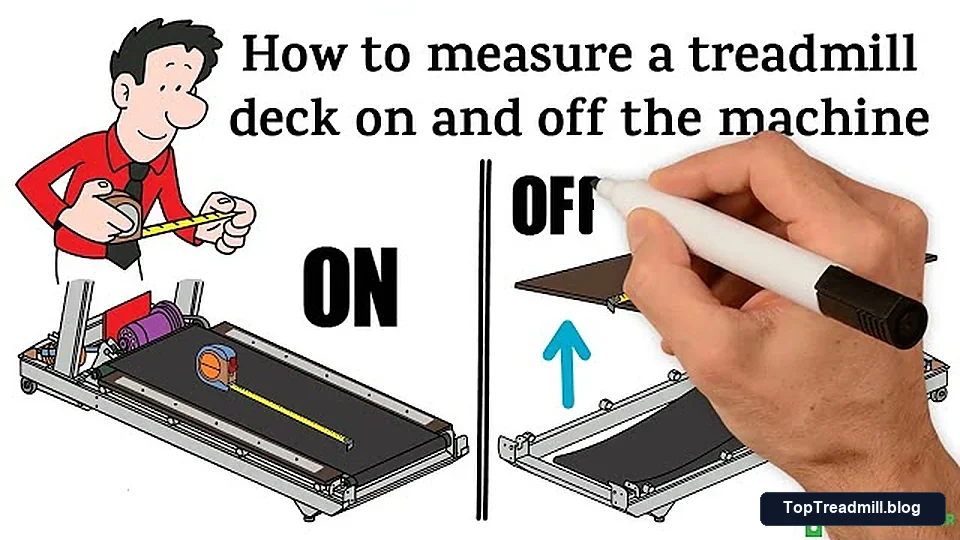
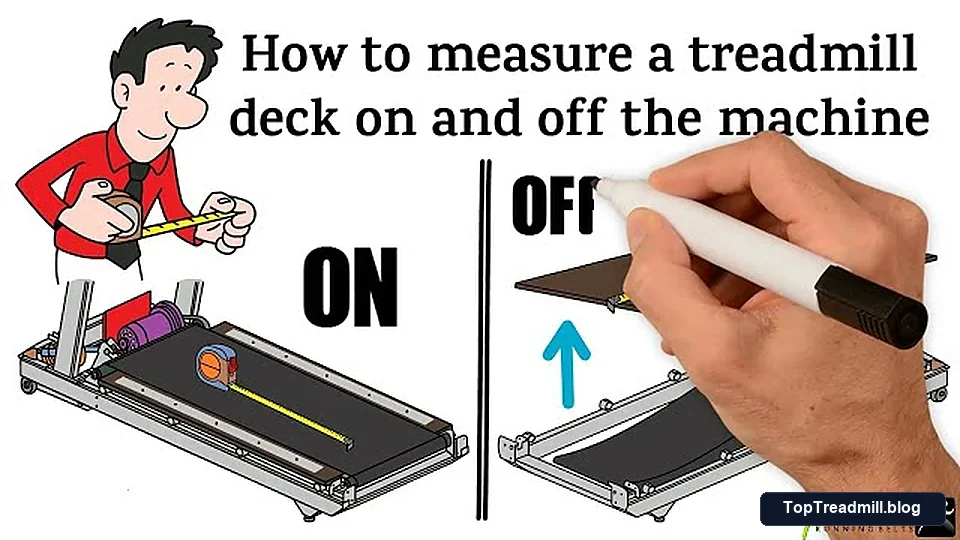
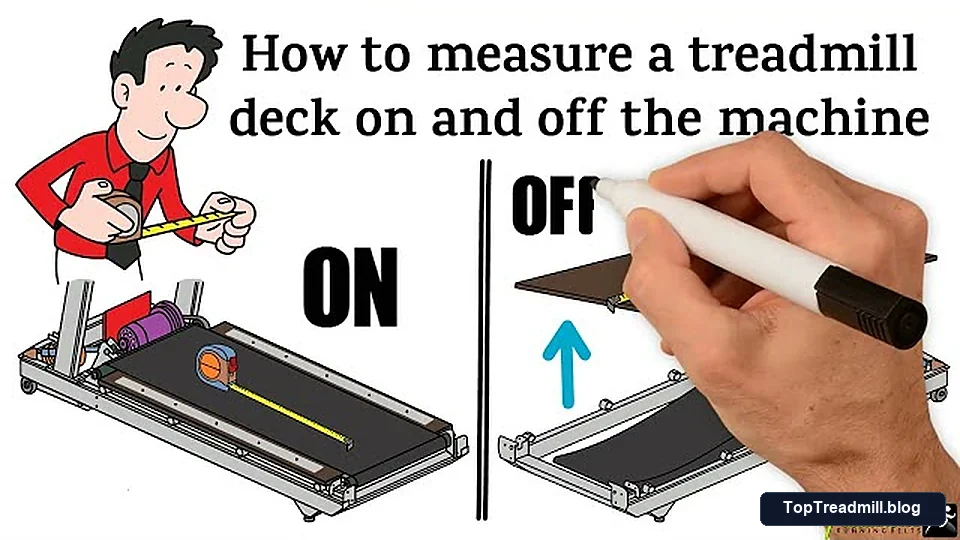
Video Walkthrough: How to measure a treadmill deck ON AND OFF the machine THE FITNESS DOCTOR
How Deck Thickness Directly Impacts Joint Impact Absorption
Thicker decks inherently provide better structural stiffness, which manufacturers pair with elastomer cushioning systems. This combination absorbs harmful kinetic energy before it reaches your knees and ankles.
Extremely thin decks lack sufficient mass to dampen shock waves effectively during running strides. Consequently, users experience higher impact forces that can trigger chronic lower extremity joint pain.
Cushioning elements work in tandem with the deck board to manage deflection parameters properly. When choosing options highlighted in our best treadmill selections guide, ensure the underlying wood prevents elastomeric cushions from bottoming out.
Achieving optimal biomechanical protection requires balancing rigid deck foundations with responsive suspension dampeners. Proper engineering ensures your joints remain protected during long endurance training sessions.
- Adequate platform thickness completely prevents running decks from bottoming out against the underlying metal frame during heavy high-impact strikes.
- Quality elastomer cushioning feet rely on stable board foundations to properly absorb kinetic shock energy away from human joints.
- Overly thin wooden platforms transfer excessive vibration directly into runner ankles, shins, and sensitive lower lumbar spinal regions.
- Careful engineering creates a harmonious mechanical interaction between rigid wood and flexible cushioning components for all runners.
Evaluating Phenolic Coatings and Surface Lamination Standards
The surface finish on a treadmill deck is just as critical as its overall thickness. High-pressure phenolic laminates create an ultra-smooth boundary that you can measure accurately using our treadmill deck size calculator.
Without proper phenolic resin treatments, friction generates excessive heat that destroys both belts and motors. Quality decks feature dual-sided coatings allowing technicians to flip the board during maintenance.
Lamination thickness prevents premature wear caused by continuous sliding contact under heavy user weight. Inferior coatings scratch easily, leading to localized friction hot spots and increased belt drag.
Inspecting your deck surface regularly for micro-scratches helps preserve the integrity of these protective layers. Applying appropriate silicone lubricants maintains the slick performance of the phenolic coating.
- Advanced high-grade phenolic laminates reduce friction coefficients significantly to protect drive motors from overheating during long endurance workouts.
- Professional dual-sided protective coatings double the usable lifespan of the wooden platform through routine maintenance flipping procedures.
- Surface lamination failure triggers sudden motor strain, running belt sticking, and catastrophic treadmill electronic error code shutdowns.
- Consistent regular silicone belt lubrication application preserves the slick barrier provided by factory-applied phenolic deck surface laminates.
Structural Integrity Under Heavy User Weight Capacities
Maximum user weight ratings correlate directly with the thickness and structural composition of the deck. Heavier runners exert tremendous downward force, requiring thicker composite boards to prevent permanent bending.
When a deck lacks sufficient thickness for a heavy user, it experiences micro-deflection with every step. This constant flexing fatigues the wood fibers and leads to catastrophic mid-board snapping.
Manufacturers test weight capacities by applying cyclic loads that simulate years of rigorous running workouts. Decks passing these trials demonstrate exceptional resistance to permanent structural deformation over time.
Selecting equipment rated safely above your body weight guarantees adequate platform thickness and longevity. Never compromise on deck specifications if you intend to push high-intensity running regimens.
- Stated maximum user weight limits depend heavily on proper board thickness to prevent permanent structural sagging issues over time.
- Rigorous cyclic load testing ensures running platforms maintain structural rigidity under extreme repetitive mechanical stress environments.
- Significantly under-specced decks will fracture prematurely when subjected to heavy running strides beyond their intended engineering limits.
- Robust commercial platforms provide generous safety margins that easily accommodate diverse user weights without any performance loss.
Recognizing Signs of Deck Fatigue and Micro-Fissures
Identifying early signs of deck failure saves your drive motor from expensive electrical damage. Listen for unusual creaking noises or thumping sounds originating directly beneath your running feet.
Visual inspections often reveal hairline cracks, surface warping, or dark discoloration from friction heat. If the deck sags visibly in the center, immediate replacement is required for safety.
Ignoring these warning signs can result in sudden structural collapse while running at high speeds. Regular maintenance checks catch these developing flaws before they cause personal injury accidents.
Checking the underside of the board reveals whether the phenolic coating has worn away completely. Bare wood exposure accelerates friction and demands prompt flipping or replacement of the platform.
- Unusual creaking sounds during foot strikes strongly indicate internal wood fatigue and structural breakdown of the composite board.
- Visible center board sagging requires immediate equipment shutdown to prevent catastrophic structural failure while actively running.
- Dark scorch marks on the underside signal severe friction heat buildup resulting from exhausted belt lubrication layers.
- Fine hairline surface cracks compromise structural integrity and necessitate prompt replacement of the entire wooden deck platform.
Maintenance Protocols to Extend Deck Lifespan and Integrity
Proper upkeep significantly extends the operating life of your treadmill deck and motor assembly. Establish a routine schedule for cleaning dust and debris from beneath the moving belt.
Apply approved 100 percent silicone lubricants between the belt and deck according to manufacturer guidelines. Avoid petroleum-based products because they degrade phenolic coatings and attract harmful dust particles.
Flip dual-sided decks halfway through their expected lifecycle to ensure even wear patterns. This simple maintenance step effectively doubles your investment in the wooden running platform components.
Monitor belt tension closely because overly tight belts increase frictional resistance and accelerate deck wear. Keeping tension properly adjusted protects both the electronics and the wooden platform surface.
- Routine preventative cleaning prevents abrasive dust particles from grinding into the phenolic deck surface during intense workouts.
- Pure silicone lubricants maintain low friction coefficients effectively without damaging sensitive laminate coatings over extended time.
- Regularly flipping dual-sided boards maximizes hardware longevity and restores slick running performance for all everyday users.
- Maintaining correct belt tension prevents excessive clamping pressure that rapidly accelerates composite wood and motor fatigue.
Frequently Asked Questions
What thickness is best for a heavy runner?
Heavy runners should always prioritize a robust one-inch thick commercial-grade deck to ensure maximum structural durability. This heavy-duty dimension prevents dangerous board sagging and safely absorbs intense impact forces during daily running sessions.
Thinner residential platforms will flex excessively under heavier body weights, leading to premature mechanical failure and costly component replacements.
How often should treadmill decks be flipped?
Dual-sided treadmill decks generally require flipping every two to three years depending on overall usage frequency. Regular inspection of the phenolic surface helps determine the exact timing for this essential maintenance step.
If you notice deep surface scratches or increased belt friction during workouts, it is definitely time to flip or replace the board immediately.
Can treadmill decks be repaired if they crack?
Cracked treadmill decks cannot be safely repaired and must always be replaced immediately by a qualified fitness technician. Severe structural compromises in engineered composite wood create dangerous safety hazards during high-speed running workouts.
Attempting to patch a fractured running platform with makeshift adhesives or metal brackets will fail rapidly under continuous cyclic runner impacts.
Why do walking pads have thinner decks?
Walking pads feature thinner decks, often measuring half an inch, to maintain convenient ultra-low step-up heights. These compact physical designs prioritize portability and space-saving storage over heavy-duty shock absorption capabilities.
Because walking speeds generate significantly less kinetic impact force than running, heavy-duty thick platforms remain unnecessary for low-speed walking machines.
What role does phenolic resin play on the deck?
Phenolic resin creates a hard, slick surface laminate that drastically reduces friction against the moving belt. This protective chemical coating prevents excessive heat buildup that can easily burn out drive motors.
Without this specialized treatment, continuous sliding friction would quickly shred the running belt and destroy the underlying wooden platform.