What Is Difference Between CHP and HP Treadmill Motors?
Technical breakdown of motor specifications helps users select durable equipment. Evaluating continuous versus peak power ensures reliable machine longevity during intense daily workouts.

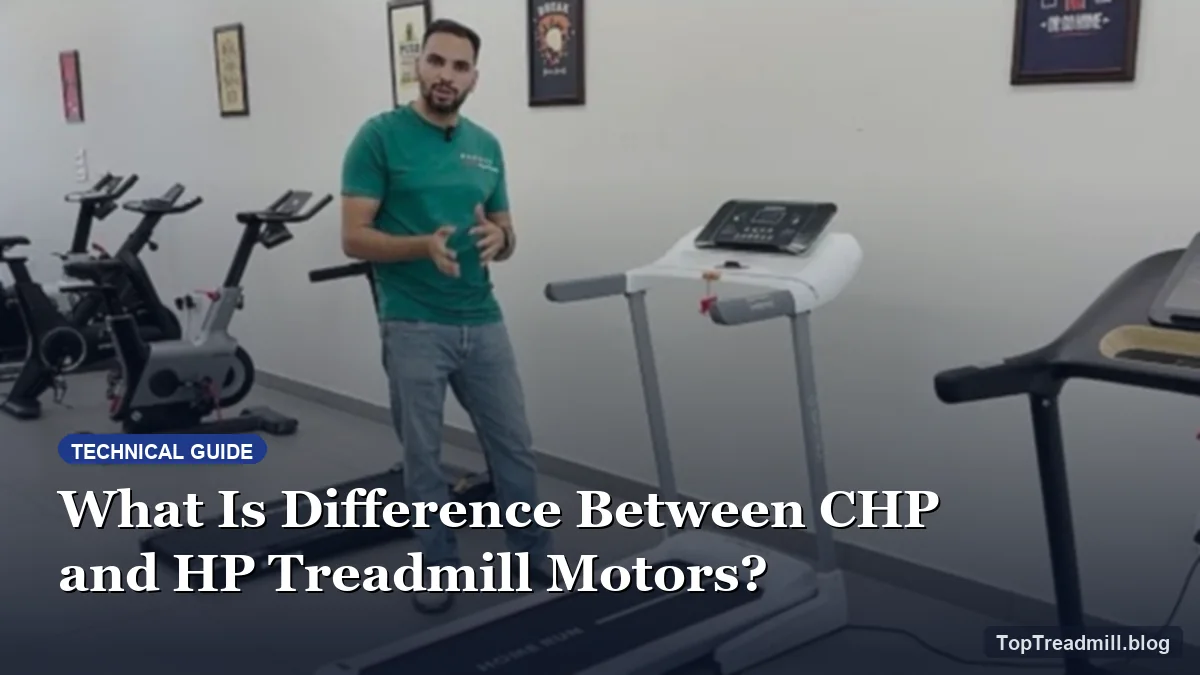
CHP measures sustained operational power under load, whereas HP indicates maximum burst capacity. Choosing continuous ratings prevents premature motor burnout during regular running routines.
Ready to compare models? Start with our Best Treadmill: Top Home Cardio & Under-Desk Picks (2026).
Practical Quick-Reference Table
| Scenario / Metric | Recommended Target | Why It Matters |
|---|---|---|
| Walking Pad Usage | 1.5 to 2.0 CHP | Handles low-speed friction without overheating internal copper windings. |
| Jogging Routines | 2.5 to 3.0 CHP | Sustains moderate belt velocity under continuous footstrike impact. |
| Heavy Running | 3.0 to 4.0+ CHP | Prevents thermal overload during high-speed endurance training sessions. |
| Peak HP Rating | Ignore for endurance | Only reflects momentary surge power before dropping under actual load. |
| Continuous Torque | High static rating | Maintains smooth belt movement when runner's foot hits the deck. |
| Electrical Draw | Dedicated 15A circuit | Ensures consistent voltage delivery to prevent motor controller damage. |
Defining Continuous Horsepower Versus Peak Output
Understanding treadmill motor ratings requires examining how manufacturers measure mechanical power. The horsepower metric historically denoted maximum potential output under optimal laboratory testing conditions.
Peak horsepower calculations often misrepresent real-world performance because they measure output for mere seconds. Motors pushed to absolute limits will quickly overheat without adequate cooling fan integration.
Continuous horsepower represents the genuine workload a motor manages indefinitely. Engineering standards dictate that CHP ratings reflect sustained thermal equilibrium during continuous running sessions.
Consumers frequently confuse these two distinct metrics when shopping for fitness machinery. Evaluating actual mechanical specifications prevents purchasing underpowered devices that fail prematurely.
- Peak horsepower measures brief, unsustainable power surges.
- Continuous horsepower evaluates long-term thermal endurance.
- Laboratory testing conditions differ drastically from home use.
- Motor windings degrade rapidly under sustained peak loads.
Historical Context of Motor Metrics
Early fitness equipment marketing relied heavily on inflated peak horsepower figures. Industry standards evolved to protect buyers from misleading performance claims.
Modern engineering protocols mandate rigorous testing for continuous duty cycles.
- Marketing departments favored high peak numbers.
- Regulatory bodies introduced strict continuous testing standards.
Engineering Mechanics Inside Treadmill Drive Systems
Evaluating motorized and manual treadmill designs highlights how drive systems convert grid current into rotational force. The internal armature and magnets interact continuously to spin the primary roller.
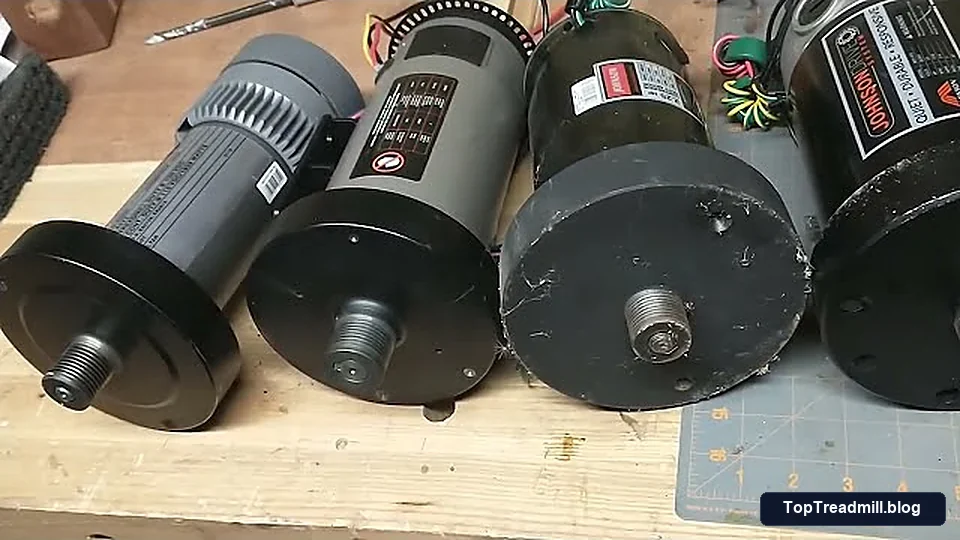
Direct current motors utilize carbon brushes to transfer electrical current internally. Brushless designs reduce mechanical friction, enhancing overall efficiency and extending service intervals significantly.
Flywheel weight plays a critical role in moderating rotational speed fluctuations. A heavier balanced flywheel stores kinetic energy, smoothing out deceleration during heavy footstrikes.
Motor controllers regulate voltage delivery based on console speed inputs. Sophisticated pulse-width modulation boards prevent erratic belt stalling when users apply heavy downward force.
- Armature coils generate rotational force via electromagnetic induction.
- Heavy flywheels stabilize belt velocity during each stride.
- Motor controllers manage precise voltage and thermal thresholds.
- Cooling fans dissipate heat generated within copper windings.
The Role of Motor Brushes
Traditional brushed motors require periodic maintenance to ensure proper electrical contact. Excessive spark generation indicates worn brushes needing immediate replacement.
Modern brushless alternatives eliminate this physical friction point entirely.
- Carbon brushes wear down over thousands of operating hours.
- Brushless units offer superior long-term reliability.
Video Walkthrough: Power Requirements
Evaluating Electrical Load and Sustained Torque
Electrical current demands fluctuate wildly depending on user weight and belt friction. High starting torque requirements place immense stress on internal electronic components.
Continuous horsepower motors feature heavier copper wire windings. These robust internal coils resist thermal breakdown during extended training sessions under heavy loads.
Voltage drops in residential electrical outlets can impair motor performance. Dedicated circuits ensure uninterrupted power delivery, protecting sensitive motor controllers from brownout damage.
Friction between the running belt and deck increases electrical draw. Understanding the running indoors versus outdoors biomechanics helps manage mechanical resistance, preserving your motor longevity and preventing overloads.
- Thicker copper windings handle higher thermal thresholds safely.
- Inadequate electrical supply causes premature motor controller failure.
- Friction coefficients directly dictate required motor amperage draw.
- High static torque prevents hesitation during initial footstrike.
Thermal Management Principles
Excessive heat remains the primary enemy of electric motor longevity. Integrated heat sinks and internal fans dissipate thermal energy during intense running.
Thermal overload switches automatically shut down systems before permanent damage occurs.
- Copper resistance increases proportionally with rising operating temperatures.
- Internal cooling fans prevent insulation breakdown inside windings.
Vocabulary Definitions and Technical Motor Metrics
Technical documentation uses specific terminology to describe motor capabilities accurately. Understanding these vocabulary terms ensures informed comparisons between different fitness equipment brands.
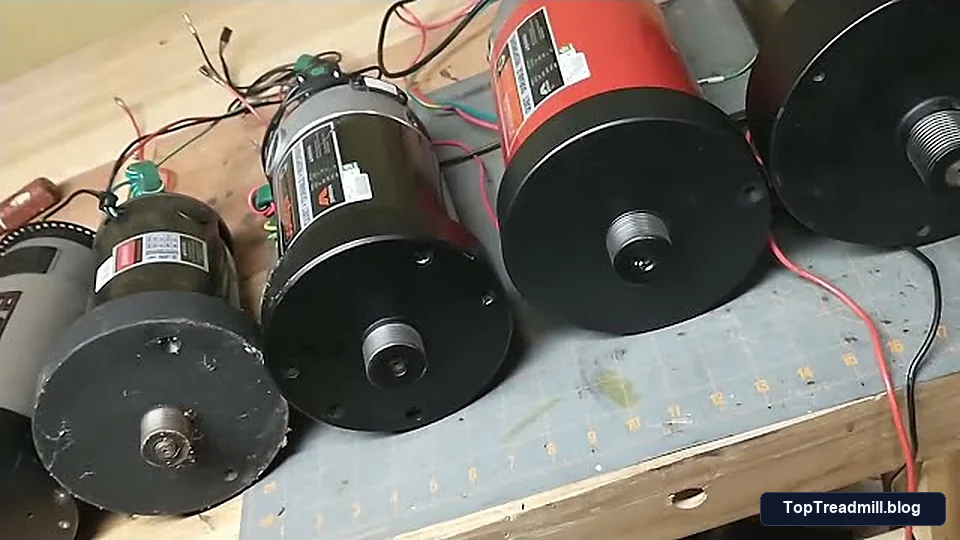
The term duty cycle defines the ratio of active operation to resting time. Industrial motors support continuous duty, whereas smaller units require mandatory cool-down intervals.
Armature resistance dictates how much electrical energy converts into waste heat. Lower internal resistance translates directly to superior mechanical efficiency under heavy loads.
Distinguishing between theoretical output and practical capability prevents costly purchasing mistakes. Standardized testing protocols provide reliable benchmarks for evaluating true performance.
- Duty cycle specifies maximum recommended continuous operating duration.
- Armature resistance measures internal electrical energy losses.
- Efficiency ratings compare mechanical output against electrical input.
- Standardized benchmarks eliminate marketing ambiguity in specifications.
Standardized Testing Protocols
Independent testing organizations verify manufacturer performance claims under controlled environments. These strict protocols simulate years of rigorous home usage.
Certified ratings offer trustworthy guidance for equipment buyers.
- Controlled lab testing simulates extreme physical stress.
- Certification marks validate continuous operational claims.
Comparing Running Stress Against Motor Capacity
Every footstrike generates momentary resistance against the moving belt surface. Heavier runners require significantly higher continuous horsepower ratings to maintain steady velocity.
When analyzing the best treadmill for walking and running, walking pads experience lower mechanical stress due to reduced impact forces. Consequently, lower CHP motors suffice for casual stepping rather than sprinting.
Incline training alters biomechanical loading by increasing gravitational resistance. Motors must exert greater torque to overcome elevated deck angles without slowing down.
Failing to match motor capacity with user weight accelerates wear. Undersized motors run hot, degrading internal insulation and causing catastrophic electrical failure.
- Running impact creates high intermittent mechanical resistance spikes.
- Incline adjustments demand increased motor torque output.
- User weight dictates minimum recommended continuous power thresholds.
- Undersized motors suffer from chronic thermal stress accumulation.
Impact Force Dynamics
Footstrike forces often exceed three times a runner's body weight. The drive motor absorbs these shock waves through the belt and deck assembly.
Robust motors maintain stable RPMs despite these fluctuating impact loads.
- Kinetic shock transfers directly into the drive roller.
- Heavy-duty armatures resist speed drops during impact.
Video Walkthrough: Treadmill Motors - Johnson Drive System - Treadmills for Sale Sydney - Treadmill warehouse
Practical Selection Guidelines for Home Exercise Equipment
Selecting appropriate equipment requires analyzing household workout habits thoroughly. Walkers need different technical specifications than multi-user running households.
Reviewing physical specification labels demands looking past prominent peak horsepower claims. Prioritize the continuous horsepower rating listed in the fine print.
Warranty duration often correlates directly with internal motor build quality. Manufacturers offering extended motor warranties demonstrate confidence in their engineering standards.
Investing in adequate power capacity safeguards long-term equipment reliability. Proper sizing eliminates frustrating speed lags during intense cardio training sessions.
- Focus exclusively on continuous power ratings during selection.
- Account for all household members using the equipment.
- Long motor warranties indicate superior internal component quality.
- Avoid models relying heavily on peak horsepower marketing.
Assessing Household Workout Demands
Multiple daily runners require commercial-grade motor durability. Casual weekend walkers can operate reliably with basic entry-level equipment.
Matching capacity to actual usage prevents premature mechanical failure.
- Frequency of use dictates required thermal capacity.
- Multi-user environments demand higher continuous power.
Maintenance Practices for Longevity and Thermal Efficiency
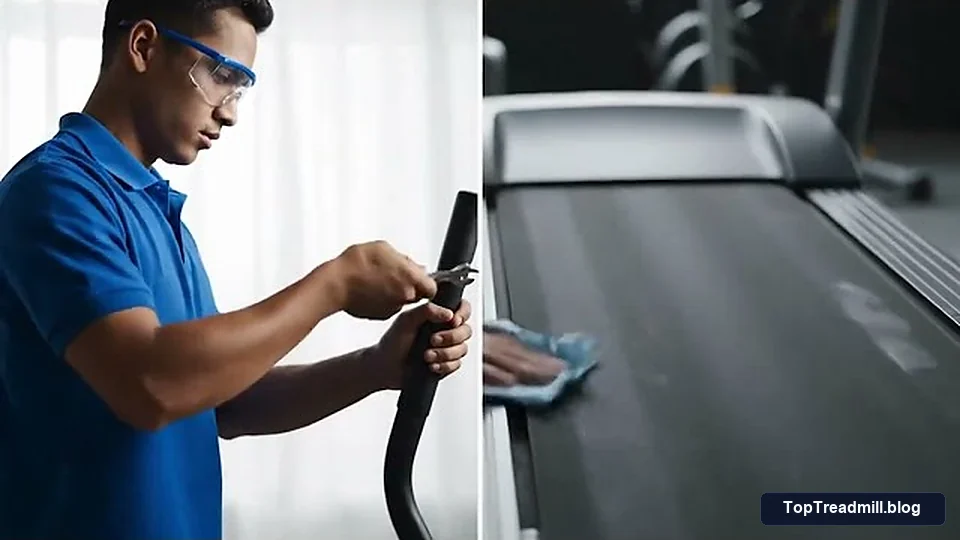
Using our treadmill deck size calculator helps ensure proper space allocation while routine maintenance preserves motor efficiency. Keeping the running deck properly lubricated minimizes friction-induced electrical strain during daily workouts.
Dust accumulation inside the motor compartment traps damaging thermal energy. Periodic cleaning prevents overheating of sensitive electronic motor controllers and wiring.
Inspecting drive belt tension ensures optimal power transfer efficiency. Loose belts slip under load, generating excessive heat and wearing out pulleys prematurely.
Monitoring operating sounds helps detect early bearing wear before failure occurs. Prompt attention to unusual noises protects the primary drive assembly from damage.
- Lubricate running decks regularly to reduce motor load.
- Vacuum dust from motor compartments every few months.
- Check drive belt tension to prevent slippage and heat.
- Listen for unusual bearing noises indicating impending failure.
Cleaning Motor Compartments Safely
Always unplug the equipment before removing any protective motor shrouds. Use compressed air cautiously to clear accumulated dust from electrical components.
Never use liquid cleaners near live circuit boards.
- Disconnect power cords prior to opening housings.
- Clear dust buildup without damaging delicate wiring harnesses.
Frequently Asked Questions
What is the main difference between HP and CHP?
HP measures temporary peak surge capacity under ideal laboratory conditions. CHP measures continuous power delivered indefinitely during actual daily workouts.
Why do manufacturers still quote peak horsepower?
High peak numbers serve as aggressive marketing tools to attract uninformed buyers. Continuous ratings provide the only reliable indicator of real performance.
What CHP is required for regular running?
Runners need a minimum of 3.0 CHP to handle sustained impact stress. Lower ratings risk overheating during intense endurance training sessions.
Does walking require less continuous motor power?
Walking pads operate efficiently on 1.5 to 2.0 CHP because impact forces are lower. Reduced belt speed generates significantly less internal friction.
How does belt friction affect motor lifespan?
High friction forces increase electrical amperage draw and thermal stress. Regular deck lubrication prevents premature motor burnout and controller failure.