What Horsepower Motor Is Needed for Running Treadmill?
Choosing the right motor horsepower prevents premature burnout and ensures safe mechanics. Proper sizing protects your long-term mechanical investment.

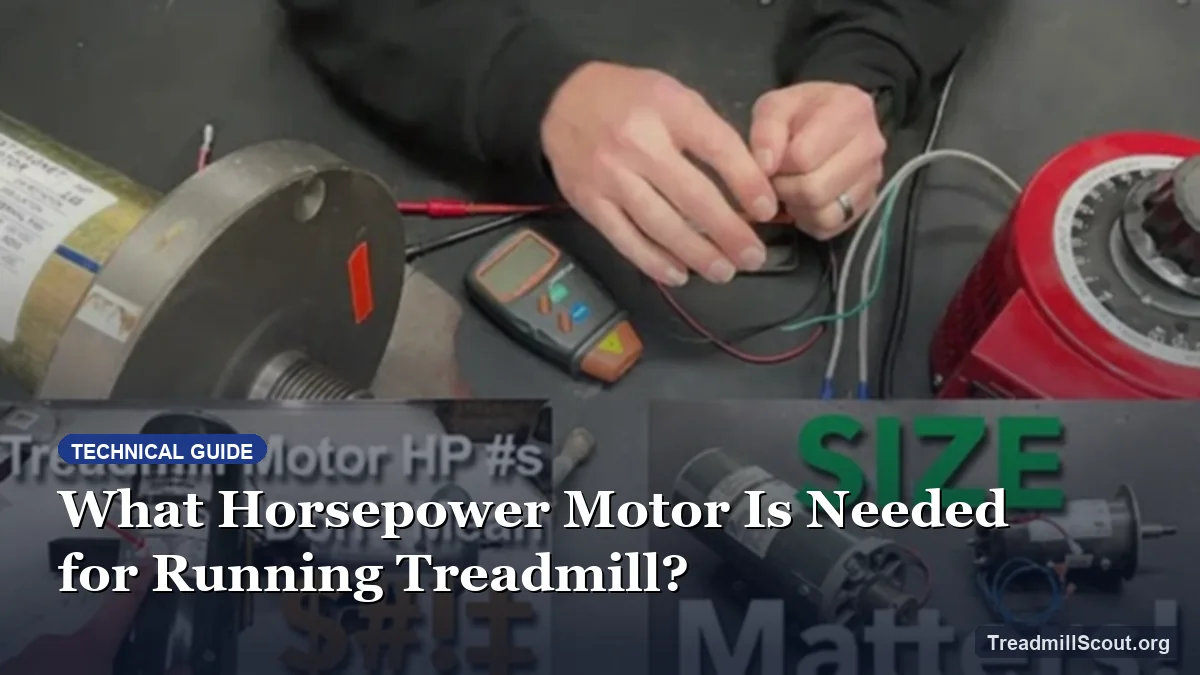
Runners require a continuous duty rating of at least 3.0 CHP to handle sustained high-impact loads safely. Matching motor capacity to user weight prevents catastrophic thermal overload.
Ready to compare models? Start with our Best Treadmill: Top Home Cardio & Under-Desk Picks (2026).
Practical Quick-Reference Table
| Scenario / Metric | Recommended Target | Why It Matters |
|---|---|---|
| Light Walking | 2.0 to 2.5 CHP | Handles low-speed friction without overheating. |
| Regular Jogging | 2.5 to 3.0 CHP | Supports moderate stride frequency and user mass. |
| Distance Running | 3.0 to 3.5 CHP | Manages sustained high-torque impact loads. |
| Heavy Sprinting | 3.5 to 4.0+ CHP | Prevents belt hesitation during explosive push-off. |
| Roller Diameter | 2.5 inches minimum | Reduces belt tension and motor strain significantly. |
| Electrical Supply | Dedicated 15-amp circuit | Ensures consistent voltage delivery under heavy loads. |
Demystifying Treadmill Motor Horsepower Specifications
Navigating treadmill motor specifications requires understanding how mechanical power translates into sustained performance. Manufacturers often use confusing terminology that obscures actual capability.
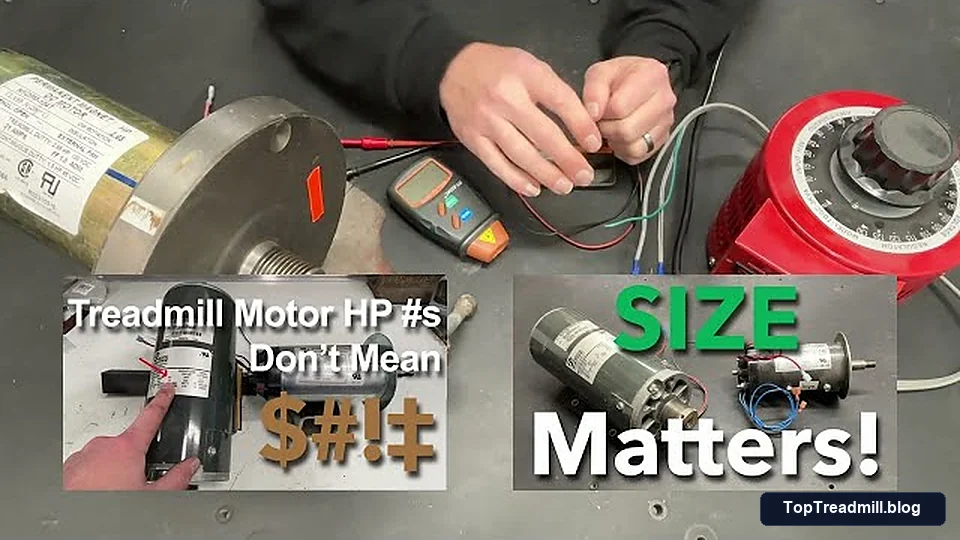
A motor must generate enough torque to overcome deck friction while a runner pushes against the belt. Reviewing selections in our best folding treadmill for running rankings highlights strong torque ratings.
Electrical efficiency directly influences how well a drive system manages heat generation during long workouts. Selecting proper specifications guarantees smooth operation across varied speeds.
Understanding these baseline metrics prevents costly mechanical failures and ensures your equipment handles intense training sessions without hesitation or stalling.
- Always evaluate continuous horsepower rather than peak ratings.
- Account for runner weight and maximum intended belt speed.
- Verify electrical insulation classes for high-heat endurance.
- Check manufacturer warranty terms covering internal motor windings.
Decoding Manufacturer Terminology and Marketing Claims
Marketing labels frequently emphasize peak horsepower to attract buyers looking for powerful machines. However, peak measurements reflect brief surges rather than realistic workloads.
Real-world running demands steady torque output over extended training blocks. Relying on inflated marketing numbers will lead to premature component failure and unsafe operation.
- Ignore maximum peak horsepower figures entirely during selection.
- Look for certified continuous duty ratings on the nameplate.
Continuous Duty Versus Peak Horsepower Ratings
Continuous duty horsepower measures the exact power a motor delivers indefinitely without overheating. When evaluating options in our best home treadmill for running guide, this metric represents true running capability.
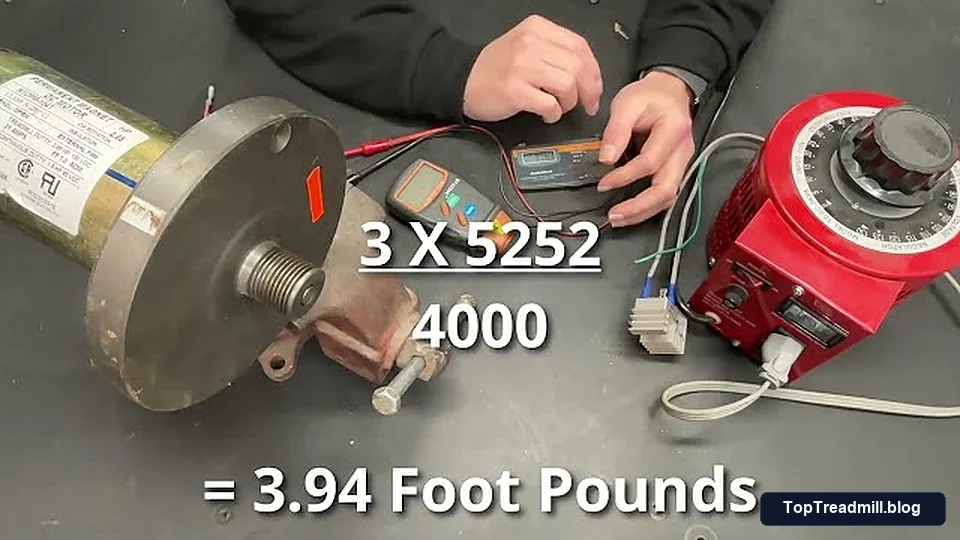
Peak horsepower indicates the maximum threshold a motor reaches before stalling or tripping internal breakers. This state lasts only seconds and has no practical training relevance.
Running creates continuous mechanical resistance that requires steady electrical output. Continuous duty ratings ensure your motor maintains safe operating temperatures over time.
Thermal management systems rely on continuous power baselines to prevent insulation breakdown inside the copper windings.
- Continuous rating dictates actual running suitability.
- Peak output only indicates momentary electrical surge capacity.
- Thermal overload protection triggers when continuous limits are exceeded.
- Proper cooling fans help maintain safe operating temperatures.
Thermal Dynamics and Internal Windings Protection
Internal motor windings generate substantial heat when subjected to heavy runner footfalls. Effective cooling fans dissipate thermal energy to prevent varnish degradation.
Motors lacking adequate thermal safeguards will shut down unexpectedly mid-run. Prioritizing robust continuous duty ratings mitigates this risk entirely.
- Inspect ventilation ports for dust accumulation regularly.
- Ensure surrounding ambient room temperature stays moderate.
Video Walkthrough: Search filters
Evaluating User Weight and Running Mechanics
Every footstrike applies downward force that temporarily increases friction between the running belt and deck. Heavier users demand significantly more motor torque to maintain steady belt speeds.
Stride frequency also impacts motor load, as rapid foot turnover requires instantaneous power delivery. Runners who land heavily need robust motors to prevent hesitation.
Biomechanics dictate that taller runners with longer strides exert greater leverage against the drive roller. This mechanical advantage requires higher horsepower ratings to compensate safely.
Matching your specific body weight to the correct motor tier guarantees longevity and fluid movement.
- Add one half horsepower for users exceeding standard weight thresholds.
- Consider aggressive heel-striking styles when sizing motors.
- Account for multi-user households with varied fitness profiles.
- Prioritize higher torque ratings for intense interval training.
Impact Force Calculations and Stride Dynamics
Running forces typically equal three times your body weight with every single step. The motor must instantly overcome this resistance without dropping belt velocity.
Inadequate motor sizing causes micro-stalls that disrupt your natural gait and strain ankle joints. Smooth power delivery protects both your joints and the machine.
- Calculate peak user weight before finalizing equipment choices.
- Observe belt velocity consistency during high-speed intervals.
Belt Size, Roller Diameter, and Electrical Load
Motor horsepower does not operate in a vacuum; deck dimensions and roller size directly influence load. Using our interactive deck size calculator helps determine proper machine dimensions for heavy training.
Wide running surfaces increase friction against the deck, demanding greater motor output to maintain velocity. Precision engineering balances these mechanical factors.
Electrical current draw fluctuates based on mechanical resistance from worn running belts or dry lubrication layers. Keeping components maintained reduces motor strain.
Understanding these interconnected hardware elements helps you choose balanced equipment that lasts for years.
- Larger rollers decrease mechanical stress on drive systems.
- Wider belts require higher baseline motor horsepower ratings.
- Proper lubrication minimizes unnecessary friction and amp draw.
- Quality deck materials improve overall operational efficiency.
Roller Engineering and Mechanical Advantage Principles
Treadmill rollers act as pulleys that transfer rotational force from the motor to the belt. Larger roller diameters distribute tension evenly across the fabric.
Small rollers require extreme belt tension, which prematurely wears motor bearings and increases thermal output. Always prioritize machines featuring substantial roller builds.
- Measure roller diameters during your equipment evaluation.
- Ensure sealed bearings protect the internal roller assemblies.
Step-by-Step Motor Calibration and Diagnostics
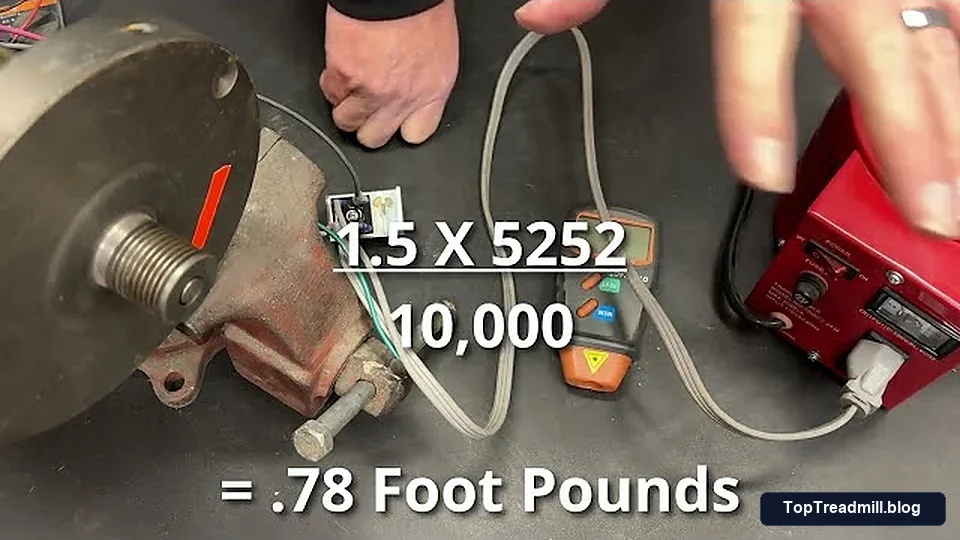
Routine diagnostic checks ensure your treadmill motor operates within safe electrical and mechanical parameters. Monitoring performance metrics catches developing issues early.
Speed sensor calibration prevents sudden surges or unexpected slowdowns during workouts. Maintaining correct calibration protects the motor controller board from damage.
Checking voltage levels under load reveals hidden power delivery issues originating from wall outlets. Proper diagnostic habits extend overall machine lifespan.
Executing systematic troubleshooting saves time and prevents expensive professional repair visits.
- Test belt speed accuracy using optical tachometer tools.
- Inspect motor controller wiring connections for secure fit.
- Monitor current draw using a reliable clamp multimeter.
- Verify grounding continuity across all metal chassis parts.
Executing Voltage Checks and Controller Assessments
Motor controllers convert alternating current into direct current to drive the motor smoothly. Testing output voltages verifies proper command signal transmission.
Erratic voltage readings indicate failing capacitors or damaged semiconductor components on the circuit board. Address these electrical anomalies immediately.
- Disconnect power sources before inspecting internal electronics.
- Look for scorched areas on the motor control board.
Preventive Maintenance to Protect Your Drive Motor
Preventive maintenance remains the single best strategy for preserving motor horsepower and efficiency. Neglecting simple upkeep tasks forces the motor to work harder.
Lubricating the running deck reduces friction, which directly lowers the electrical load placed on the motor windings. Clean components run cooler and last longer.
Vacuuming dust and debris from the motor compartment prevents thermal insulation breakdown over time. Environmental cleanliness directly influences hardware reliability.
Establishing a consistent maintenance schedule protects your investment and ensures safe daily workouts.
- Apply silicone lubricant beneath the running belt regularly.
- Clear dust from internal motor housing every six months.
- Inspect belt alignment to prevent uneven lateral friction.
- Replace worn running belts before they strain bearings.
Lubrication Schedules and Debris Removal Protocols
Friction between the belt and deck generates excessive heat that strains internal motor components. Applying correct silicone formulas restores smooth gliding performance.
Dust accumulation acts as an insulating blanket, trapping heat inside the motor housing. Regular vacuuming restores proper convective cooling airflow.
- Use manufacturer-approved silicone lubricants exclusively.
- Wipe down deck surfaces before applying fresh lubricant.
Electrical Requirements and Dedicated Circuit Safety
High-horsepower treadmill motors demand robust electrical infrastructure to deliver peak performance consistently. Undersized household circuits restrict power and risk electrical fires.
Plugging a running treadmill into a shared wall outlet often causes voltage drops during high-speed use. Many models featured in our best budget treadmill for running lineup require stable power.
Installing a dedicated circuit ensures your treadmill receives clean, uninterrupted electrical current for all training sessions. Safety standards require proper grounding.
Consulting certified electricians for installation guarantees compliance with local building codes.
- Dedicate a single 15-amp or 20-amp circuit to the treadmill.
- Avoid using extension cords that introduce dangerous resistance.
- Inspect wall outlets for secure wiring and proper grounding.
- Install surge protectors designed for heavy motorized equipment.
Identifying Voltage Sag and Circuit Overload Risks
Voltage sag occurs when household wiring cannot supply enough current for simultaneous appliances. This forces treadmill motors to draw higher amperage, generating destructive heat.
Monitoring your circuit breaker status during intense sprints reveals hidden electrical capacity bottlenecks. Protect your equipment with dedicated lines.
- Check breaker box labeling to verify dedicated line status.
- Listen for motor humming caused by insufficient voltage supply.
Troubleshooting Common Motor Hesitation and Overload
Motor hesitation during footstrike indicates worn bearings, failing controllers, or excessive belt friction. Diagnosing these symptoms promptly prevents complete mechanical failure.
Overload errors typically trigger safety shutdowns to protect the internal electrical windings from burning out. Identifying the root cause restores normal function.
Systematic isolation testing helps determine whether the issue originates from the motor, controller, or deck. Professional care may be required for complex faults.
Addressing minor hesitations early prevents catastrophic equipment breakdowns during critical training phases.
- Inspect drive belts for slipping or worn teeth.
- Test motor brushes for excessive carbon wear patterns.
- Examine controller error codes listed in your manual.
- Verify smooth manual rotation of the drive roller.
Isolating Controller Faults and Bearing Failures
Failing motor bearings produce a distinct grinding sound during high-speed rotation. Replacing these components early saves the entire motor assembly.
Controller faults manifest as erratic speed changes or complete lack of response to console commands. Expert multimeter testing confirms component status.
- Listen carefully for abnormal mechanical noises.
- Check bearing temperature immediately after stopping workouts.
Frequently Asked Questions
What horsepower motor do I need for daily running?
You need a continuous rating of at least 3.0 CHP for reliable running performance. This capacity handles high-impact loads safely without overheating.
Is peak horsepower the same as continuous duty?
No, peak horsepower only measures brief surges rather than realistic workloads. Always look for continuous duty ratings when evaluating treadmill motors.
Does runner weight affect motor horsepower requirements?
Yes, heavier users generate more downward friction that requires higher torque. Selecting a stronger continuous motor prevents premature mechanical failure.
Why does my treadmill motor hesitate when I land?
Hesitation usually indicates inadequate horsepower or excessive belt friction. Proper lubrication and a robust continuous motor eliminate this issue.
Do treadmills require a dedicated electrical circuit?
Yes, high-horsepower motors require dedicated circuits to prevent voltage drops. Using a dedicated 15-amp line protects internal motor components.