How Much Electricity Does a Treadmill Use per Hour? Costs
Discover how much electricity a motor uses during workouts. Learn to calculate your exact household energy footprint.


Most standard machines draw between 600 to 1500 watts per hour of active use. Your exact electrical consumption depends directly on user weight, motor continuous horsepower ratings, and incline angles.
Ready to compare models? Start with our Best Treadmill: Top Home Cardio & Under-Desk Picks (2026).
Practical Quick-Reference Table
| Scenario / Metric | Recommended Target | Why It Matters |
|---|---|---|
| Walking Speed Power | 600 to 800 Watts | Minimizes utility costs during low-intensity steady sessions. |
| Running Speed Power | 1000 to 1500 Watts | Reflects higher electrical draw under heavy biomechanical loads. |
| Incline Adjustment | Add 10-15% Power Draw | Elevates motor torque requirements against gravitational resistance. |
| Standby Phantom Load | 2 to 5 Watts | Consumes continuous background power if left plugged in. |
| Dedicated Circuit | 15-Amp Grounded Outlet | Prevents tripped breakers during peak motor acceleration phases. |
| Lubrication Status | Low Friction Deck | Reduces motor strain and lowers overall electricity consumption. |
Decoding Motor Wattage and Electrical Draw Fundamentals
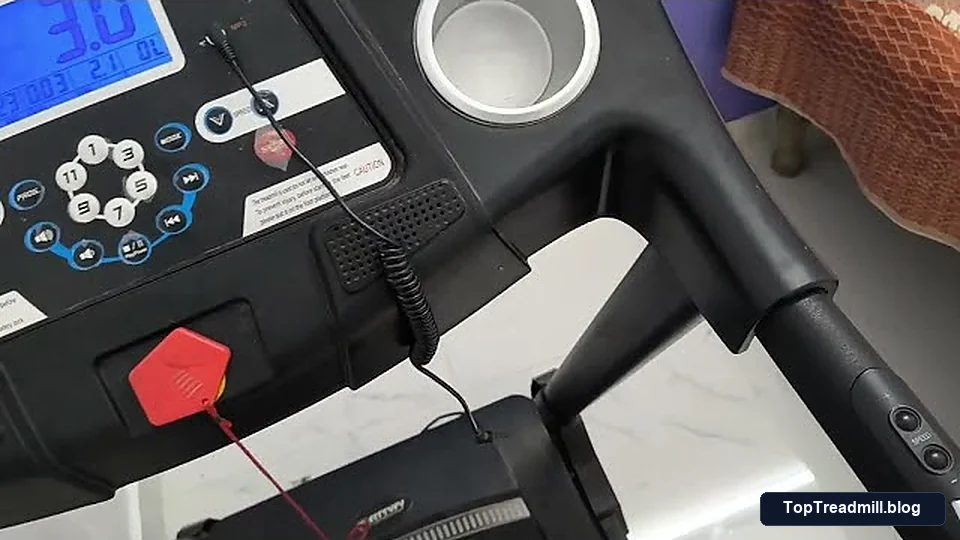
Modern fitness equipment relies heavily on robust drive systems. Understanding continuous horsepower ratings helps you estimate exact electrical draws without guessing. Continuous duty motors demand steady current to maintain consistent belt speeds under heavy loads.
Peak horsepower represents the maximum momentary output a motor can achieve. However, running calculators rely on continuous wattage because sustained workouts draw steady current rather than momentary surges. Electrical efficiency varies across different motor designs significantly.
Direct and alternating current motors handle loads differently, similar to options evaluated in our best treadmill for outdoor use roundup. Controller efficiency directly dictates how much electrical input converts into mechanical belt movement.
Assessing your machine's electrical demands begins at the specification label. Manufacturers print required voltage and amperage directly on the frame certification plate. Multiplying these two values provides the maximum theoretical wattage draw under extreme laboratory conditions.
- Locate the electrical specification label near the power cord entry point.
- Note the maximum amperage rating listed on the equipment certification plate.
- Understand that peak horsepower occurs only during sudden heavy foot strikes.
- Continuous horsepower ratings reflect steady-state energy consumption during normal operation.
Analyzing Peak Versus Continuous Ratings
Peak ratings often confuse consumers attempting to audit their household utility bills. A motor rated at three peak horsepower actually operates at a much lower continuous wattage level during standard walking routines.
True energy consumption remains tied to continuous output specs.
Evaluating your hardware specifications ensures accurate energy tracking over monthly billing cycles. Always prioritize continuous ratings when calculating kilowatt-hour usage for routine workouts. Accurate baseline data prevents unexpected surprises on your utility statements.
- Ignore inflated peak horsepower numbers for energy calculations.
- Use continuous horsepower values to estimate hourly kilowatt consumption.
- Account for minor conversion losses within the motor controller board.
Calculating Kilowatt-Hours During Running Sessions
Translating equipment wattage into financial utility costs requires simple mathematical conversion formulas. A machine operating at one thousand watts for exactly sixty minutes consumes precisely one kilowatt-hour. Multiplying total kilowatt-hours by your local utility rate reveals exact session costs.
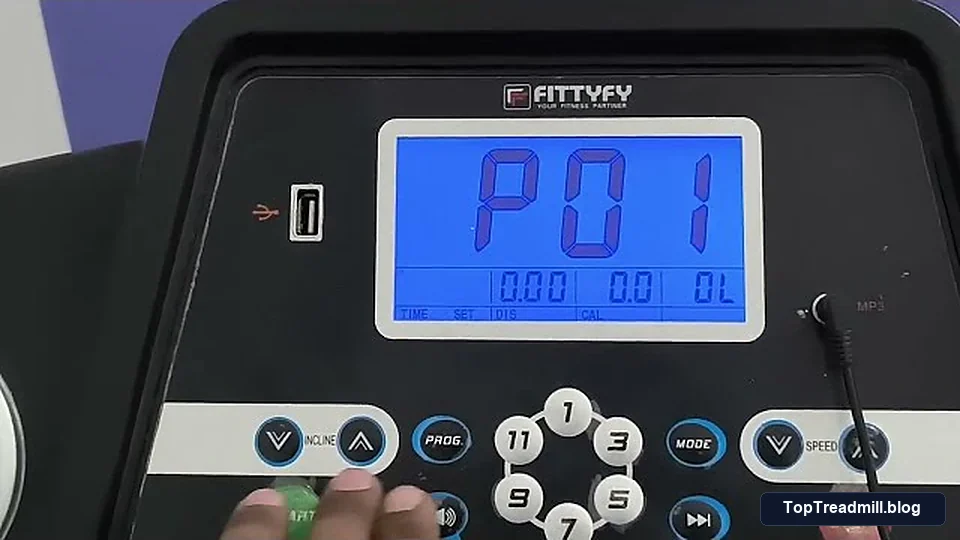
Tracking your weekly training duration allows for precise monthly energy forecasting. If you run four hours weekly, your total monthly energy consumption scales predictably based on average operating wattage. Consistent monitoring practices help optimize household utility budgeting.
Watt-meters plugged directly into wall outlets provide real-time electrical telemetry data. These digital monitoring devices capture fluctuating power draws during acceleration, cruising speed, and deceleration phases. Direct measurement tools eliminate guesswork regarding actual power usage.
Utility companies bill consumers based on cumulative kilowatt-hours consumed, including heavy-duty units like those highlighted in our best life fitness treadmill for home use review. Understanding your share keeps overall energy management in proper perspective.
- Divide total operating watts by one thousand to find kilowatt consumption.
- Multiply kilowatt usage by total training hours to determine kilowatt-hours.
- Check your local utility bill for the current cost per kilowatt-hour.
- Use external plug-in watt meters for precise empirical power verification.
Applying Practical Energy Formulas
Calculating session costs involves multiplying equipment wattage by operating time in fractional hours. For instance, a forty-five minute run at twelve hundred watts equals nine tenths of a kilowatt-hour consumed. Simple arithmetic formulas deliver reliable financial estimates.
Documenting your average training speed and session duration simplifies long-term utility tracking. Software applications or manual logs help correlate workout habits with shifting monthly power bills. Structured record keeping promotes better household energy awareness.
- Convert minutes into decimal hours before executing multiplication steps.
- Apply regional utility rates to calculate exact monetary session expenses.
- Factor in warm-up and cool-down periods when timing total usage.
Video Walkthrough: Treadmill Power Consumption Test | How much power does a treadmill consume in 1 hour? | FITKIT FT...
Impact of User Weight and Incline on Power Consumption

Biomechanical load plays a massive role in determining actual electrical power draw, making proper dimensions essential when using our treadmill deck size calculator. Increased user mass demands higher electrical current to maintain belt velocity.
Incline elevation introduces gravitational resistance that dramatically alters motor torque requirements. Raising the deck mimics uphill running, forcing the lift motor and drive motor to consume extra power. Elevated incline settings routinely push energy usage upward.
Frictional resistance between the running belt and walking deck increases under heavier loads. If lubrication degrades over time, the motor draws even more electrical current to overcome drag. Proper deck maintenance directly mitigates excessive power spikes.
Stride dynamics and foot strike force also influence momentary electrical demand. Runners who drag their feet or strike heavily create micro-stalls in belt momentum. Smooth running form helps optimize electrical efficiency during workouts.
- Heavier runners experience higher continuous wattage draws during sessions.
- Incline adjustments increase both elevation motor and drive motor loads.
- Frictional drag from unlubricated decks forces higher electrical consumption.
- Maintaining smooth stride mechanics reduces unnecessary motor strain.
Evaluating Mechanical Resistance Variables
Mechanical resistance stems from multiple interacting physical factors inside the drive system. Belt tension, roller bearing health, and user weight combine to dictate total motor load. Optimizing mechanical health keeps electrical draw within nominal design parameters.
Ignoring routine mechanical upkeep results in premature electrical efficiency losses over time. Keeping components clean and well-lubricated ensures your machine operates near its peak efficiency rating. Proactive mechanical care saves both hardware and utility expenses.
- Check belt tension regularly to prevent excessive mechanical friction.
- Inspect roller bearings for smooth rotation and minimal resistance.
- Keep the running deck clean of dust and debris buildup.
Electrical Circuit Requirements and Breaker Loads
Running high-wattage fitness equipment requires careful attention to household electrical circuit capacities. Standard household circuits typically handle fifteen amps at one hundred twenty volts safely. Exceeding circuit capacity triggers sudden breaker trips during heavy acceleration.
Dedicated electrical lines prevent interference and power drops shared with other household appliances. Sharing a circuit with refrigerators or hair dryers often causes voltage drops and equipment errors. Dedicated circuit placement ensures stable operating voltage levels.
Extension cords introduce significant resistance that can damage sensitive motor controller boards. Plugging heavy fitness gear directly into wall receptacles is a non-negotiable safety mandate. Direct wall connections prevent dangerous voltage sags and overheating.
Surge protectors safeguard expensive electronic consoles against sudden power grid fluctuations. However, ensure any utilized surge suppressor is rated to handle high continuous amperage draws. Proper surge protection preserves internal circuit board longevity.
- Verify your wall outlet supplies adequate amperage for heavy motor loads.
- Avoid sharing circuits with high-draw appliances like kitchen heaters.
- Never use standard extension cords to bridge distance to wall outlets.
- Install heavy-duty surge protectors rated specifically for motorized equipment.
Preventing Circuit Overloads and Trips
Circuit overloads happen when total current demand surpasses local breaker limits, especially with heavy-duty frames featured in our best basic treadmill for home use list. Balanced circuit loading protects both your home and equipment.
If your breaker trips repeatedly during high-speed intervals, investigate potential motor issues immediately. Persistent electrical trips indicate abnormal mechanical binding or internal short circuit conditions. Troubleshooting electrical faults prevents catastrophic component failures.
- Inspect breaker panel labeling to identify dedicated fitness room lines.
- Test outlet wiring integrity using standard diagnostic tools.
- Cease usage immediately if burning odors accompany circuit trips.
Standby Power Consumption and Phantom Loads
Modern fitness consoles feature illuminated displays, Wi-Fi radios, and standby transformers. These components draw continuous phantom power even when the running belt remains stationary. Phantom energy consumption accumulates silently on monthly utility statements.
Consoles left in active sleep mode can draw between two and five watts continuously. While seemingly minor, this background drain persists twenty-four hours a day, year-round. Unplugging equipment after use completely eliminates idle phantom power losses.
Transformer heat dissipation serves as a visual indicator of resting electrical draw. If the base housing feels warm while idle, internal components are actively consuming electricity. Standby power management represents an easy conservation win.
Smart consoles with touchscreens and streaming capabilities consume higher idle wattage levels. Turning off master power switches located near the cord entry cuts this parasitic drain. Master power switches provide convenient control over standby losses.
- Identify standby power draws caused by illuminated console displays.
- Unplug the main power cord after workouts to eliminate phantom loads.
- Utilize integrated base power switches to cut idle transformer current.
- Recognize that smart touchscreens require more standby power than basic LEDs.
Managing Idle Energy Waste
Managing idle energy waste involves adopting simple post-workout shutdown routines. Cultivating the habit of turning off master switches preserves electronics and cuts waste. Disciplined shutdown habits reduce unnecessary background electrical consumption.
Smart plugs offer automated ways to cut power to fitness gear when idle. Scheduling power cutoffs overnight ensures zero electricity is wasted during non-training hours. Automated outlet timers simplify household energy conservation efforts.
- Incorporate master switch shutdowns into your post-exercise cooling routine.
- Consider programmable smart plugs for automated standby power control.
- Inspect console sleep mode settings to minimize idle illumination.
Video Walkthrough: How Much Electricity Used in Treadmill?? It work on Invertor?? #ufitindia #treadmill #electricity
Maintenance Factors Affecting Electrical Draw
Preventive maintenance directly influences how much electricity your machine consumes during workouts. Friction between the running belt and walking deck increases as silicone lubrication degrades. Regular deck lubrication lowers motor strain and electrical draw.
Belt alignment issues create uneven lateral friction that forces motors to work harder. Keeping the running belt properly centered prevents unnecessary energy waste and premature wear. Precise belt tensioning ensures optimal mechanical efficiency.
Dust accumulation inside the motor compartment can impede cooling airflow and trap heat. Overheated motors lose electrical efficiency and draw higher current to maintain performance. Periodic internal cleaning preserves optimal motor operating temperatures.
Drive belt slippage reduces power transmission efficiency from the motor to the front roller. Replacing worn drive belts restores crisp response and normal electrical consumption profiles. Timely hardware replacements prevent hidden energy efficiency losses.
- Apply manufacturer-approved silicone lubricant beneath the running belt regularly.
- Check and adjust running belt tracking to prevent side friction drag.
- Vacuum dust and debris from the internal motor compartment annually.
- Inspect drive belt tension for signs of slipping or stretching.
Executing Routine Upkeep Tasks
Executing routine upkeep tasks requires basic hand tools and correct lubrication supplies. Following manufacturer maintenance schedules prevents compounding friction issues over time. Scheduled preventive care safeguards your motor investment effectively.
Documenting your maintenance intervals ensures you never miss a critical lubrication window. Consistent upkeep keeps electrical draws predictably low across thousands of operating miles. Diligent maintenance routines maximize long-term equipment performance.
- Mark calendar reminders for bi-monthly deck lubrication checks.
- Test belt slippage manually by applying safe stopping pressure.
- Keep detailed service logs for all hardware maintenance tasks.
Frequently Asked Questions
How many watts does a typical treadmill consume during a standard workout?
Most standard machines draw between 600 to 1500 watts per hour of active use. Your exact electrical consumption depends directly on user weight, motor continuous horsepower ratings, and incline angles.
Does running at higher speeds significantly increase my electricity bill?
Running at higher speeds increases motor wattage draw by thirty to fifty percent. Higher belt velocities require more continuous current to overcome increased mechanical resistance.
Do treadmills consume electricity when plugged in but not running?
Consoles left in active sleep mode draw between two and five watts continuously. Unplugging the machine after workouts completely eliminates these idle phantom power losses.
What size electrical circuit is required to run a heavy-duty fitness machine?
Most motorized models require a standard 15-amp grounded outlet on a dedicated circuit. Sharing this line with major appliances can trigger unexpected breaker trips.
How can I reduce the amount of electricity my treadmill uses?
Regularly lubricating the running deck reduces friction and lowers motor strain. Proper preventive maintenance ensures your equipment operates at peak electrical efficiency.