Why Does My Treadmill Smell Like Burning Rubber?
Experiencing a chemical odor during your workout? This technical guide identifies root mechanical causes and safety fixes.

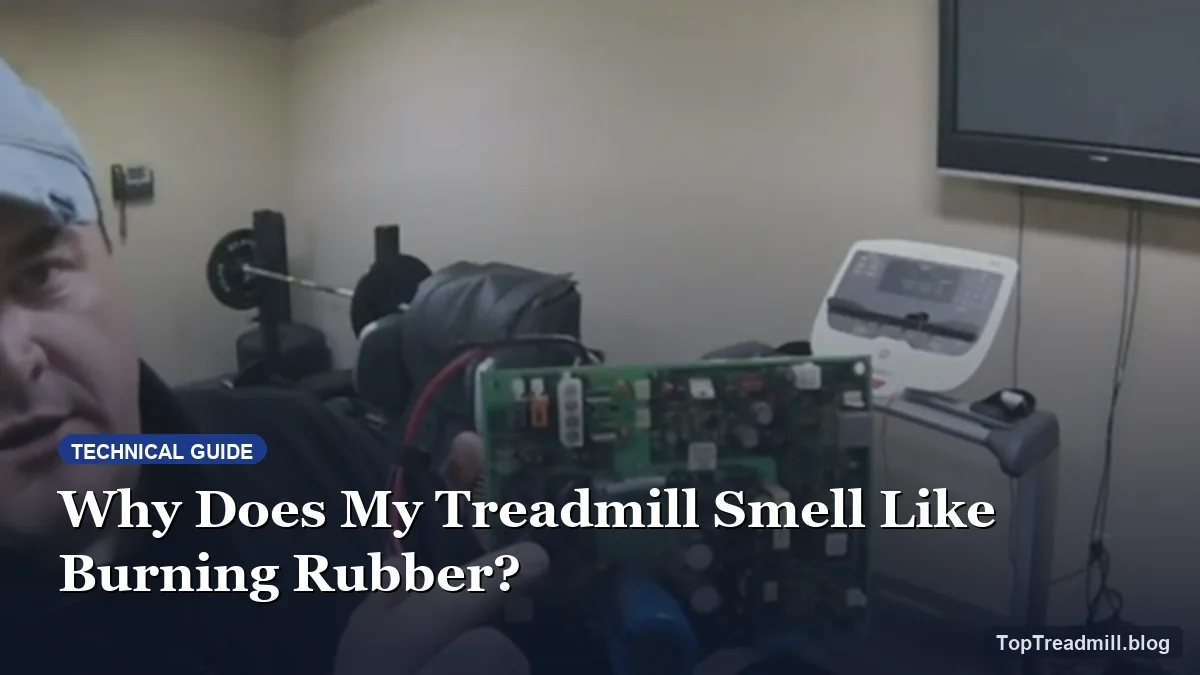
A burning rubber smell usually indicates excessive belt friction or a slipping motor drive system. Inspect your running deck and drive belt tension immediately to prevent permanent failure.
Ready to compare models? Start with our Best Treadmill: Top Home Cardio & Under-Desk Picks (2026).
Practical Quick-Reference Table
| Scenario / Metric | Recommended Target | Why It Matters |
|---|---|---|
| Drive Belt Tension | 1/2 inch deflection | Prevents pulley slippage and friction odors. |
| Deck Lubrication | 100% silicone fluid | Eliminates high thermal resistance underfoot. |
| Running Belt Alignment | Centered within 1/4 inch | Stops side-edge scraping against frame rails. |
| Ambient Operating Temp | Below 85 degrees Fahrenheit | Protects motor windings from overheating. |
| Electrical Circuit Load | Dedicated 15-amp breaker | Prevents voltage drops and thermal stress. |
| Inspection Frequency | Every 50 operating hours | Catches worn rubber components early. |
Core Mechanics of Treadmill Drive Systems
Modern motorized fitness equipment relies on complex rotational force transfer. An electric motor turns a small front pulley connected via a rubber belt to the main roller shaft.
When components misalign, friction increases rapidly. This mechanical resistance generates intense heat that can scorch rubber compounds, especially when pushing through the best treadmill setting for fat burning routines.
- Electric motors transfer torque through ribbed rubber drive belts.
- Front rollers convert rotational force into linear running belt movement.
- Misaligned pulleys create immediate thermal friction spikes.
- Synthetic compounds degrade rapidly when exposed to continuous heat.
Understanding Power Transmission
Power transmission efficiency depends entirely on proper component tension. If tension drops below manufacturer thresholds, the drive belt slips across metal pulley grooves.
This micro-slippage creates rapid abrasive friction. The resulting heat quickly scorches the interior rubber ribs, producing the unmistakable odor of burning automotive tires inside your room.
- Pulley grooves require clean, debris-free contact surfaces.
- Loose tension causes immediate rotational slippage under load.
Evaluating Running Belt and Deck Friction
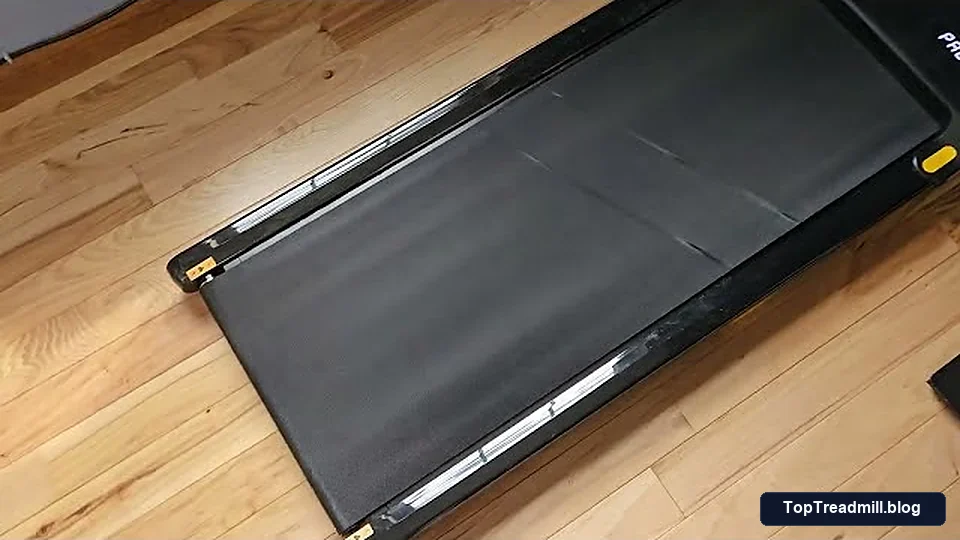
The walking belt rests on a flat composite deck subjected to heavy downward force. As users stride, body weight presses the belt against this low-friction surface continuously.
If the specialized deck wax or silicone oil depletes, friction multiplies exponentially. The running belt underside drags heavily, overheating the backing fabric and generating severe rubber smells.
- User weight creates constant downward pressure on the running deck.
- Depleted lubrication spikes thermal resistance across the entire board.
- Frictional heat damages both the belt backing and deck surface.
- High friction forces the drive motor to draw excessive current.
Checking Underfoot Resistance
You can evaluate friction manually by unplugging the machine and lifting the belt edges. Checking this helps preserve the deck surface, ensuring a smooth ride similar to the best treadmill for road like feel models.
A properly maintained deck feels slick and smooth. If your hand detects dry friction or sticky residue, immediate lubrication is mandatory to stop thermal degradation.
- Always disconnect power before touching internal deck components.
- Look for dry patches or dark scorching marks on the belt.
Video Walkthrough: Why Did My Treadmill Stop Working? Burning Smell? / Try Lubricating The Belt With Oil!
Inspecting Motor Drive Belts and Pulleys
Remove the motor hood shroud to expose the primary drive assembly. Inspect the ribbed rubber belt looping around the motor flywheel and the front roller pulley carefully.
Look for missing ribs, glazing, or powdery black rubber dust scattered across the internal compartment. These visual indicators confirm that severe belt slippage is occurring.
- Unplug the machine before removing the plastic motor hood.
- Examine the rubber belt ribs for cracking, glazing, or fraying.
- Check for black rubber dust accumulations on the baseplate.
- Verify that both pulleys align in a perfectly straight plane.
Assessing Belt Tension Levels
Gently press the midpoint of the drive belt between your thumb and forefinger. Proper tension allows roughly one-half inch of deflection without excessive force.
If the belt feels overly loose or rigid, adjust the motor mounting bolts to restore correct tension parameters and eliminate the friction causing the burning smell.
- Test deflection at the exact center between both pulleys.
- Tighten motor mount fasteners securely after adjustment.
Electrical Component Stress and Wiring Heat
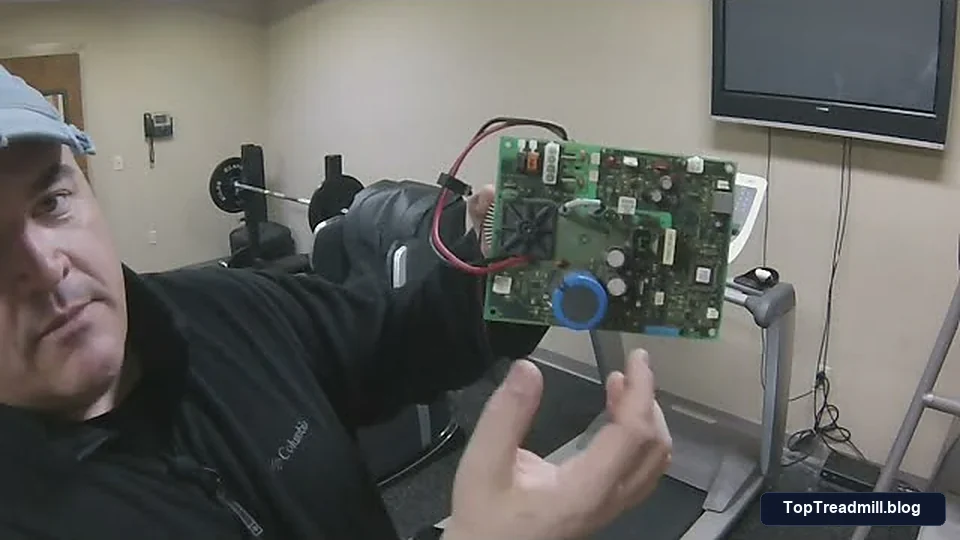
Sometimes an acrid odor mimics burning rubber due to overheating electrical insulation. Faulty motor control boards or failing wire connectors generate high localized temperatures.
Inspect the wiring harness terminals for discoloration, melting plastic housings, or charred wire insulation. Electrical failures require immediate professional intervention to prevent potential fire hazards.
- Control boards regulate voltage delivered to the drive motor.
- Loose terminal connections create high resistance and extreme heat.
- Melted plastic smells very similar to burning rubber components.
- Never operate equipment showing signs of electrical scorching.
Differentiating Odor Sources
To isolate the smell source, sniff the motor hood immediately after a short test walk. Mechanical rubber smells originate near pulleys, while electrical burning smells concentrate around control boards.
Pinpointing the exact thermal zone saves time and ensures you repair the correct subsystem without wasting effort on unrelated mechanical assemblies.
- Isolate the front compartment to trace specific odor trails.
- Compare mechanical friction zones against electronic board areas.
Lubrication Failures and Material Degradation
Running decks require regular application of pure silicone lubricant. Neglecting this crucial maintenance on your best treadmill choice causes the underside fabric to fuse slightly with the deck under heavy loads.
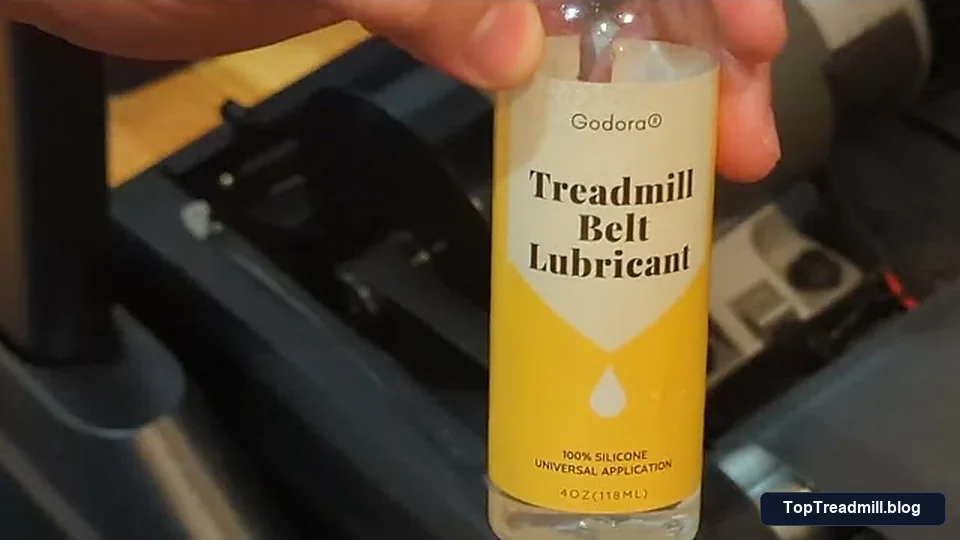
This breakdown of synthetic polymers produces pungent chemical odors. Left unaddressed, it shreds the running belt and permanently scars the underlying composite board surface.
- Use only manufacturer-approved pure silicone lubricant formulas.
- Never apply petroleum-based oils to treadmill running decks.
- Lubricate every three to six months depending on usage volume.
- Wipe away excess fluid to prevent dust accumulation.
Applying Silicone Correctly
Loosen the rear roller bolts to access the center of the deck easily. Apply a thin, even bead of silicone lubricant across the entire width of the board surface.
Run the belt at a slow speed for several minutes to distribute the lubricant evenly before resuming normal running workouts.
- Loosen rear roller bolts evenly on both sides.
- Distribute lubricant evenly without oversaturating the edges.
Video Walkthrough: Urevo walking treadmill burning smell
Step-by-Step Troubleshooting and Diagnostics
Begin your diagnostic procedure by performing a thorough visual and olfactory inspection. Unplug the machine, remove the motor hood, and examine all moving parts for friction damage.
Spin the front and rear rollers manually to check for bearing resistance. Smooth rotation indicates healthy bearings, while rough grinding points to hardware failure causing heat.
- Always unplug the treadmill before opening the motor housing.
- Check roller bearings for smooth, silent rotational movement.
- Inspect the running belt alignment against the frame sides.
- Test belt tension using standard deflection measurements.
Isolating Roller Resistance
Disconnect the drive belt from the motor pulley to isolate components. Spin the front roller independently to verify that the resistance stems from the belt rather than internal bearings.
This systematic elimination process ensures you replace only worn components. After completing repairs, check our deck size calculator if you are planning to upgrade your running surface dimensions.
- Disconnect the drive belt from the motor flywheel.
- Spin each roller independently to check for bearing drag.
Preventive Maintenance to Stop Odors
Establish a routine maintenance schedule to prevent chemical odors from returning. Wipe down the frame, vacuum dust from the motor compartment, and check belt tension regularly.
Routine inspections catch minor misalignments before they generate destructive friction. Keeping your equipment clean extends the operational lifespan of every internal moving part.
- Vacuum dust from the motor compartment every month.
- Check running belt tracking and tension every quarter.
- Lubricate the walking deck according to usage hours.
- Keep the floor area beneath the machine clear of debris.
Creating a Maintenance Log
Track your lubrication and tension adjustments in a simple logbook. This habit ensures you never miss critical maintenance intervals on high-use fitness equipment.
Proactive care preserves component tolerances and eliminates unexpected mechanical breakdowns during your daily exercise routines.
- Record hours used or months elapsed between services.
- Note any unusual noises or smells immediately in your log.
When to Replace Worn Internal Hardware
Despite diligent maintenance, rubber components eventually reach their end of life. If a drive belt exhibits deep cracking, glazing, or missing teeth, replacement is mandatory.
Continuing to run on degraded hardware risks catastrophic motor failure or sudden belt seizure. Install genuine replacement parts matched to your exact treadmill model specifications.
- Replace drive belts showing surface cracking or missing ribs.
- Change worn running belts with torn backing fabric immediately.
- Source exact OEM replacement parts matching your model number.
- Consult professional technicians for complex electrical repairs.
Installing Replacement Belts
Carefully slide the new drive belt over the motor pulley and roller wheel. Ensure the ribs seat perfectly inside the pulley grooves before tensioning the assembly.
Verify alignment and tension parameters thoroughly before running the motor at high speeds to confirm safe, odor-free operation.
- Seat belt ribs completely into matching pulley grooves.
- Re-check tension metrics before plugging the machine in.
Frequently Asked Questions
Is it safe to run on a treadmill that smells like burning rubber?
No, continuing to use the machine risks component failure or fire. Unplug the treadmill immediately and inspect the drive belt and deck.
What causes a burning smell right after unboxing a new treadmill?
New drive belts and motor brushes often emit a mild manufacturing odor during initial break-in periods. This chemical scent should dissipate within three sessions.
How often should I lubricate my treadmill deck to prevent friction odors?
Apply pure silicone lubricant every three to six months depending on usage frequency. Heavy daily running requires more frequent lubrication cycles.
Can a loose drive belt cause a burning rubber odor?
Yes, a loose belt slips across the motor pulley, generating rapid abrasive friction. Adjusting the tension bolts usually resolves this specific issue.
What tools do I need to inspect my treadmill internal components?
You typically need a standard screwdriver to remove the motor hood shroud and a flashlight. A socket wrench may also help adjust belt tension.