How to Ground Static Electricity on Treadmill?
Static shocks on fitness equipment stem from friction and low humidity. Proper grounding eliminates these discharges safely.


Eliminate static by ensuring a continuous electrical path to earth ground and maintaining optimal ambient humidity. Regular silicone lubrication stops belt friction from generating charges.
Ready to compare models? Start with our Best Treadmill: Top Home Cardio & Under-Desk Picks (2026).
Practical Quick-Reference Table
| Scenario / Metric | Recommended Target | Why It Matters |
|---|---|---|
| Relative Humidity | 40% to 50% | Reduces static buildup rate |
| Ground Resistance | Under 1 Ohm | Ensures safe charge dissipation |
| Belt Lubrication | 100% Silicone | Prevents excessive dry friction |
| Floor Mat Material | Rubber or ESD | Blocks static transfer to floor |
| Outlet Wiring | 3-Prong Grounded | Provides direct earth path |
| Running Shoes | Non-Synthetic Soles | Lowers electrostatic generation |
Understanding Static Accumulation on Treadmill Belts

Friction between the running belt and the deck generates electrostatic charges continuously during workouts. Triboelectric charging occurs when materials with different electron affinities rub together repeatedly.
Dry indoor air lacks moisture needed to dissipate charges. Readers evaluating options in our walking pad vs treadmill comparison should note how voltage builds up until a discharge occurs.
Understanding this root cause allows technicians to apply targeted physical and electrical mitigations. Addressing friction and grounding paths stops static before it reaches the console.
Modern motor controllers are sensitive to high-voltage static spikes coming from the running platform. Protecting sensitive microchips requires maintaining a reliable, uninterrupted path to earth ground.
- Friction causes electron transfer between belt and deck.
- Low humidity prevents natural static dissipation into air.
- Voltage accumulates rapidly during high-speed walking sessions.
- Unmanaged static can damage electronic console display boards.
Electrostatic Physics of Running Surfaces
Synthetic running belts and phenolic decks create ideal conditions for static generation. High surface resistance traps electrons instead of allowing them to bleed away safely.
When your foot strikes the belt, localized pressure intensifies this microscopic charge separation. Breaking contact pulls electrons away, leaving a net positive charge behind.
- Synthetic materials maximize triboelectric charge generation.
- Foot strikes accelerate microscopic electron separation rates.
Verifying Electrical Grounding in Your Wall Outlet
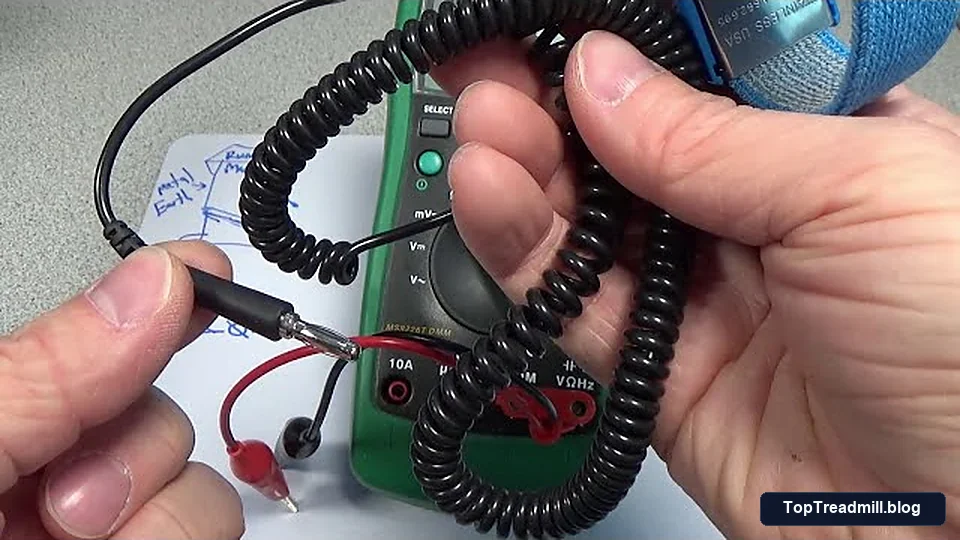
The first line of defense against static shocks is a properly wired three-prong wall outlet. Earth grounding provides a safe pathway for stray electrical currents to escape.
Never use ungrounded extension cords with motorized fitness equipment. Even when purchasing units from our best budget treadmill guide, proper grounding prevents electrical isolation from the building earth system.
Use a reliable digital multimeter to test continuity between the outlet ground slot and known earth sources. Resistance readings should measure close to zero ohms for safety.
Faulty household wiring can leave the metal treadmill frame floating at a dangerous electrical potential. Regular outlet inspections prevent both static buildup and severe shock hazards.
- Verify green wire connection inside the wall box.
- Test voltage between hot and ground terminals safely.
- Avoid daisy-chaining multiple power strips together.
- Check circuit breaker load limits for stability.
Using Multimeters for Outlet Diagnostics
Set your multimeter to measure alternating current voltage before testing receptacle terminals. Insert the probes carefully into the appropriate slots to read live power.
A reading of zero volts between neutral and ground confirms a solid return path. Proper wiring standards ensure your treadmill chassis remains safely referenced to earth.
- Switch meter to AC voltage settings correctly.
- Confirm zero potential between neutral and ground.
Video Walkthrough: Introduction
Applying Specialized Anti-Static Treadmill Lubricants
Dry running decks increase friction and accelerate the generation of unwanted electrostatic charges. Applying 100% silicone lubricant reduces friction and keeps the belt moving smoothly.
Avoid petroleum oils that degrade belts and attract dust. When choosing models from our best treadmill recommendations, always clean the deck thoroughly before applying fresh silicone lubricant.
Consistent lubrication limits the physical contact forces responsible for triboelectric charge separation. Less friction directly translates to fewer static shocks during your daily workout routines.
Check your manufacturer guidelines to determine the correct lubricant viscosity and application frequency. Over-lubricating can cause belt slippage, creating new mechanical safety hazards to manage.
- Use pure silicone oil without petroleum additives.
- Lift belt edges to apply lubricant evenly.
- Wipe away excess fluid from side rails.
- Maintain regular monthly lubrication schedules consistently.
Lubrication Application Best Practices
Always unplug your machine prior to applying any liquid maintenance products beneath the belt. Even distribution across the center deck prevents uneven wear patterns.
Wipe away any overspray immediately to prevent slipping hazards around the side rails. Proper belt maintenance protects both the motor and your physical safety.
- Disconnect power before performing belt maintenance.
- Apply lubricant strictly under the walking path.
Managing Ambient Indoor Humidity Levels Effectively
Dry air acts as an excellent electrical insulator, preventing accumulated static charges from dissipating. Raising relative humidity levels above forty percent neutralizes static electricity naturally.
Install a whole-home humidifier or place a portable ultrasonic unit near your home gym setup. Monitoring hygrometer readings ensures the room stays within the ideal moisture range.
Water vapor in the air creates a microscopic conductive film on surfaces. This moisture layer allows static charges to bleed off into the surrounding atmosphere safely.
Winter heating seasons often drop indoor humidity to uncomfortable extremes, worsening equipment shocks. Supplementing room moisture restores comfort and protects your sensitive electronic fitness gear.
- Target indoor relative humidity between forty percent.
- Use digital hygrometers to track room moisture.
- Position humidifiers away from direct electrical outlets.
- Clean water tanks regularly to prevent mold.
Inspecting Internal Ground Wires and Motor Components
Internal components rely on physical green ground wires attached directly to the metal frame. Internal bonding ensures that any static charge transfers safely to earth.
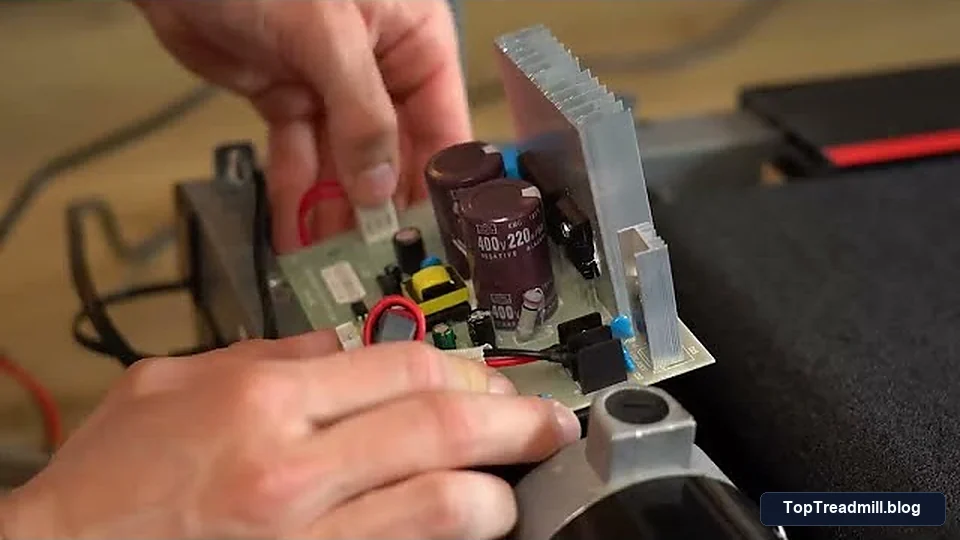
Unplug the machine completely before removing the motor hood to inspect internal wiring connections. Look for loose spade connectors, frayed wire strands, or corroded grounding terminals.
Tighten any loose mounting screws securing the drive motor to the steel frame chassis. Secure metal-to-metal contact is vital for maintaining an unbroken electrical ground path.
Some advanced models feature specialized static dissipation brushes touching the running belt. Inspect these carbon fiber brushes for wear and replace them if they appear damaged.
- Always disconnect power before opening motor hoods.
- Check green grounding wires for secure attachment.
- Inspect static brushes near the front roller.
- Clean accumulated dust from internal circuit boards.
Video Walkthrough: How to STOP treadmill static shocks for GOOD?!
Using Anti-Static Mats and Floor Surface Mitigation
Thick nylon carpets generate massive static electricity. After using our deck size calculator to confirm spatial fit, place an anti-static equipment mat underneath your machine to break this cycle.
Select heavy-duty rubber or specialized ESD-rated mats designed for heavy fitness equipment installations. These dense materials prevent static transfer between the floor and the frame.
Avoid placing treadmills directly on high-pile synthetic carpets without protective barrier layers underneath. Hardwood or tiled floors combined with rubber mats offer superior static control overall.
Ensure the chosen floor mat does not trap excessive heat beneath the motor compartment. Proper ventilation around the base prevents overheating while maintaining effective electrostatic isolation.
- Choose high-density rubber or ESD flooring mats.
- Avoid direct placement on synthetic high-pile carpets.
- Leave adequate ventilation space around motor bases.
- Vacuum beneath the mat during routine cleanings.
Footwear Selection and Personal Discharge Methods
The shoes you wear play a significant role in accumulating or discharging static electricity. Rubber-soled athletic shoes often insulate your body, preventing natural charge dissipation.
Consider wearing footwear with conductive soles or exercising on specialized grounding surfaces if possible. Alternatively, touch a grounded metal object before stepping onto the machine.
Synthetic moisture-wicking workout clothing can also increase friction and electrostatic generation on your skin. Choosing natural cotton blends minimizes personal static accumulation during intense workout sessions.
Staying properly hydrated improves skin conductivity, helping your body shed static charges more efficiently. Small lifestyle adjustments complement mechanical grounding efforts for a shock-free workout.
- Wear athletic shoes with minimal synthetic insulation.
- Touch exposed metal frames to discharge safely.
- Choose breathable cotton workout apparel fabrics.
- Maintain adequate daily hydration for skin conductivity.
Frequently Asked Questions
Why do I get shocked by my treadmill?
Friction between the moving synthetic belt and deck generates continuous electrostatic charges during intense workouts. Exception low indoor humidity prevents natural atmospheric dissipation, causing painful static shocks upon contact.
Can static electricity ruin my treadmill console?
High-voltage electrostatic discharges can indeed fry sensitive microchips and damage internal electronic display boards. Proper grounding and anti-static maintenance protect your investment from electrical failures.
How often should I lubricate the running belt?
Most residential treadmills require pure silicone lubrication every three to six months depending on usage. Regular maintenance minimizes friction and prevents excessive electrostatic charge generation.
Does room humidity affect treadmill static shocks?
Dry winter air significantly increases static buildup by acting as a strong electrical insulator. Maintaining indoor relative humidity above forty percent naturally neutralizes these charges.
Are rubber exercise mats effective against static?
High-density rubber equipment mats isolate your treadmill from static-prone synthetic carpets underneath. ESD-rated flooring successfully blocks charge transfer between the floor and your machine frame.