How to Store Walking Pad Vertically Without Damage?
Proper vertical storage prevents catastrophic internal damage to compact walking pads. Master these mechanical safety rules to protect your equipment.

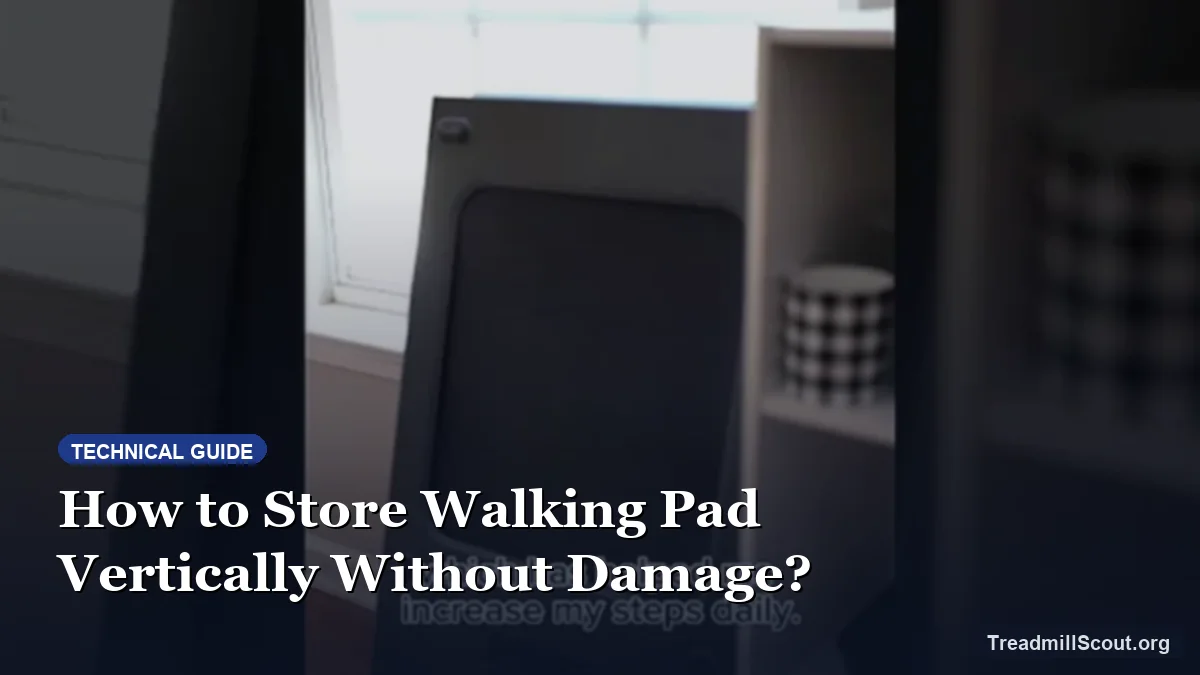
Always disconnect power and ensure the locking pin engages fully before tipping your walking pad upright to prevent structural chassis failure.
Ready to compare models? Start with our Best Treadmill: Top Home Cardio & Under-Desk Picks (2026).
Practical Quick-Reference Table
| Scenario / Metric | Recommended Target | Why It Matters |
|---|---|---|
| Storage Angle | Strict 90-degree upright | Prevents joint stress and frame warping. |
| Silicone Lube | Pure 100% viscosity fluid | Protects deck without degrading belt backing. |
| Floor Protection | High-density rubber mat | Eliminates permanent dents on hardwood surfaces. |
| Wall Tether | Stud-anchored heavy strap | Eliminates accidental tip-over safety hazards. |
| Power Status | Unplugged and toggled off | Prevents phantom power draws and electrical fires. |
| Acclimation | Full room temperature | Protects internal motors from thermal shock damage. |
Evaluating Frame Structural Integrity Before Upright Storage
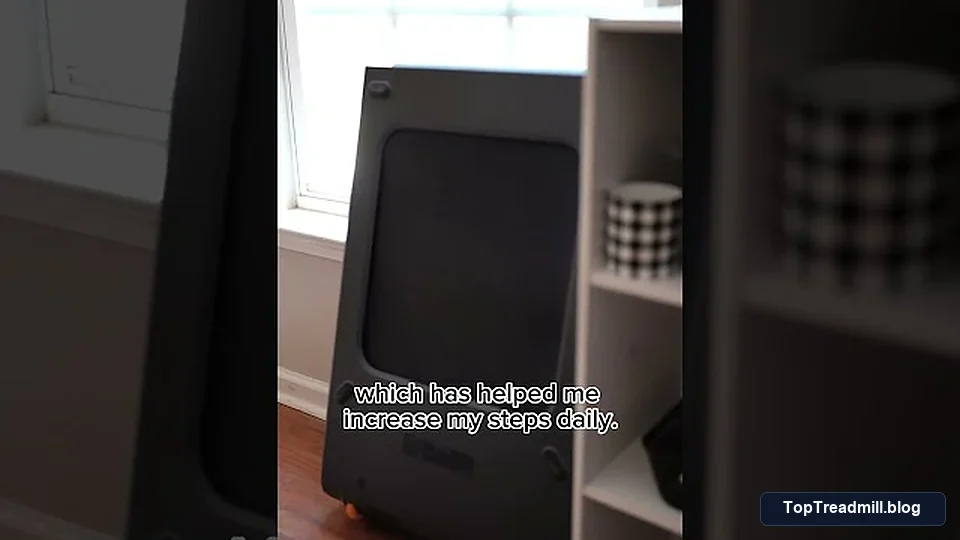
Before lifting any walking pad into a vertical position, you must inspect the welded steel joints for micro-fractures. Regular use induces significant vibration stress across these exact structural junctions.
Check that the side rails and console arms can support gravitational shifts without bending. If your chassis shows signs of metal fatigue, upright storage may worsen structural misalignment permanently.
Remove all loose accessories, magnetic safety keys, and water bottles from the running deck. Leaving items attached can cause severe impact damage to the LED display panel during rotation.
Assess the maximum weight rating of your specific walking pad model against its vertical footprint. Heavy frames featured in our best walking pad treadmill selections require reinforced wall brackets.
- Inspect steel welds for stress fractures annually.
- Clear all magnetic keys and loose items.
- Verify chassis load-bearing capacity before lifting.
- Test side rail rigidity under light pressure.
Checking Hinge Bolt Torques
Grab a calibrated hex wrench and verify the tightness of all primary hinge bolts. Loose fasteners allow the deck to shift unevenly when stored vertically.
Never overtighten these pivot points, as stripped threads will compromise the structural integrity required for safe folding operations and daily walking sessions.
- Use correct hex key sizes to prevent stripping.
- Check pivot alignment before locking mechanisms.
Securing Hydraulic Pistons and Folding Mechanisms Properly
Modern folding walking pads utilize gas shocks or manual locking pins to hold the upright position. Inspect these hydraulic cylinders for any hydraulic fluid leaks before storing.
Engage the mechanical locking latch completely until you hear an audible click. A partial latch engagement risks sudden deck collapse, which destroys internal wiring harnesses instantly.
If your walking pad relies on a manual screw-pin, thread it in completely until finger-tight. Never force a misaligned pin, as this damages the internal threaded housing.
Keep the piston rods clean and free from dust buildup using a microfiber cloth. Lubricating the shafts with dry silicone spray ensures smooth folding action every time.
- Listen for the distinct locking latch click.
- Wipe piston shafts clean of ambient dust.
- Apply dry silicone to hinge pivot points.
- Never force jammed manual locking pins.
Testing Latch Reliability
Gently shake the vertical folding frame to test latch security before walking away. Review our walking pad vs treadmill comparison to understand structural differences.
Replace worn-out plastic latch housings immediately if they show cracks or fail to hold the deck securely in the upright vertical orientation.
- Perform a gentle wobble test after locking.
- Inspect plastic components for stress cracking.
Video Walkthrough: How easy it is to put away the walking pad
Managing Internal Lubrication Drift During Vertical Alignment
Storing units from our best walking pad for seniors list vertically causes silicone belt lubricant to pool at the lower end. This gravitational drift leaves the upper running deck dry.
Before using the walking pad again, always redistribute the silicone fluid manually. Run the belt at a low speed for three minutes to evenly coat the board.
Avoid applying excessive liquid lubricant right before vertical storage to prevent messy leaks onto your flooring. Use measured applicator bottles designed specifically for treadmill belt maintenance.
Check the underside of the walking belt for dry spots after prolonged vertical storage periods. Proper friction management prevents premature motor burnout and excessive belt wear.
- Anticipate silicone pooling at the deck base.
- Run belt at low speed to redistribute lube.
- Avoid over-lubricating prior to upright storage.
- Inspect running board surface for dryness.
Applying Correct Lubricant Viscosity
Always use 100 percent pure silicone oil designed for motorized fitness equipment. Petroleum-based oils will degrade the running belt backing and destroy internal deck coatings.
Apply precise amounts down the center of the belt underside rather than near the outer edges to prevent messy floor stains.
- Select pure 100 percent silicone lubricants only.
- Target the center line of the running board.
Floor Protection and Surface Friction Requirements
Placing a walking pad vertically concentrates its heavy weight onto a tiny surface area. Always use a high-density rubber mat to prevent permanent dents in hardwood flooring.
Ensure the base feet feature intact rubber pads to provide necessary friction against slippery tile or laminate. Unprotected metal feet will scratch floors during the storage rotation.
Check that the vertical base stands flush against the floor without rocking. Uneven pressure distribution can warp the plastic motor casing over extended storage durations.
Clean the contact points regularly to remove grit and debris that could act as abrasive sandpaper against your delicate home flooring surfaces during movement.
- Deploy high-density equipment mats underneath bases.
- Verify rubber feet are present and intact.
- Ensure stable flush contact on flat floors.
- Remove abrasive dust particles from base plates.
Calculating Base Pressure Distribution
Concentrated vertical loads can exceed hundreds of pounds per square inch. Distributing this weight prevents structural indentation on softer residential carpet or vinyl planks.
Always use wide equipment coasters if your specific model lacks adequate built-in leveling feet for maintaining completely stable upright storage configurations.
- Calculate PSI ratings for heavy base frames.
- Deploy coasters for unstable storage feet.
Wall Anchoring and Anti-Tip Engineering Principles
Vertical walking pads present a distinct tip-over hazard around wandering children or pets. Install a heavy-duty tether strap anchored directly into wall studs for safety.
Never rely solely on friction against smooth baseboards to keep a heavy walking pad upright. Secure the upper frame section using a quick-release safety buckle.
Maintain a strict minimum clearance distance from high-traffic household walkways to prevent accidental physical impacts against the stored fitness machine.
Verify wall anchor brackets can withstand pulling forces before mounting equipment. Use measurements from our treadmill deck size calculator to confirm clearance dimensions against studs.
- Install robust wall tether straps securely.
- Anchor directly into wooden wall studs.
- Keep walking pads away from busy hallways.
- Test bracket strength before final attachment.
Selecting Proper Wall Hardware
Use toggle bolts for hollow drywall installations or heavy wood screws when hitting studs directly. Avoid plastic anchors that pull out under minimal shear stress.
Check anchor tightness during monthly home maintenance routines to guarantee continuous long-term protection against unexpected tipping accidents.
- Choose metal toggle bolts for hollow walls.
- Inspect anchor hardware during monthly routines.
Video Walkthrough: Best Walking Pad for Small Spaces Easy to Store \u0026 Great for Daily Cardio #walkingpad #cardioworkout
Protecting Motor Enclosures and Electronic Dashboards
Dust and ambient moisture easily infiltrate vertical motor hoods when positioned near floor level. Cover the entire unit with a breathable fabric dust cover.
Never store your walking pad in humid basements or unconditioned garages where airborne condensation can corrode sensitive circuit boards and internal motor windings.
Ensure the console display faces inward toward the wall or remains shielded to protect scratch-prone LED screens from accidental bumps and sharp impacts.
Unplug internal wiring connectors if you must disassemble the console arm for ultra-compact storage configurations to prevent cable pinching inside the hinge joints.
- Shield motor hoods with breathable covers.
- Avoid humid garage or basement storage.
- Protect LED screens from physical impacts.
- Inspect wiring harnesses for pinch points.
Managing Electronic Static Buildup
Vertical friction can generate static electricity that harms sensitive microprocessor boards. Discharge static safely by touching a grounded metal object before plugging back in.
Keep the internal compartment clean of pet hair and dust bunnies that attract static charges and cause electrical short circuits during operation.
- Discharge static charges prior to operation.
- Vacuum internal compartments to remove hair.
Cord Management and Electrical Hazard Prevention
Loose power cords represent a severe tripping hazard when walking pads are stored upright. Wrap the power cable securely around designated built-in cord hooks.
Never pinch the primary electrical cord underneath the heavy metal frame during the folding process, as exposed copper wires create dangerous electrical fire hazards.
Inspect the power plug prongs for bending or corrosion before plugging the equipment back into standard wall electrical outlets after long storage periods.
Keep main power switches toggled to the off position while the machine is stored upright to prevent accidental remote startups or phantom power draws.
- Wind power cords neatly on storage hooks.
- Never trap wires under metal folding joints.
- Inspect plug prongs for physical damage.
- Switch off master power before storing.
Avoiding Extension Cord Pitfalls
Never connect walking pads to household extension cords, as high motor draw creates extreme heat and potential wiring meltdowns inside the cable insulation.
Plug the unit directly into a dedicated wall receptacle that matches the exact voltage and amperage requirements specified by the equipment manufacturer.
- Avoid standard household extension cords completely.
- Verify dedicated wall outlet voltage ratings.
Long-Term Material Stress and Re-leveling Routines
Storing fitness equipment vertically for months introduces constant gravitational pull on elastic belt materials. Periodically rotate the belt position to prevent permanent deformation.
Check belt tracking alignment before every walking session, as vertical storage shifts can cause the running belt to track toward the left or right edge.
Use an Allen wrench to adjust the rear roller tension bolts evenly if the belt slips after being stored in an upright position for weeks.
Allow cold walking pads to acclimate to room temperature before powering on motors to prevent thermal shock across electronic components and plastic gears.
- Check belt tracking after upright storage.
- Adjust rear roller tension bolts evenly.
- Let cold machines warm up indoors.
- Inspect elastic belt tension periodically.
Performing Post-Storage Calibration
Run a comprehensive diagnostic self-test if your model includes digital calibration software to ensure speed sensors and internal motors function properly.
Walk slowly at low speeds for five minutes to ensure smooth mechanical operation before resuming regular daily workout routines on your equipment.
- Execute digital diagnostic self-tests.
- Test low-speed walking before full workouts.
Frequently Asked Questions
Can storing a walking pad vertically damage the internal motor?
No, vertical storage does not harm the motor if you keep the unit dry. Always use a breathable dust cover to block ambient debris from entering the housing.
Why does the running belt feel dry after upright storage?
Silicone lubricant naturally pools downward due to gravity over time. Run your belt slowly at a low speed to redistribute the lubricant evenly across the deck.
Is it safe to leave a vertical walking pad without wall anchoring?
Leaving heavy fitness equipment unanchored creates severe tip-over risks around pets or children. Always install a stud-mounted tether strap to guarantee absolute household safety.
How do I prevent floor dents from heavy vertical walking pads?
Concentrated weight requires a protective barrier to distribute load pressures evenly. Place a high-density rubber equipment mat underneath the upright base frame immediately.
Should I unplug the power cord before storing my walking pad upright?
Yes, always disconnect the unit and wrap the cable securely. This eliminates phantom power draws and prevents accidental cord pinching during the folding process.