How to Oil Walking Pad Under Desk? Maintenance Steps
Proper lubrication prevents premature motor burnout and excessive friction on compact walking pads. Maintaining your belt ensures smooth, quiet operation during daily office use.

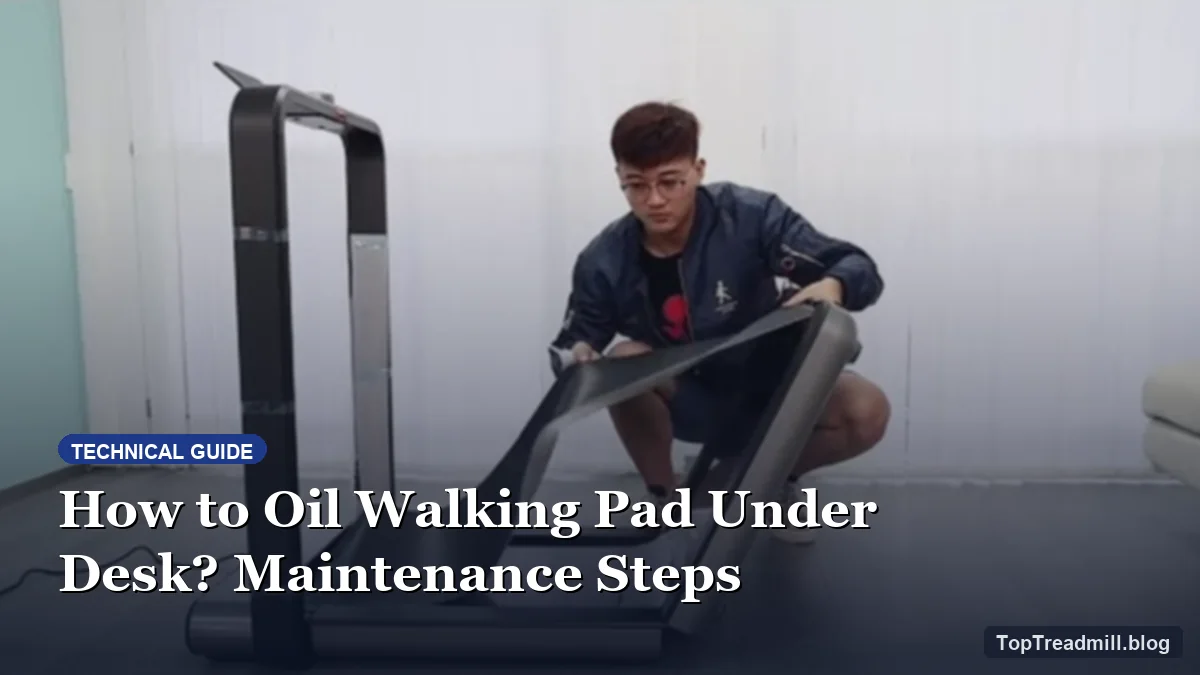
Apply exactly 15 to 20 milliliters of pure silicone lubricant beneath the running deck every three months. Never use petroleum-based oils that degrade the internal belt deck components.
Ready to compare models? Start with our Best Treadmill: Top Home Cardio & Under-Desk Picks (2026).
Practical Quick-Reference Table
| Scenario / Metric | Recommended Target | Why It Matters |
|---|---|---|
| Lubricant Type | 100% Pure Silicone | Prevents belt and motor damage |
| Application Volume | 15 - 20 ml per session | Avoids slippage and excess pooling |
| Lubrication Frequency | Every 50 miles or 3 months | Maintains optimal friction levels |
| Post-Application Test | 3 mph for 3 minutes | Distributes oil evenly across deck |
| Tension Adjustment | 1/4 turn increments | Prevents lateral belt drifting |
| Deck Cleaning | Damp microfiber wipe | Removes abrasive dust and debris |
Understanding Walking Pad Friction Dynamics
Compact walking pads operate under strict thermal and mechanical tolerances compared to large folding treadmills. The narrow footprint creates concentrated downward pressure right where your feet strike the belt continuously.
Without adequate lubrication, friction between the running belt and the low-profile fiber deck spikes rapidly. This thermal stress forces the small DC motor to draw excessive current, risking permanent electrical failure.
When evaluating compact fitness gear like walking pad vs under desk elliptical setups, remember that high thermal expansion between components creates microscopic heat spots that quickly degrade standard materials.
Without proper lubrication, the coefficient of friction spikes significantly. This overload forces the drive motor to draw excessive current, risking premature electrical failure or blown control board fuses.
- Monitor belt temperature during long walks
- Check for unusual burning smells near motor
- Inspect deck surface regularly for dry spots
- Keep workspace dust-free around the intake
Frictional Wear Indicators
Watch for subtle performance drops like hesitation or momentary stopping when your weight hits the belt. These micro-stalls indicate dry patches where friction exceeds the motor torque capacity.
- Look for frayed edges along the belt
- Listen for squeaking sounds during strides
- Note any sudden electric motor strain
Selecting the Correct Lubricant Formulation
You must exclusively utilize 100 percent pure silicone oil specifically engineered for fitness equipment maintenance. Avoid household sprays, WD-40, or petroleum derivatives because they chemically destroy walking pad belts.
Petroleum-based products degrade the PVC or urethane underside of the running belt, causing irreversible structural delamination. Pure silicone provides a stable, heat-resistant barrier that dramatically reduces continuous friction coefficients.
Always use 100% pure silicone oil designed specifically for fitness equipment. Petroleum-based lubricants, WD-40, or cooking sprays will ruin the deck coating and attract harmful dust particles.
Selecting components for the best heavy duty under desk walking pad means viscosity ratings matter tremendously. A rating around 350 cSt ensures optimal fluid film thickness during heavy heel strikes.
- Check ingredient purity labels carefully
- Avoid aerosol propellants with additives
- Buy viscosity-rated fluids for treadmills
- Store bottles away from direct sunlight
Viscosity and Application Volume
Most portable walking pads require a thin layer of fluid that will not squeeze out excessively under foot pressure. Pouring too much oil causes dangerous slipping hazards and attracts stubborn dust.
- Measure exact fluid volume before pouring
- Use precision nozzle tips for control
- Wipe excess fluid immediately if spilled
Video Walkthrough: How to lubricate WalkingPad?
Preparing Your Workspace and Equipment
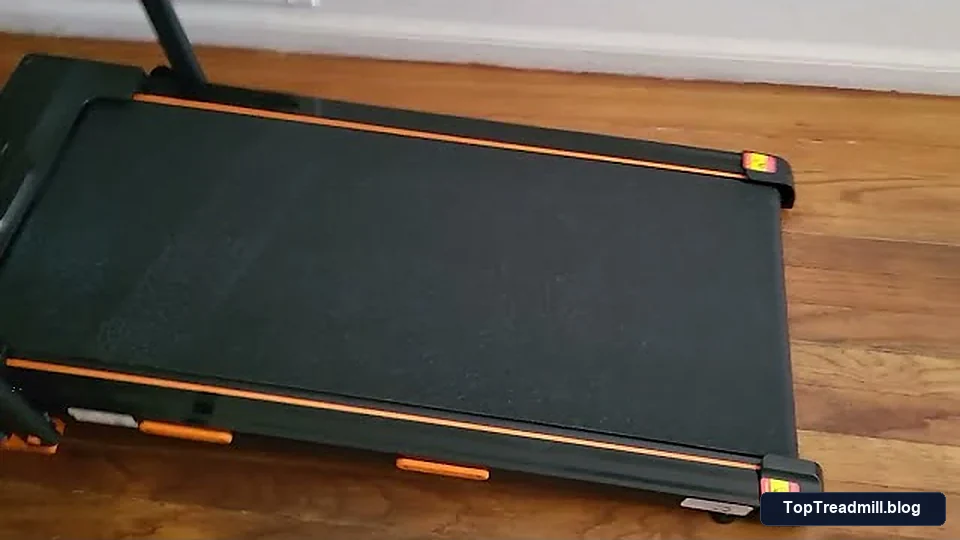
Before applying any maintenance fluids, completely power down your walking pad and unplug the electrical cord from the wall outlet. Safety protocols dictate zero active power during any physical maintenance intervention.
Clear away any office chairs, standing desks, or surrounding debris to create an unobstructed working perimeter around the chassis. Lay down a protective mat underneath to catch accidental silicone drips.
Unplug the walking pad from the electrical outlet before starting any maintenance procedures. Safety standards mandate absolute isolation from live current to prevent severe electrical shock hazards.
Wipe down the side rails and outer casing with a microfiber cloth. Removing accumulated pet hair and micro-debris prevents contaminants from migrating under the running belt surface.
- Unplug wall power cord before servicing
- Clear surrounding workspace thoroughly
- Gather clean microfiber cloths nearby
- Keep silicone bottle ready in hand
Cleaning the Deck Perimeter
Before using our deck size calculator for replacement panels, wipe down exposed side rails to eliminate accumulated dust. Dust particles act like sandpaper when trapped between the moving belt and deck.
- Use dry microfiber cloth on rails
- Inspect side rail gaps for debris
- Remove pet hair thoroughly from base
Step-by-Step Silicone Application Method
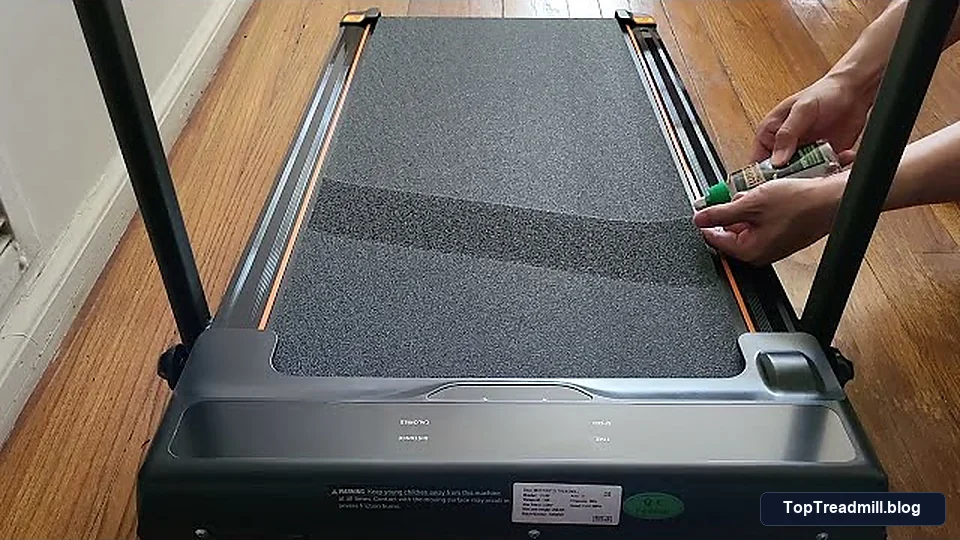
Gently lift one side of the running belt upward to expose the underlying wooden or composite deck surface. Insert the nozzle tip approximately halfway toward the center of the walking pad platform.
Squeeze a thin, continuous bead of silicone oil along the entire length of the deck from front to rear. Repeat this precise insertion process on the opposite side to ensure balanced coverage.
Lift the edge of the running belt near the center point. Insert the nozzle extension and apply a zig-zag pattern using roughly 15 to 20 milliliters of fluid.
Repeat this exact application process on the opposite side of the deck. Even distribution prevents uneven wear tracks and eliminates annoying side-to-side friction imbalances during operation.
- Lift belt edge carefully without creasing
- Apply steady zigzag bead of fluid
- Avoid getting oil on drive pulleys
- Lower belt back flat onto deck
Distributing the Lubricant Fluid
Plug the machine back into the wall outlet and turn on the master power switch safely. Run the walking pad at a slow speed of one mile per hour for several minutes.
- Walk lightly on belt to spread oil
- Run belt completely idle first
- Check for uniform surface shine
Calibrating Belt Tension and Alignment
Applying lubricant often requires loosening or shifting the running belt, which necessitates careful tension checks afterward. Use the included hex wrench to make minor adjustments to the rear roller bolts.
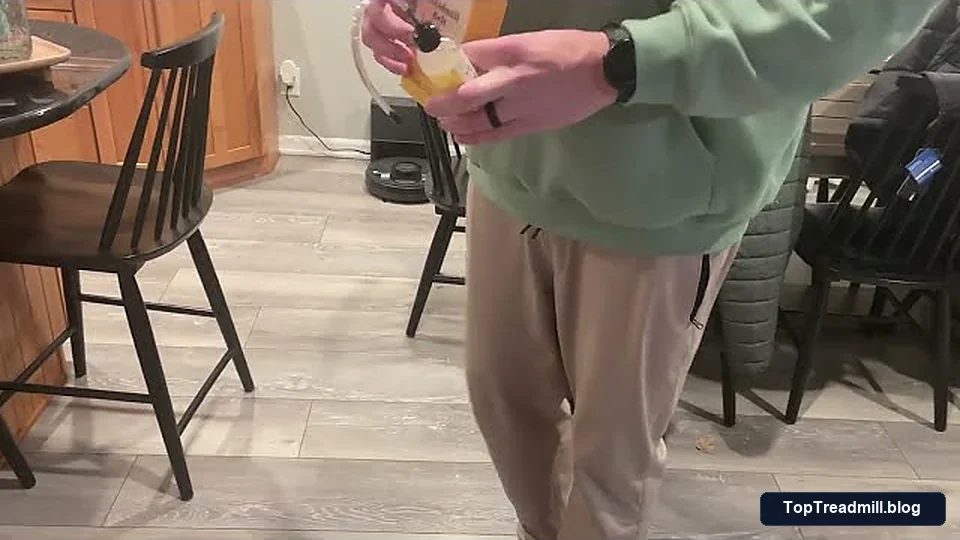
Turn both left and right rear bolts clockwise in exact quarter-turn increments if the belt slips under foot pressure. Misaligned belts require uneven adjustments to guide the running surface back centrally.
After oiling, run the walking pad at a slow speed of 1 mph. Adjust the rear roller bolts using a hex wrench if the belt drifts sideways.
When maintaining units from our best under desk walking pads guide, proper belt tension prevents dangerous slippage. Turn both rear bolts clockwise by exactly one-quarter turn increments if hesitation occurs.
- Use correct hex wrench for bolts
- Turn bolts quarter-turn at a time
- Measure gap symmetry on sides
- Test walk cautiously after tuning
Correcting Lateral Belt Drift
If the running belt drifts toward the left rail during operation, tighten the left bolt slightly. This mechanical counter-adjustment shifts the alignment back to the exact center of the walking deck.
- Observe drift direction during test
- Adjust corresponding tension bolt
- Allow time for belt to react
Troubleshooting Post-Lubrication Issues
Excessive slipping immediately after lubrication usually indicates that silicone leaked onto the top walking surface or drive belt. Clean any accidental surface residue thoroughly using a mild isopropyl alcohol solution.
If the motor still struggles or emits a burning odor, inspect the internal control board for thermal overload. Persistent electrical resistance points toward worn bearings rather than simple deck friction problems.
If the belt slips excessively after application, you likely used too much oil. Wipe excess residue from the drive roller and underside using a dry, clean microfiber towel.
Burning smells indicate friction or electrical overload. Immediately power down the unit, check for trapped debris, and verify that the lubricant viscosity matches manufacturer specifications.
- Clean top belt surface with alcohol
- Check drive belt tension underneath
- Inspect motor housing vents regularly
- Verify electrical connections securely
Addressing Persistent Noise Anomalies
Squeaking sounds that persist after lubrication typically originate from loose motor mount bolts or frame joints. Tighten all exterior chassis fasteners securely to eliminate resonant rattling during office workouts.
- Check frame bolt torque ratings
- Inspect motor housing for cracks
- Listen for internal bearing grind
Establishing a Long-Term Maintenance Schedule
Create a consistent preventive maintenance calendar based on your daily step count and active usage hours. Most office walking pads require oil replenishment every three months or fifty miles of use.
Keep a dedicated maintenance log near your workspace to track lubrication dates and belt tension adjustments accurately. Proactive care significantly extends the operational lifespan of your compact under-desk fitness equipment.
Apply fresh silicone oil every 30 hours of use or roughly every three months for moderate walkers. Heavy daily office usage requires monthly maintenance cycles.
Keep a physical maintenance log near your desk workspace. Tracking usage hours ensures you never miss a vital lubrication window and extends your equipment lifespan.
- Track weekly step counts diligently
- Mark calendar reminders for oil
- Store silicone lubricant safely away
- Inspect monthly for early wear
Environmental Factors in Offices
Office environments often feature low humidity and high carpet dust concentrations that accelerate lubricant breakdown. Vacuum underneath your walking pad bi-weekly to prevent carpet fibers from contaminating the internal deck components.
- Vacuum under chassis frequently
- Control room dust levels daily
- Check humidity ranges in office
Frequently Asked Questions
How often should I lubricate my walking pad?
You should apply fresh silicone lubricant every three months or approximately every fifty miles of active walking. Establishing this strict preventive maintenance routine prevents sudden electrical failures and ensures your compact walking pad operates smoothly during long office hours.
Heavy daily use always requires much more frequent friction checks to avoid permanent mechanical damage to the internal motor components.
Can I use standard WD-40 to oil my walking pad?
Never use standard WD-40 or petroleum-based products on your walking pad running belt or composite deck. These chemical solvents instantly degrade the internal rubber compounds and cause irreversible structural delamination of the material.
Always purchase 100 percent pure silicone oil specifically formulated for fitness equipment to maintain proper warranty coverage and long-term mechanical integrity.
What happens if I apply too much silicone oil?
Applying excessive silicone oil causes the fluid to spill over the sides onto your office floor, creating a dangerous slipping hazard. Furthermore, pooled lubricant attracts heavy dust and debris that eventually gums up the motor pulley.
If you accidentally over-lubricate, thoroughly wipe away the excess fluid with a clean microfiber cloth and run the belt slowly.
How do I know when my walking pad needs oil?
Your walking pad typically needs lubrication when you notice increased friction, faint squeaking noises, or momentary belt stalls under your feet. Running your fingers under the belt edge should reveal a slightly greasy feel.
If the underside feels completely dry or dusty, immediately apply a fresh dose of pure silicone to protect the motor.
Do walking pads without remote controls need different oiling?
Walking pads controlled via smartphone apps or console buttons follow the exact same mechanical lubrication principles as remote models. The internal drive systems and composite decks rely on identical friction reduction methods for safe operation.
Always consult your specific manufacturer user manual to confirm exact volume recommendations and access panel locations before starting any maintenance.