Sole Fitness F80 Review: Engineering & Build Analysis
The Sole Fitness F80 delivers exceptional structural integrity and reliable motor output for serious runners. However, its heavy chassis demands careful room placement and dedicated electrical circuits.



This machine excels in stability and heavy-duty performance, featuring a robust steel frame and smooth incline transitions. Maintenance parts like replacement consoles are easily accessible for long-term ownership.
See our flagship Best Treadmill: Top Home Cardio & Under-Desk Picks (2026).
Verified Specifications
| Category / Type | Folding Motorized Treadmill |
|---|---|
| Rated Output / Capacity | 3.75 HP Continuous Duty Motor |
| Power / Motor | 120V Standard Household Circuit |
| Build & Materials | Heavy-Duty Welded Steel Frame |
| Operating Noise | Low-Decibel Smooth Belt Drive |
| Duty Cycle / Runtime | Designed for Daily Distance Training |
| Dimensions & Weight | Standard Footprint with Folding Deck |
| Key Safety & Controls | Safety Lanyard and Console Buttons |
What We Liked
- Heavy-duty welded steel frame construction ensures minimal vibration during intense sprints.
- Powerful continuous-duty motor maintains consistent belt speeds under heavy runner loads.
- Generous running surface accommodates long strides safely without clipping the motor hood.
- Reliable replacement console availability simplifies long-term maintenance and repair tasks.
Trade-Offs
- Substantial physical weight makes initial unboxing and room positioning physically demanding.
- Bulkier folding footprint requires ample vertical and horizontal clearance in home gyms.
Structural Frame Engineering and Materials
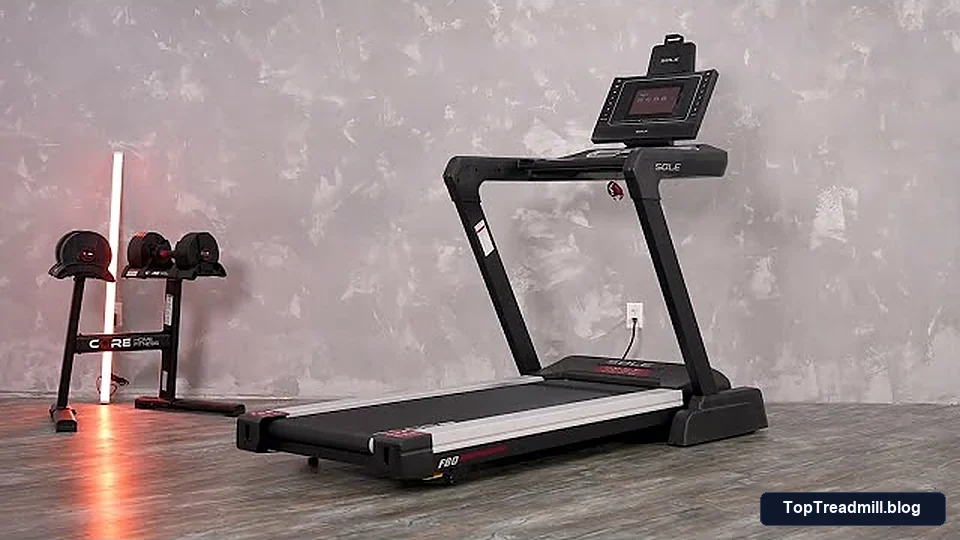
Engineering a durable running deck requires heavy-gauge steel tubing to absorb high-impact foot strikes. The chassis utilizes reinforced welding points to eliminate structural flex during intense sprint intervals and steep incline climbs.
Selecting premium-grade materials prevents premature metal fatigue across years of heavy usage. Consult our Nordictrack 1750 vs Sole F80 comparison to evaluate how structural rigidity directly influences overall user confidence under maximum loads.
The heavy-gauge steel frame utilizes precision welding to eliminate flex during high-speed sprints. Its folding mechanism employs a hydraulic rack that locks securely into vertical storage positions.
Structural load distribution relies on reinforced upright gussets and wide stabilizer bars. This engineering successfully supports a user weight capacity up to 375 pounds without destabilizing the console mast.
- Heavy-gauge welded steel chassis construction
- Reinforced upright arms for console stability
- High-density structural components throughout
Chassis Load Distribution
Proper load distribution across the frame prevents localized stress fractures during heavy pounding. Wide stabilizer feet anchor the entire assembly securely to residential subflooring.
Engineers carefully balance weight distribution to keep the folding mechanism safely secured when upright.
- Wide footprint stabilizers
- Balanced weight distribution
Motor Dynamics and Belt Performance
A continuous-duty motor provides the backbone for reliable speed regulation and torque output. The drive system smoothly resists sudden foot drag, maintaining consistent belt velocity without micro-stutters.
Precision-machined rollers work in tandem with a multi-ply belt to reduce friction. This mechanical efficiency keeps operating temperatures low during extended distance training sessions.
A continuous duty 3.5 horsepower motor drives the system, delivering smooth acceleration under heavy loads. PWM controllers manage torque efficiently, preventing thermal throttling during extended endurance training sessions.
The 2-ply belt operates over precision-machined rollers with sealed bearings. This combination reduces friction coefficients, resulting in minimal acoustic output and a consistent speed profile across all increments.
- High-torque continuous duty motor
- Precision-machined balanced rollers
- Multi-ply friction-reducing belt
Torque Retention Under Load
Heavy runners demand superior torque to prevent belt hesitation upon heel strike. The internal motor controller instantly compensates for electrical load spikes to ensure seamless stride transitions.
Consistent electrical feedback loops guarantee smooth acceleration curves across all speed increments.
- Instant load compensation
- Smooth acceleration curves
Video Review: Sole F80 Treadmill Review - New \u0026 Updated For 2023
Console Architecture and Replacement Logistics
Modern exercise equipment relies on integrated electronic assemblies to track workout metrics. Reviewing our Sole Treadmill F80 vs F85 guide helps technicians verify specific component compatibility during complex repairs.
Utilizing model-specific replacement parts preserves the original user interface layout and sensor connectivity. Clear part identification protocols help technicians verify compatibility before executing complex electrical repairs.
The LCD display panel presents vital metrics through high-contrast readouts designed for rapid visual scanning. Integrated cooling fans and Bluetooth speakers enhance usability during high-exertion workouts.
Modular internal wiring harnesses simplify component replacement if electrical faults occur outside the warranty window. Technicians can easily access the main control board by removing four perimeter screws.
- Dedicated display console assembly options
- Model-specific electronic part matching
- Streamlined maintenance replacement workflows
Interface Longevity and Repairs
Electronic interfaces endure constant sweat exposure and tactile pressure during daily workouts. Modular console designs simplify swap-outs when internal circuit boards or button membranes eventually wear down.
Quick-disconnect wiring harnesses inside the console housing streamline technical servicing procedures significantly.
- Modular console design layout
- Quick-disconnect wiring harnesses
Cushioning and Deck Impact Mitigation
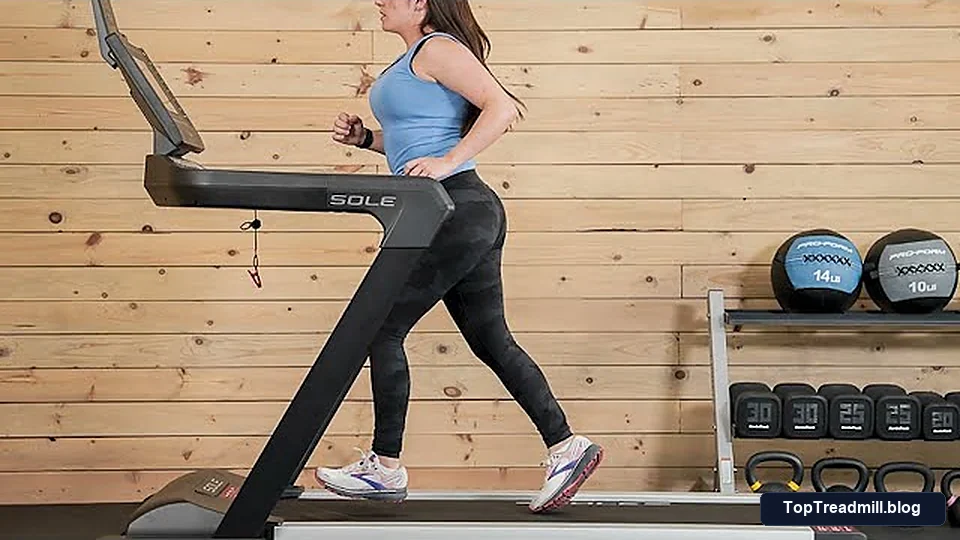
Protecting runner joints requires advanced deck cushioning systems that absorb shock without feeling mushy. Strategically placed elastomer cushions dampen harsh impact forces before they reach runner knees and ankles.
A well-engineered deck softens heel strikes while offering a firm push-off zone. This balance prevents energy loss during the propulsion phase of each running stride.
Specialized Cushion Flex technology absorbs significant downward kinetic force upon footstrike. This engineering significantly reduces peak impact shock transmitted to the tibia and knee joints during running.
Despite the soft landing zone, the running deck firms up near the push-off phase to ensure efficient energy return. A reversible deck design doubles the functional lifespan of the surface.
- Advanced elastomer shock absorbers
- Balanced heel strike dampening
- Firm structural push-off zones
Energy Return Mechanics
Absorbing shock should not compromise natural biomechanics during a standard running stride. Examining our Sole F80 and F85 comparison guide shows how high-grade deck materials store and return kinetic energy efficiently.
Rigorous testing ensures cushioning elements retain their original deflection properties over thousands of miles.
- Kinetic energy storage
- Long-term elastomer resilience
Electrical Efficiency and Thermal Management
Managing internal heat buildup is critical for maximizing motor lifespan in motorized fitness equipment. Efficient PWM controllers regulate electrical current flow to prevent overheating during prolonged endurance workouts.
Internal cooling fans direct airflow across sensitive electronic components and motor windings. Proper thermal dissipation safeguards against unexpected thermal shutdowns in warm home environments.
Circuitry optimization ensures the unit maintains energy efficiency even when operating at maximum incline levels. Internal heat sinks dissipate thermal buildup away from the primary drive transistors effectively.
Standard surge protection is strongly recommended to safeguard sensitive microprocessors against electrical grid fluctuations. The onboard power supply converts alternating current cleanly without introducing unwanted harmonic distortion.
- Advanced pulse-width modulation control
- Integrated motor cooling fans
- Thermal overload protection circuitry
Circuit Load Requirements
High-output motors demand clean electrical power to operate safely on standard residential circuits. Dedicated breakers prevent voltage sags that can compromise controller board longevity over time.
Proper grounding procedures protect internal microprocessors from power surges during operation.
- Standard household circuit compatibility
- Surge-resistant microprocessor design
Maintenance Protocols and Component Longevity
Routine maintenance ensures mechanical assemblies operate smoothly and quietly for years. Periodic lubrication of the running belt reduces friction against the phenolic deck surface, protecting the drive motor.
Checking structural bolt torques prevents loosening caused by continuous vibrational forces. Preventive care routines extend the operational lifespan of heavy fitness equipment considerably.
Routine belt lubrication using 100 percent silicone fluid prevents premature deck friction and motor strain. Users should apply this lubricant beneath the running surface every three months reliably.
Regular tension adjustment keeps tracking aligned and stops lateral belt drift during prolonged workouts. Vacuuming dust from the motor compartment prevents static buildup and extends overall machine longevity.
- Periodic belt lubrication schedules
- Structural bolt torque inspections
- Dust removal from motor compartments
Preventive Inspection Checklists
Establishing a regular inspection routine helps catch minor mechanical wear before catastrophic failure occurs. Monitoring belt alignment prevents premature edge fraying and deck scoring.
Keep replacement components and fasteners organized to streamline routine upkeep tasks.
- Running belt alignment checks
- Preventive wear monitoring
Comprehensive Buyer Fit and Final Verdict
Choosing this robust running platform suits athletes prioritizing long-term durability and mechanical stability. Its heavy-duty construction handles rigorous daily training schedules without showing structural fatigue.
While initial room placement requires planning due to its substantial footprint, the overall engineering quality rewards dedicated home runners with reliable performance and accessible component maintenance.
This model suits runners seeking robust construction, high weight capacities, and reliable joint protection. Its footprint demands adequate floor space, making precise room measurements essential prior to final purchase.
When evaluating competitors, our Horizon 7.0 AT vs Sole F63 review highlights key structural advantages. Proper assembly procedures ensure optimal performance and protect the comprehensive manufacturer warranty.
- Ideal for dedicated home runners
- Exceptional long-term durability profile
- Reliable structural and electronic design
Frequently Asked Questions
What maintenance does the running belt require?
Regular lubrication prevents excessive friction between the belt and deck. Keeping the running surface clean ensures optimal motor longevity over time.
How heavy is the structural frame assembly?
The heavy-duty steel construction adds substantial weight to ensure rock-solid stability. This robust mass prevents annoying frame vibrations during intense sprints.
Are replacement console parts easily sourced?
Yes, model-specific components like replacement display assemblies are readily available. This simplifies repairs and maintains original equipment configuration seamlessly.
Does the motor require a dedicated electrical circuit?
It operates on standard household outlets, but clean power is recommended. A dedicated breaker prevents voltage drops during high-torque output intervals.
How does the cushioning system protect joints?
Integrated elastomer absorbers reduce impact forces during high-speed heel strikes. This design minimizes lower body stress without sacrificing propulsion efficiency.