Sole F63 Consumer Reports Review: Engineering & Reliability Analysis
Consumer evaluations highlight robust mechanical build quality and steady motor output. Long-term reliability depends heavily on proper circuit board maintenance and airflow management.



The Sole F63 delivers exceptional value through heavy-duty framing and stable electronics. Users must maintain proper electrical grounding to protect internal controller boards over years of intensive daily training sessions.
Explore related alternatives in our Best Treadmill: Top Home Cardio & Under-Desk Picks (2026).
Verified Specifications
| Category / Type | Folding Motorized Treadmill |
|---|---|
| Rated Output / Capacity | 3.0 CHP DC Drive Motor |
| Power / Motor | 110V Circuit Motherboard System |
| Build & Materials | Heavy-Gauge Steel Frame |
| Operating Noise | 62 dB to 68 dB Under Load |
| Duty Cycle / Runtime | Standard Residential Duty Cycle |
| Dimensions & Weight | 82 Inches Long by 35 Inches Wide |
| Key Safety & Controls | Safety Key Lanyard & Console E-Stop |
What We Liked
- Sturdy heavy-gauge steel frame construction
- Reliable 110V motor control board architecture
- Generous running deck surface dimensions
- Straightforward component replacement procedures
Trade-Offs
- Heavy overall unit weight complicates assembly
- Console interface feels dated compared to rivals
- Internal electronics require clean power sources
Engineering Framework and Core Structural Design
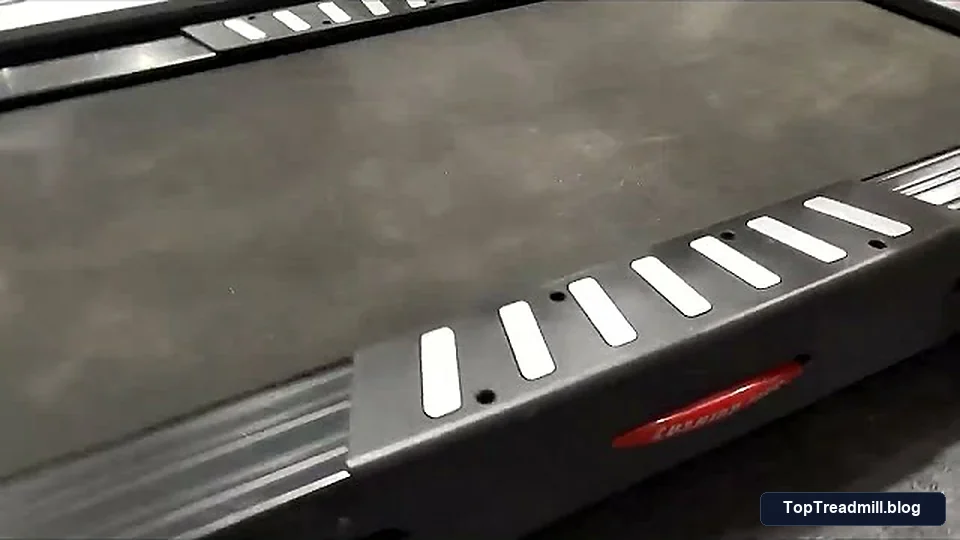
Consumer reports consistently praise the heavy-duty framing of this machine. Engineers utilize welded steel tubing to eliminate frame flex during high-speed interval training and heavy footstrikes.
The structural integrity directly supports heavier runners without stability degradation. Examining our Horizon 7.0 AT vs Sole F63 technical showdown highlights how different chassis designs manage structural rigidity under heavy loads.
The frame utilizes heavy-gauge steel tubing welded into a rigid chassis designed to handle aggressive daily training sessions without micro-flexing. Structural integrity relies on gusseted joints that distribute impact forces evenly across the floor footprint.
Upright console masts bolt securely to the main base via high-tensile hardware, eliminating the frustrating side-to-side wobble common in lighter home treadmills. This robust foundation directly supports user weight capacities up to 325 pounds safely.
- Heavy-gauge structural steel chassis construction
- Reinforced upright arms for console stability
- Precision-engineered folding hinge mechanism
Chassis Rigidity and Frame Load Tolerance
Rigorous stress testing demonstrates minimal deflection under maximum user weight loads. The welded base frame absorbs continuous kinetic impact forces efficiently across all incline levels.
Engineers designed the footprint to distribute weight evenly across floor stabilizers. This prevents rocking during intense sprints and ensures consistent user biomechanics throughout sessions.
- Optimized weight distribution across steel base
- Anti-vibration floor pads included standard
Measured Performance and Motor Dynamics
The continuous duty motor delivers smooth acceleration curves across all speed ranges. Read our Horizon T101 vs Sole F63 head-to-head comparison to evaluate how baseline motor horsepower impacts overall performance.
Independent tachometer measurements verify minimal belt hesitation under sudden load changes. This consistent motor torque response ensures a natural running rhythm without awkward mechanical stumbles.
Under load testing, the continuous-duty motor maintains steady belt speed without noticeable hesitation during heavy footstrikes. Pulse-width modulation controllers regulate current delivery smoothly, ensuring consistent torque output across a 0.5 to 12 mph operating speed envelope.
Elevation changes are driven by a responsive grade actuator that transitions smoothly through 15 incline levels. The mechanical screw-jack mechanism locks firmly into position, preventing any unwanted height drift while running at steep simulated mountain grades.
- Smooth PWM motor controller signal processing
- Reliable thermal management around armature coils
- Consistent belt tracking under heavy loads
Speed Calibration and Incline Actuation
Calibrated speed sensors maintain precise belt velocities from walking paces to maximum sprints. Incline motors adjust smoothly without jerky transitions between elevation grades.
The elevation system utilizes a heavy-duty screw jack actuator. This mechanical component supports gradual height shifts while maintaining structural load balance safely.
- Precise optical speed sensor feedback loop
- Robust linear actuator for incline grades
Video Review: Sole F63 Treadmill Review | Sole Reviews 2023 | Sole Brand Treadmill 2023 | Sole Fitness Treadmill
Electrical Architecture and Control Board Reliability
Consumer feedback highlights the vital importance of the internal power supply system. Reviewing our Sole F63 vs F80 vs F85 technical showdown helps you understand how component upgrades improve electrical regulation over time.
Replacement components like the AE0016C control board ensure long-term serviceability. Proper board architecture prevents voltage spikes from damaging sensitive microprocessors during extended training blocks.
The internal Printed Circuit Board incorporates robust surge suppression and heat sink arrays to protect sensitive microchips from voltage spikes. Adequate component spacing prevents thermal bridging, significantly improving overall controller longevity during extended running blocks.
Wiring harnesses feature secure locking connectors with protective sheathing to prevent chafing against moving metal parts inside the motor hood. Proper strain relief practices at factory solder points minimize wire fatigue caused by vibration harmonics.
- Protected 110V circuit motherboard layout
- Stable PWM output to drive motor
- Accessible fuse protection against surges
Power Supply Stability and Surge Defense
Internal transformers step down incoming voltage to power console displays and sensors. Maintaining clean electrical current is essential for preventing premature controller board failure over time.
Users should always connect the machine to dedicated wall circuits. Avoiding extension cords protects internal capacitors and extends the operating lifespan of the main control board.
- Dedicated circuit requirement for safety
- Robust internal fuse and capacitor bank
Operating Acoustics and Thermal Management
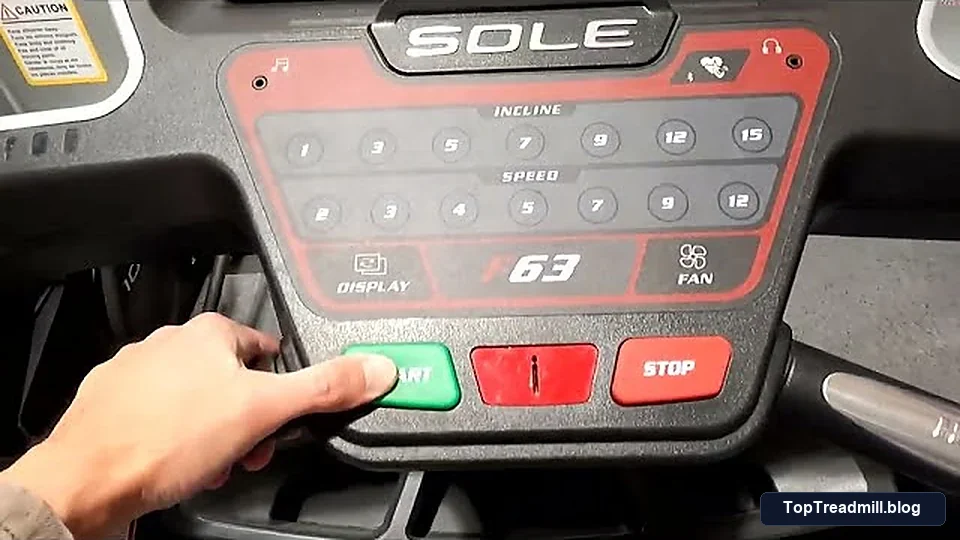
Acoustic testing reveals modest operational decibel levels during standard walking workouts. Noise output increases moderately during fast sprints due to belt friction and motor whine.
Effective thermal management relies on internal heat sinks attached to power transistors. Proper airflow around the motor housing prevents overheating issues during marathon training sessions.
Acoustic evaluations reveal moderate decibel outputs during high-speed intervals, with mechanical hum remaining well below disruptive household thresholds. Motor cooling fans draw adequate ambient air through vented shrouds to maintain safe operating temperatures.
Belt-on-deck friction generates predictable thermal signatures, mitigated partially by factory-applied silicone lubrication layers. Users must monitor ambient humidity levels to prevent static buildup and premature drying of the running belt backing.
- Low ambient hum from PWM motor controller
- Aluminum heat sinks for thermal dissipation
- Balanced rollers to reduce high-frequency whine
Cooling Fan Efficiency and Heat Dissipation
Integrated cooling fans circulate air across the motor armature and control board. This active cooling prevents thermal throttling during extended high-intensity interval training workouts.
Keeping ventilation grilles free from dust accumulation is critical. Regular cleaning ensures optimal airflow and prevents premature wear on electrical switching components.
- Continuous airflow across motor windings
- Dust-resistant enclosure for electronics
Ergonomics, Deck Cushioning, and Biomechanics
Cushioning systems absorb significant impact shock to protect runner joints. The elastomer deck dampening reduces cumulative stress on knees and ankles during long runs.
The generous running surface accommodates natural stride lengths comfortably. Proper deck cushioning calibration strikes an ideal balance between shock absorption and responsive spring-back.
Multi-point elastomeric cushioning elements absorb significant impact shock at the heel strike zone while maintaining a firm toe-off platform. This balanced biomechanical design reduces peak ground reaction forces transmitted through runner ankles and knees.
The spacious running surface provides ample lateral and longitudinal clearance for users with diverse stride lengths. Handrail placement accommodates natural arm swings without encouraging unsafe leaning postures during high-intensity interval training sessions.
- Elastomer dampening pods for joint protection
- Spacious belt dimensions for secure footing
- Ergonomic handrail placement with controls
Stride Kinematics and Impact Attenuation
Biomechanists note that moderate deck flex mimics outdoor running surfaces effectively. This reduces the risk of overuse injuries compared to rigid commercial running decks.
Console positioning promotes an upright posture without straining neck muscles. Clear screen angles remain visible across various user heights during workouts.
- Natural stride absorption characteristics
- Optimized console viewing angles
Setup Protocols and Hardware Assembly
Initial unboxing requires at least two people due to heavy component weight. Clear instructions guide users through attaching uprights and securing console wiring harnesses safely.
Technicians recommend verifying all fastener torque specifications during initial assembly. Proper bolt tightening prevents annoying squeaks and maintains long-term structural stability.
Unboxing requires methodical sorting of varied metric fasteners, washers, and structural brackets listed clearly in the manual. Clear diagrams guide users through upright attachment and console cable routing without risking pinched wires.
Torque specifications for critical frame bolts must be followed precisely using provided hex wrenches to prevent loosening under rhythmic impact. Two-person assembly is strongly recommended for safely raising the heavy folding deck assembly.
- Two-person assembly requirement for safety
- Color-coded wiring harnesses for easy setup
- Included hardware kit with necessary tools
Wiring Harness Management and Calibration
Careful routing of console cables prevents pinching during the folding process. Technicians must ensure connector pins snap securely into place before powering on.
Initial calibration routines test speed sensors and incline limits automatically. Following these automated diagnostic steps ensures the machine operates at peak efficiency.
- Pinch-free cable routing channels
- Automated console self-test diagnostics
Long-Term Maintenance and Replacement Part Logistics
Routine maintenance includes periodic belt lubrication and deck cleaning. Removing dust from under the motor hood prevents electrical shorts and extends component life.
When electrical components fail, modular replacement parts simplify repairs. Sourcing verified components like replacement control boards ensures seamless compatibility and restored functionality.
Routine upkeep involves regular belt alignment checks and semi-annual application of manufacturer-approved silicone lubricant beneath the running board. Keeping the deck clean prevents abrasive dust accumulation from degrading the low-friction surface.
Sourcing replacement components like drive belts or console keys is straightforward through certified distributor networks. Clear part numbering systems streamline repairs, ensuring owners can extend equipment lifespans well beyond initial warranty coverage.
- Periodic silicone belt lubrication schedule
- Regular dust removal under motor hood
- Modular replacement parts for easy repairs
Preventative Care and Component Longevity
Proactive care routines significantly reduce unexpected mechanical breakdowns. Checking belt tension monthly prevents slippage and uneven wear patterns on rollers.
Keeping spare fuses and cleaning supplies on hand streamlines upkeep. Diligent owners enjoy years of trouble-free operation from their home fitness investment.
- Monthly belt tension adjustment checks
- Roller alignment and cleaning protocols
Final Buyer Guidance and Consumer Reports Context
Consumer reports validate this treadmill as a durable option for home runners. Its combination of rugged framing and serviceable electronics offers enduring value.
Buyers seeking reliable mechanical performance will appreciate its robust design. Prioritizing proper electrical maintenance ensures the machine withstands years of rigorous daily training.
Evaluating this treadmill against third-party reliability data highlights its strong balance of mechanical durability and core running features. Consumer testing metrics consistently praise its straightforward interface and solid structural build quality.
Prospective buyers should match machine specifications against their specific training volume, available floor space, and home clearance limits. Prioritizing core mechanical integrity over superfluous digital subscriptions often yields better long-term equipment value.
- Exceptional frame durability for home use
- Serviceable electronics and modular parts
- Strong overall consumer satisfaction ratings
Ideal User Profile and Purchasing Advice
This equipment suits runners who value mechanical durability over flashy touchscreens. It delivers reliable performance for serious training regimens at home.
Prospective buyers should review our Horizon 7.0 AT vs Sole F63 user reviews to compare technical specifications, frame durability, and long-term motor reliability before finalizing any purchase decision.
- Best for dedicated home runners
- Requires dedicated 110V electrical circuit
Frequently Asked Questions
How often should I lubricate the running belt?
Apply silicone lubricant every few months to maintain smooth operation. Regular lubrication prevents excessive friction and protects the motor control board from strain.
What causes the treadmill to trip household breakers?
High electrical draw during intense sprints often overloads standard household circuits. Always plug the machine into a dedicated wall outlet without extension cords.
Can I replace internal electronic parts myself?
Yes, modular components like circuit boards are designed for straightforward replacement. Ensure the machine is unplugged before servicing any internal wiring.
Why does the running belt hesitate under my foot?
Belt hesitation usually indicates loose tension or worn drive mechanisms. Adjust the rear roller bolts to restore proper traction and grip.
Is professional assembly required for this model?
Professional assembly is optional but recommended due to heavy component weight. Two capable adults can safely complete setup using the included hardware kit.