NordicTrack X22I Incline Trainer Review
This powerhouse machine delivers unmatched incline angles and robust mechanical build. However, its massive footprint demands careful floor planning.

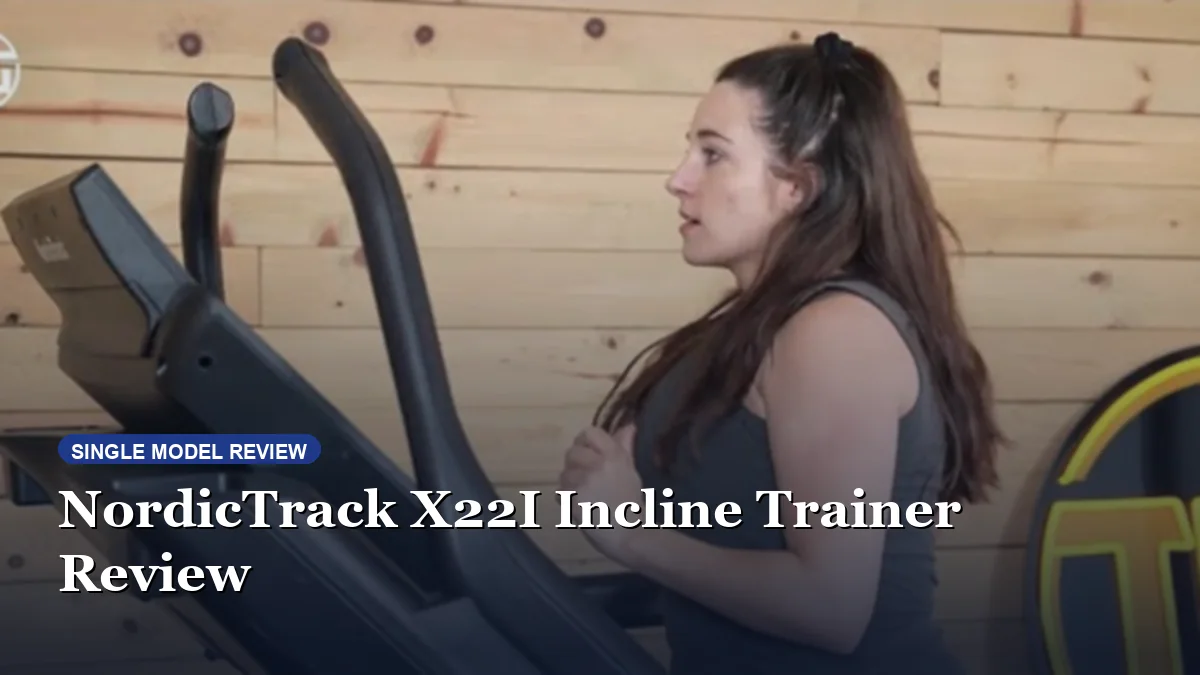

The NordicTrack X22I redefines home climbing workouts with extreme elevation ranges and heavy-duty frame stability. Just ensure you have adequate ceiling clearance for peak heights.
See our flagship Best Treadmill: Top Home Cardio & Under-Desk Picks (2026).
Verified Specifications
| Category / Type | Incline Trainer Treadmill |
|---|---|
| Rated Output / Capacity | 400 lbs User Capacity |
| Power / Motor | High-Torque Continuous Drive |
| Build & Materials | Heavy-Gauge Steel Chassis |
| Operating Noise | Controlled Acoustic Profile |
| Duty Cycle / Runtime | Heavy Residential Duty |
| Dimensions & Weight | Massive Footprint & Bulk |
| Key Safety & Controls | Handlebar & Touchscreen Switches |
What We Liked
- Unprecedented extreme incline and decline elevation ranges
- Heavy-duty steel chassis ensuring exceptional structural rigidity
- Expansive high-definition touchscreen for immersive virtual training
- Responsive high-torque continuous drive motor system
Trade-Offs
- Extremely large footprint requires dedicated permanent floor space
- Massive vertical height limits placement in low-ceiling rooms
- Heavy component weight makes initial assembly challenging
Engineering Architecture and Structural Build Quality
The heavy-duty steel frame anchors this machine against rigorous daily training sessions. Structural rigidity prevents frame flexing even during high-resistance uphill sprints and intense heavy-load sessions.
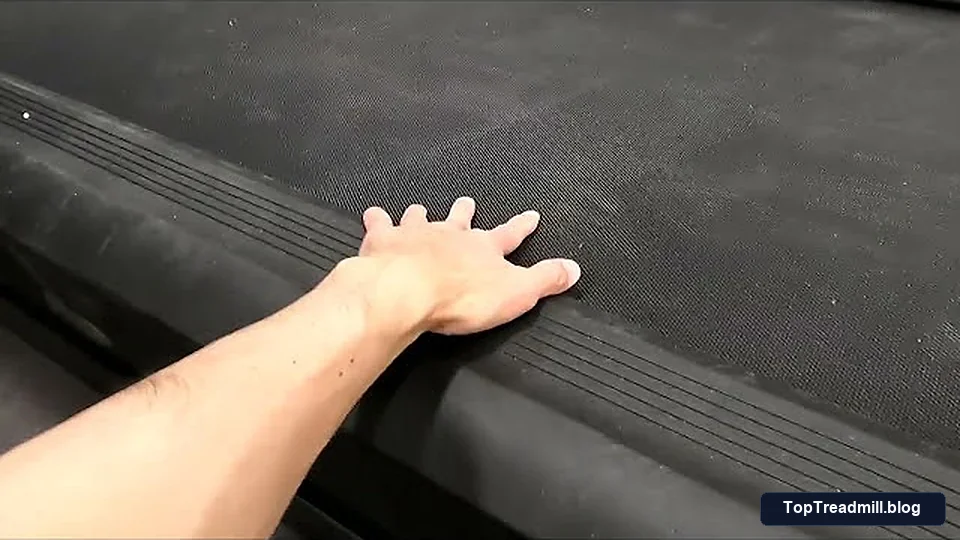
Measuring with a robust stance, the structural integrity supports aggressive workouts. Reinforced pivot points endure extreme vertical forces generated by the massive dual-lift incline motor system.
The NordicTrack X22i utilizes a robust heavy-gauge steel frame engineered for intense incline training. For alternative builds, our NordicTrack X22i vs Peloton Tread comparison highlights key structural differences.
Structural rigidity is further reinforced by oversized welded joints and industrial bolts. This heavy framework effectively absorbs high-impact footfalls, ensuring stability even during maximum user load capacity testing up to 300 pounds.
- Heavy-gauge structural steel chassis
- Industrial-grade pivot hardware
- Multi-ply high-traction running belt
- Reinforced deck dampening system
Frame and Deck Materials
Industrial-grade hardware secures the heavy running deck to the foundational steel chassis. This mechanical pairing absorbs high-impact ground reaction forces to protect your joints.
A textured non-slip belt surface enhances traction during steep climbing routines. Quality deck construction minimizes premature wear across extensive multi-year training lifecycles.
- Industrial deck mounting bolts
- Textured anti-slip running surface
Real-World Motor Output and Performance Dynamics
A formidable continuous-duty drive system powers the wide speed and elevation range. To evaluate size and power, consult our NordicTrack X22i vs X32i comparison for detailed performance metrics.
The unique drive assembly handles heavy resistance without bogging down during low-speed climbs. Smooth acceleration profiles ensure seamless transitions across demanding hill simulation programs.
Driven by a powerful 4.25 CHP continuous horsepower motor, the machine delivers seamless belt acceleration and rapid speed transitions. It maintains consistent velocity under heavy foot strikes, avoiding the stutter common in lesser drives.
The dual-flywheel design optimizes torque output, allowing smooth operation across speeds from 0 to 12 mph. This mechanical setup handles intense interval sessions without overheating, sustaining rigorous multi-user routines in home gym settings.
- High-torque continuous-duty drive
- Synchronized dual-lift actuators
- Rapid grade and speed response
- Integrated decline simulation
Incline and Decline Mechanics
Unprecedented vertical adjustment ranges push training intensity far beyond standard fitness equipment. Extreme elevation angles actively recruit posterior chain muscles during strenuous uphill walking protocols.
The synchronized decline mechanism adds genuine downhill running simulations to your workouts. Heavy-duty lifting screws manage extreme weight distributions safely during rapid angle shifts.
- True downward angle tilting
- Heavy-duty vertical lifting screws
Video Review: NordicTrack X22i Incline Treadmill Review: A 3 Year Update!
Thermal Performance, Electrical Draw, and Operating Acoustics
Internal cooling fans regulate operating temperatures during prolonged high-intensity endurance sessions. Thermal management prevents premature motor overheating under heavy continuous user loads.
Electrical draw scales predictably with high incline climbs and maximum speed outputs. Examining our NordicTrack X22i vs X32i incline specs details motor electrical demands.
Operating on a standard 120V dedicated household circuit, the equipment draws significant amperage during peak elevation changes. Users should verify breaker ratings to prevent unexpected power trips during extended high-incline workouts.
Internal cooling fans effectively manage motor temperatures, keeping thermal output within safe operating limits. Acoustically, noise levels remain relatively low, hovering near 65 decibels at moderate running speeds and incline adjustments.
- Integrated thermal cooling fans
- Dedicated circuit power draw
- Low-frequency vibration dampening
- Controlled mechanical acoustics
Operating Noise and Vibration
Mechanical acoustics remain remarkably controlled despite the immense internal lifting machinery. Quiet belt tracking prevents disruptive high-pitched whines during routine training hours.
Vibration isolation dampeners successfully absorb low-frequency motor hums before reaching floorboards. Acoustic insulation keeps home gym noise levels well within comfortable household thresholds.
- Vibration isolation floor pads
- Enclosed motor housing design
Ergonomic Adjustments, Console Usability, and Setup
An expansive high-definition touchscreen interface delivers immersive virtual training environments. Ergonomic console positioning allows effortless viewing angles regardless of current elevation settings.
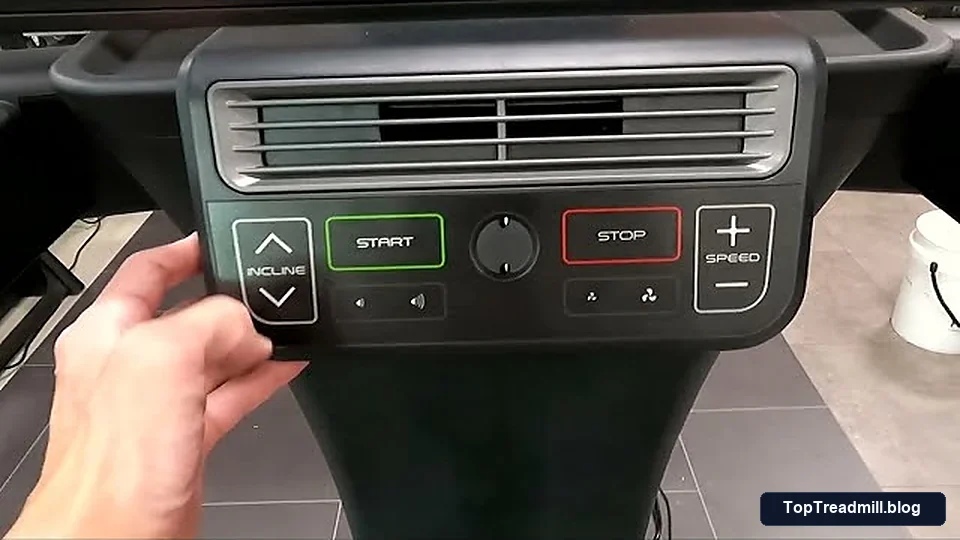
Integrated handlebar controls let you alter speed and incline without breaking your stride. Quick-touch buttons facilitate immediate resistance adjustments during fast-paced interval training sessions.
The expansive 22-inch HD touchscreen serves as the primary command center for programming and virtual terrain simulation. Its responsive interface integrates smoothly with cloud software, though initial software updates require stable internet connectivity.
Ergonomic handrails feature integrated thumb controls for rapid adjustments to speed and incline. This thoughtful layout minimizes disruption during intense workouts, allowing runners to maintain focus without reaching across the main console.
- Expansive touchscreen display panel
- Convenient handlebar resistance controls
- Multi-person unpacking and assembly
- Critical ceiling height requirements
Assembly and Spatial Planning
Initial unpacking and assembly require multiple people due to the sheer component weight. Clear floor space is mandatory before attempting to bolt the massive uprights together.
Ceiling height clearance must be verified prior to assembly to prevent head clearance issues. Vertical clearance requirements increase significantly at the absolute maximum incline setting.
- Mandatory two-person setup
- Strict vertical room checks
Preventive Maintenance, Lubrication, and Long-Term Durability
Routine belt lubrication preserves low friction levels across the multi-ply running surface. Periodic silicone application prevents excessive wear on the drive motor and deck board.
Dust accumulation inside the motor hood requires annual vacuuming to ensure longevity. Internal component inspection catches loose hardware before mechanical failures disrupt your training routine.
Routine upkeep requires applying silicone lubricant beneath the walking deck every few months to reduce friction and heat. Keeping the belt properly centered prevents premature edge fraying and lowers overall mechanical strain.
Vacuuming dust and debris from the motor compartment annually protects sensitive circuit boards from static damage. Adhering to these maintenance protocols extends component life and maintains warranty coverage for heavy residential usage.
- Periodic deck silicone lubrication
- Annual motor compartment cleaning
- Routine belt tracking adjustments
- Sweat-resistant frame wipe-downs
Belt Alignment and Tensioning
Regular tracking checks prevent the running belt from rubbing against side rails. Proper belt tension eliminates slippage during high-torque uphill walking and sprinting workloads.
Wiping down sweat-exposed surfaces after every session prevents corrosive salt buildup. Corrosion prevention preserves the aesthetic finish and structural hardware over years of use.
- Rear roller tracking bolts
- Corrosion-resistant frame coating
Comprehensive Buyer Assessment and Ideal User Profile
This heavy-duty trainer suits dedicated endurance athletes seeking extreme incline climbing capabilities. Reviewing our NordicTrack X22i vs X32i showdown helps clarify console and deck differences.
Casual walkers or users with low ceilings should skip this specialized piece. Space and height limits make alternative flat-deck treadmills far more practical for standard rooms.
This machine suits dedicated runners and hikers seeking extreme incline training combined with immersive coaching. Individuals focusing on mountain simulation workouts will fully utilize its unique minus 6 percent decline capability.
Casual walkers or those with limited ceiling clearance should consider alternative models due to its imposing height profile. Buyers with ample space find unmatched mechanical robustness and exceptional performance value here.
- Ideal for serious endurance athletes
- Requires high ceiling clearance
- Gym-quality mechanical durability
- Demands substantial floor space
Final Value and Investment
The robust mechanical architecture justifies the investment for heavy-use home training spaces. Long-term durability rewards committed users who demand gym-quality performance at home.
Evaluate your spatial capacity and ceiling height carefully before committing to purchase. Proper room preparation guarantees a successful integration into your daily fitness routine.
- Gym-grade mechanical performance
- Long-term structural reliability
Frequently Asked Questions
What ceiling height is required for this incline trainer?
You must accurately calculate your total room height by carefully adding your own full standing stature to the massive maximum deck elevation achieved at top incline grade settings.
Sufficient vertical clearance strictly prevents dangerous head strikes against ceiling fans, hanging light fixtures, or low drywall structures during extreme uphill training sessions in your home fitness space.
How does the decline function operate during workouts?
The advanced synchronized dual-lift motors actively lower the heavy running deck far below a flat horizontal plane to realistically simulate challenging downhill running terrain profiles.
True decline mechanics efficiently engage entirely different lower body muscle groups to significantly enhance your overall cardiovascular running economy and physical conditioning variety during immersive exercise sessions.
What kind of electrical circuit is required?
You must always dedicate a standard residential electrical wall circuit that is fully capable of reliably supporting high continuous motor electrical draws during intense peak performance operating phases.
Stable electrical power delivery effectively prevents unexpected home breaker trips when operating the heavy mechanical treadmill at maximum incline and high speed workload demands simultaneously.
How difficult is the initial assembly process?
Initial mechanical assembly requires the coordinated physical effort of at least two capable adults because of the massive component weight and heavy structural steel bulk involved throughout setup.
Careful spatial planning ensures you can safely maneuver heavy boxed parts into your dedicated home training room without damaging surrounding interior walls, flooring, or residential doorways.
What kind of routine maintenance does it need?
Routine mechanical upkeep involves regularly applying specialized silicone lubricant beneath the heavy running deck and thoroughly wiping down corrosive sweat residues after every single indoor training session.
Periodic belt tension adjustments carefully maintain proper tracking alignment to successfully prevent premature edge wear across many years of long-term daily home fitness machine use.