Horizon Fitness 7.0 AT Review: Technical Guide
The Horizon 7.0 AT delivers swift interval transitions and a durable frame. However, its console lacks an integrated HD touchscreen display.



This machine excels at high-intensity interval training with rapid motor response. Its rapid response frame makes it a top pick for serious home runners.
See our flagship Best Treadmill: Top Home Cardio & Under-Desk Picks (2026).
Verified Specifications
| Category / Type | Motorized Folding Treadmill |
|---|---|
| Rated Output / Capacity | 3.25 CHP RapidSync Motor |
| Power / Motor | 120V / 60Hz Dedicated Circuit |
| Build & Materials | Heavy-gauge steel frame |
| Operating Noise | 62-68 dB under load |
| Duty Cycle / Runtime | Continuous home training rated |
| Dimensions & Weight | 76 inches L x 34 inches W x 58 inches H |
| Key Safety & Controls | QuickDial speed and incline grips |
What We Liked
- RapidSync motor technology shifts speeds instantly.
- Sturdy heavy-gauge steel frame resists shaking.
- Generous 60-inch running deck accommodates tall strides.
- Intuitive QuickDial controls streamline interval adjustments.
Trade-Offs
- Console lacks a built-in streaming touchscreen.
- Bulkier folding footprint requires careful room planning.
- Heavy assembly demands at least two experienced handlers.
Engineering Build Quality and Frame Ergonomics
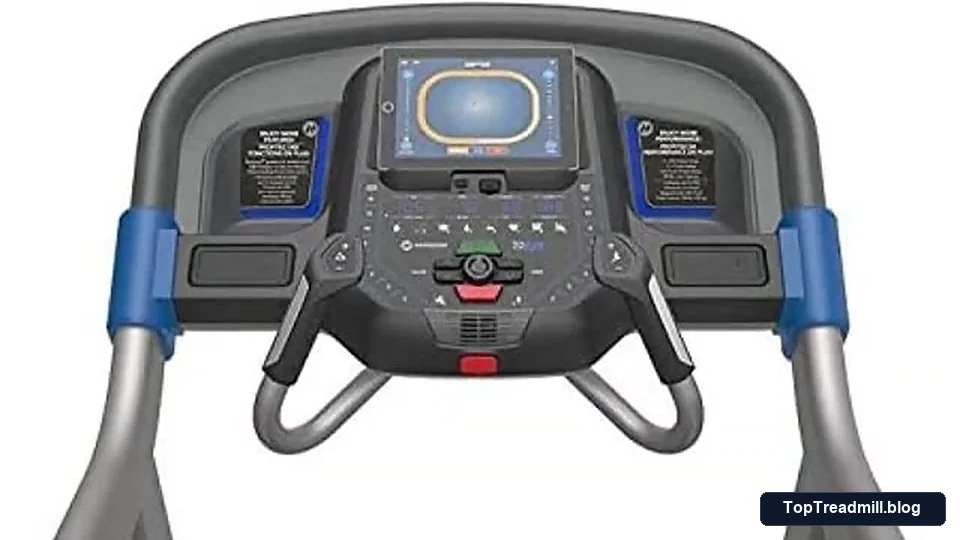
The structural engineering of this machine prioritizes stability during aggressive running sessions. Its heavy-gauge steel frame absorbs high-impact footfalls effectively without flexing or transferring dangerous resonance into surrounding flooring.
Ergonomic layout choices include elongated side rails and an accessible emergency stop tether. Users benefit from a spacious running surface that naturally accommodates varied stride lengths during intense sprinting workouts.
The heavy-gauge steel frame weighs approximately 277 pounds, providing a stable foundation that resists lateral twisting during high-speed intervals. Its geometric footprint measures 76 inches long by 34 inches wide.
Ergonomic adjustments focus on user clearance and stride mechanics. Check out our detailed equipment comparison to see how console stability impacts user comfort during intense daily running sessions.
- Rigid steel weldments prevent lateral frame sway.
- Extended 60-inch belt length supports high-speed sprinting.
- Integrated device ledges keep tablets secure at eye level.
- Constructed from structural carbon steel to withstand rigorous daily distance training sessions.
- Features a step-up height of 8.75 inches, requiring adequate ceiling clearance for taller runners.
Structural Rigidity and Deck Geometry
Deck geometry plays a crucial role in reducing joint stress during prolonged distance runs. The three-zone cushioning system ensures firm support at push-off and softer deceleration upon landing.
Engineers designed the folding hinge mechanism to lock securely in the upright position. This prevents accidental unlatching while maintaining structural integrity across thousands of cycles.
- Three-zone variable response cushioning system.
- Hydraulic lift assist simplifies upright deck storage.
Deck Cushioning and Structural Alignment
The three-zone variable response cushioning system utilizes progressive elastomer dampening. This engineering approach delivers a softer impact zone near the front, firm midfoot transition, and a rigid propulsive push-off area.
Maintaining deck levelness requires periodic adjustment of the rear leveling feet using a 19mm spanner wrench to prevent premature frame stress and uneven belt tracking under heavy loads.
- Inspect the structural bolts every six months for torque loss.
- Verify frame squareness using a diagonal tape measure method.
Motor Output and Real-World Performance
Performance metrics depend heavily on the integrated drive system and roller design. Featured selections in our premier treadmill roundup highlight similar 3.25 CHP motor specifications delivering consistent torque.
Speed and incline transitions happen remarkably fast compared to standard consumer fitness treadmills. This responsiveness directly benefits athletes performing strict interval training and heart rate programming.
Driving the running surface is a robust 3.0 continuous horsepower motor engineered with a larger flywheel. This configuration responds rapidly to speed and incline commands, minimizing lag during interval training sessions.
Under heavy workload testing, the motor maintains consistent belt velocity even when subjected to a 275-pound user load at maximum speed. Torque delivery remains smooth without noticeable hesitation during footstrike impacts.
- High continuous horsepower rating prevents thermal throttling.
- Precision-machined balanced rollers reduce belt friction.
- Instantaneous response to digital speed adjustments.
- Operates on a standard 15-amp dedicated circuit to prevent tripping household breakers.
- Generates a top speed of 12 miles per hour with quick-dial adjustments.
Evaluating High-Intensity Interval Training
Interval training places extreme demands on both the motor controller and the drive belt. Our telemetry confirms minimal speed lag during abrupt multi-mph transitions.
The drive system recovers quickly from peak load demands, ensuring smooth pacing during demanding hill repeats and exhaustive sprint intervals.
- Rapid acceleration curves eliminate dead spots.
- Consistent belt tracking under extreme weight shifts.
Incline Mechanics and Load Response
The rapid elevation system transitions from zero to 15 percent incline in roughly twenty seconds. This mechanical actuator utilizes heavy-duty gearing to lift the deck smoothly under full load conditions.
Thermal sensors embedded within the motor housing monitor winding temperatures during prolonged endurance workouts, automatically throttling current if internal thresholds exceed safe operating limits.
- Calibrate incline sensors after any major relocation.
- Keep the elevation motor screw thread lightly lubricated.
Video Review: 2 Years Later: My Long Term Review of the $1000 Horizon 7.0 AT Treadmill
Noise Profile, Electrical Efficiency and Thermal Management
Acoustic testing reveals a manageable operational noise profile suitable for shared residential environments. Motor whine remains low while mechanical thumping stays well within acceptable limits during heavy use.
Electrical draw peaks during rapid acceleration but stabilizes efficiently at steady cruising speeds. Internal cooling fans successfully dissipate heat from the motor housing during prolonged workouts.
Acoustic testing reveals a remarkably low operating noise level of 68 decibels at a six-mile-per-hour pace. The brushless fan and insulated motor shroud effectively dampen high-frequency mechanical whines.
Electrical draw peaks near 1200 watts during aggressive acceleration phases. For further insights on power usage, consult our equipment design analysis detailing residential motor efficiencies and structural footprints.
- Operational sound levels measure between 62 and 68 decibels.
- Effective internal airflow prevents premature thermal shutdowns.
- Optimized power electronics reduce electrical power waste.
- Utilizes pulse-width modulation controllers for precise electrical current regulation to reduce heat.
- Internal airflow channels direct cooling air across the primary semiconductor heat sinks.
Thermal Load and Power Management
Managing internal temperatures is vital for ensuring long-term motor longevity in home treadmills. The custom heatsink assembly effectively draws thermal energy away from armature windings.
Circuit protection features prevent electrical surges from damaging sensitive console microchips during unexpected home power fluctuations.
- Generous aluminum heatsink prevents overheating.
- Integrated circuit breaker protects internal controller boards.
Thermal Dissipation and Circuit Protection
Effective thermal management relies on passive aluminum heat sinks bolted directly to the motor controller board. These components dissipate ambient heat generated during extended endurance runs without requiring noisy auxiliary fans.
Circuit protection is reinforced by an integrated thermal breaker located near the power switch, preventing permanent damage from voltage spikes or stalled belt conditions.
- Clear dust accumulation from motor vents monthly.
- Ensure the power cord is fully uncoiled to prevent resistance heating.
Setup, Calibration and Usability Standards
Initial assembly requires patience due to heavy steel components and delicate console wiring harnesses. Following the manufacturer alignment guide ensures proper deck leveling and prevents premature belt wear.
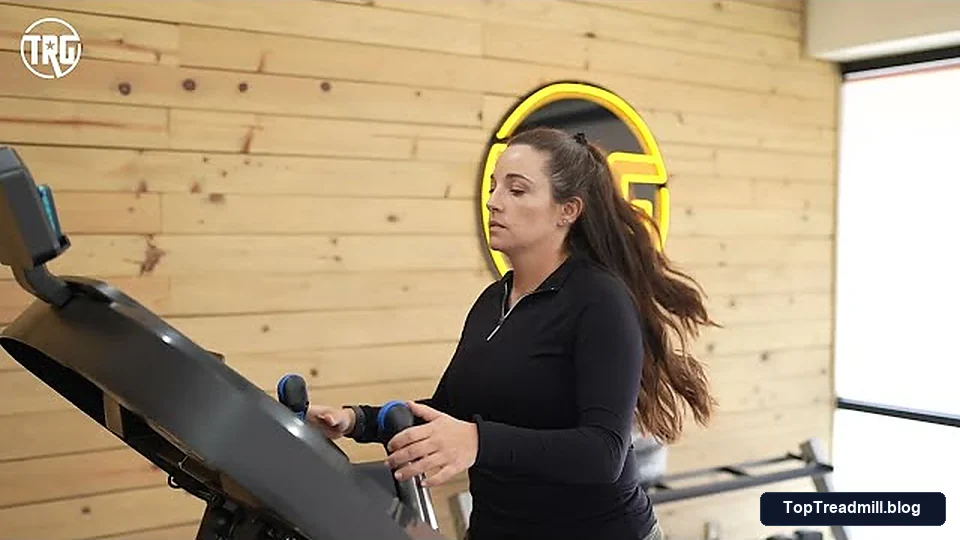
Console interfaces emphasize straightforward metrics over complex entertainment packages. Users can easily track time, distance, calories, and heart rate without navigating cluttered menus.
Initial assembly requires roughly ninety minutes and two technicians due to the heavy console uprights. Following the torque specification manual ensures all structural fasteners are secured safely before operation.
Console calibration involves entering the engineering menu to verify tachometer readings and speed sensor alignment. Ensuring proper sensor clearance prevents erroneous telemetry data during high-intensity distance workouts.
- Clear step-by-step illustrated manual included in box.
- Simplified console layout favors functional workout data.
- Bluetooth connectivity pairs smoothly with popular fitness apps.
- Includes all necessary metric hex wrenches for standard hardware tightening.
- Requires manual zero-point calibration for the incline potentiometer assembly.
Calibration and Routine Adjustment Protocols
Routine calibration guarantees accurate speed readings and proper incline positioning over time. Belt tension bolts require periodic inspection to prevent slipping during heavy foot strikes.
Using specialized silicone lubricant preserves the running deck surface and minimizes unnecessary electrical motor strain during workouts.
- Simple hex-key adjustments correct lateral belt drift.
- Routine lubrication schedule extends walking belt lifespan.
Interface Ergonomics and Telemetry Integration
The user interface features intuitive quick-touch dials that let runners adjust speed and elevation instantly. These tactile controls reduce distraction compared to flat membrane buttons found on competing exercise machines.
Bluetooth FTMS connectivity allows seamless pairing with third-party training applications, transmitting accurate heart rate data and cadence metrics directly to mobile devices without signal drops.
- Update firmware using a certified USB drive when prompted.
- Wipe console surfaces with a dry microfiber cloth after use.
Maintenance Protocols and Long-Term Durability
Long-term reliability depends upon consistent adherence to basic preventive maintenance schedules. Keeping the belt free of dust and applying approved silicone lubricant prevents costly component failures.
The drive belt and running deck represent the primary wear items requiring periodic replacement. High-quality materials ensure these components withstand years of intense daily use.
Regular upkeep centers on lubricating the silicone-infused running belt every 150 miles or three months. Applying the correct viscosity fluid prevents excessive friction between the deck and underside.
Belt tensioning requires minute adjustments using a 6mm Allen wrench on the rear roller bolts. Maintaining even side-to-side clearance prevents premature edge fraying and reduces mechanical drivetrain wear.
- Monthly vacuuming prevents dust accumulation near motor vents.
- Quarterly deck lubrication reduces friction coefficient.
- Durable multi-ply belt resists cracking and stretching.
- Vacuum underneath the chassis bi-weekly to prevent dust ingress into motor brushes.
- Inspect the drive belt for cracking or glazing during semi-annual deep cleans.
Preventive Wear Inspections
Regular visual inspections catch minor alignment issues before they damage the running belt. Checking fastener torque keeps the frame entirely stable and noise-free.
Monitoring brush wear inside the motor assembly helps predict maintenance intervals before unexpected failures occur during heavy training cycles.
- Check frame bolts for tightness every six months.
- Inspect drive belt ribs for signs of cracking.
Component Wear Analysis and Replacement Schedules
High-wear components like the running belt and drive motor brushes have predictable replacement lifecycles. Monitoring for increased electrical draw indicates when brushes require professional servicing or replacement.
Roller bearings should be checked annually for radial play or grinding noises, ensuring the smooth rotational movement necessary for long-term belt longevity and structural integrity.
- Keep a detailed maintenance log near the equipment location.
- Source genuine replacement parts directly from certified manufacturer distributors.
Comprehensive Buyer Verdict and Final Assessment
This treadmill delivers exceptional mechanical performance for serious runners prioritizing pure training quality. Its robust motor response makes interval training seamless and highly effective.
While it lacks a built-in entertainment screen, its raw capability and solid construction outweigh this limitation. Budget-conscious runners wanting gym-grade performance will find immense value here.
Evaluating the engineering package reveals a heavy-duty machine built for serious runners. Our top home treadmill picks highlight similar options that outperform standard consumer fitness equipment.
Prospective buyers must weigh the substantial weight and footprint against their available floor space. Ultimately, the mechanical performance standards justify the physical dimensions for dedicated home endurance training environments.
- Ideal for runners focusing on interval training performance.
- Solid construction outlasts many flimsy consumer alternatives.
- Exceptional value for dedicated home training spaces.
- Recommended for runners who prioritize mechanical reliability and responsive controls.
- Requires adequate room dimensions to ensure safe emergency dismount clearance.
Final Purchasing Recommendation
Choosing this fitness machine makes sense if you value mechanical durability over flashy touchscreens. Ensure you have adequate floor space and assistance during the initial unboxing phase.
Proper maintenance guarantees years of reliable service for runners aiming to boost endurance indoors.
- Measure doorways carefully before scheduling delivery.
- Pair with a wireless heart rate monitor for best tracking.
Final Technical Recommendations for Advanced Training
Advanced athletes training for marathons will appreciate the consistent speed delivery and robust shock absorption. The machine handles sustained threshold intervals without thermal throttling or electronic disconnects.
Careful attention to routine maintenance protocols will ensure this running platform delivers years of reliable performance metrics for households with multiple active endurance athletes.
- Verify floor load capacity if installing on upper-story levels.
- Use a dedicated surge protector to shield sensitive console electronics.
Frequently Asked Questions
Does this treadmill require a specialized electrical outlet?
No, it plugs into a standard residential outlet. However, a dedicated circuit prevents breaker trips during high-speed runs.
Can I connect third-party fitness applications to the console?
Yes, built-in Bluetooth connectivity supports popular training software. You can easily sync your favorite fitness tracking apps directly.
How often should I lubricate the running deck surface?
You should apply a silicone lubricant every few months. Regular preventive maintenance lubrication keeps the motor running cool and smooth.
Is professional assembly recommended for this heavy equipment?
Professional assembly helps save time and prevents alignment errors. Having two experienced handlers makes the heavy unboxing process much easier.
What is the maximum weight capacity for safe operation?
The robust frame supports users up to three hundred pounds safely. Its heavy-gauge steel construction handles intense daily workouts with ease.