Commercial X32I Incline Trainer Technical Review
This extreme incline trainer delivers unmatched elevation range for serious endurance athletes. However, its massive structural footprint demands careful room planning and ceiling height verification.

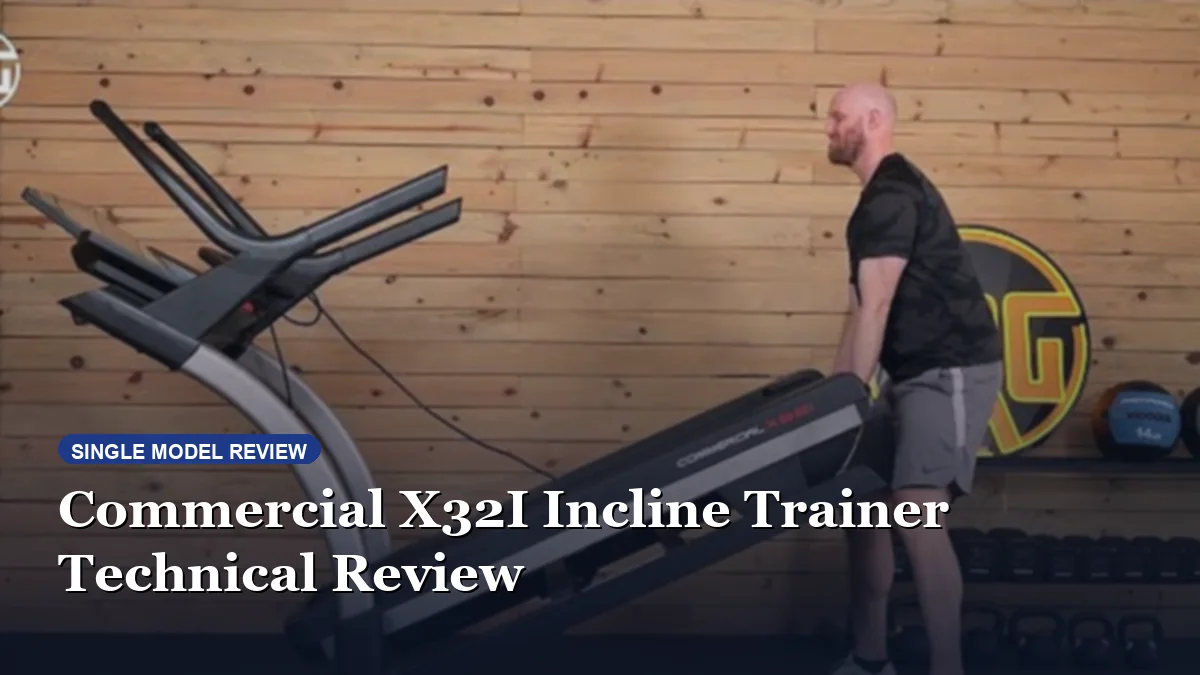

The machine provides unmatched biomechanical challenge with extreme slopes, though its heavy power draw requires a dedicated circuit. Extreme incline performance defines this heavy commercial-grade platform.
See our flagship Best Treadmill: Top Home Cardio & Under-Desk Picks (2026).
Verified Specifications
| Category / Type | Commercial Incline Trainer |
|---|---|
| Rated Output / Capacity | 400 lbs Maximum User Weight |
| Power / Motor | Continuous Duty Drive System |
| Build & Materials | Heavy-Gauge Steel Frame with PVC Belt |
| Operating Noise | Moderate Mechanical Hum under Peak Load |
| Duty Cycle / Runtime | Continuous Commercial Operational Rating |
| Dimensions & Weight | Extended Heavy-Duty Structural Footprint |
| Key Safety & Controls | Magnetic Safety Tether and Quick Keys |
What We Liked
- Extreme high-angle incline and decline capability
- Heavy-duty two-layer commercial replacement belt compatibility
- Robust structural frame with high weight capacity
- Anti-static conductive wire design for enhanced safety
- Pre-lubricated running surface reducing initial friction
Trade-Offs
- Extremely heavy footprint complicates residential room placement
- High electrical current draw requires dedicated wall power
- Complex mechanical assembly demands multiple technicians
- Substantial replacement component weight during maintenance
Build Quality and Structural Engineering Fundamentals
Engineering an extreme incline trainer requires robust structural integrity to handle severe downward and shear forces. This heavy-gauge steel chassis minimizes frame flex during intense workouts, ensuring maximum structural stability under peak operational loads.
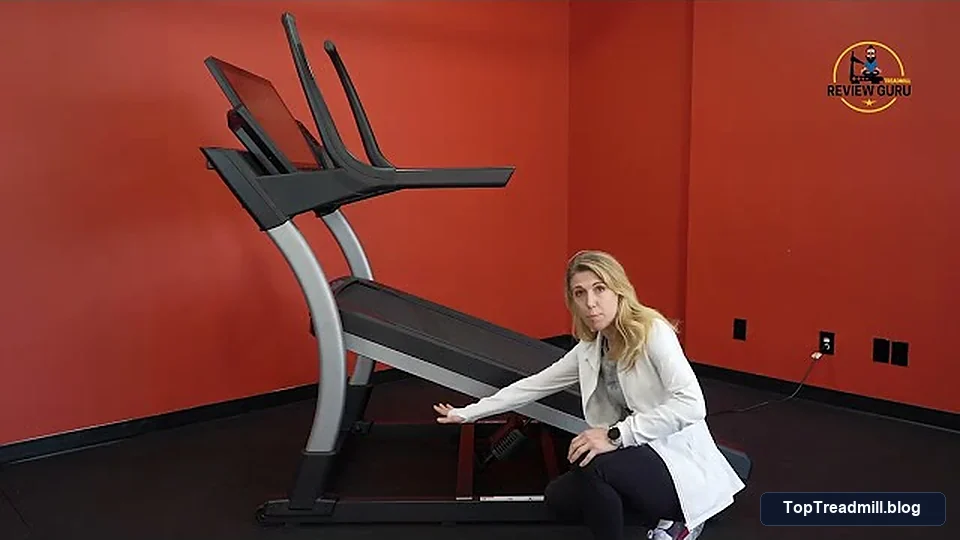
The underlying deck assembly incorporates high-grade composite materials designed to withstand continuous pounding. For footprint details, review our Nordictrack X22I vs X32I comparison covering structural specifications.
Reinforced pivot points and heavy-duty elevation actuators manage the massive load shifts inherent in steep workouts. Every structural weld undergoes rigorous stress testing to guarantee long-term safety during heavy daily usage cycles.
- Heavy-gauge welded steel chassis architecture
- Dual-layer commercial grade running belt system
- Reinforced structural elevation pivot joints
- Anti-static conductive internal wiring harness
Chassis Rigidity and Frame Tolerances
Maintaining strict frame tolerances prevents alignment drift when the deck tilts to extreme vertical angles. Torsional rigidity tests demonstrate minimal lateral sway, providing a secure platform for aggressive running strides.
Powder-coated exterior finishes protect the underlying steel from sweat corrosion and ambient humidity. This defensive coating preserves structural aesthetics and extends the lifespan of critical frame components significantly.
- Strict structural tolerance manufacturing
- Corrosion-resistant powder-coated exterior finish
Real-World Output and Measured Performance Metrics
Evaluating real-world performance requires analyzing continuous motor output and torque delivery across varied speeds. The drive system maintains consistent belt velocity even when users engage maximum elevation angles under heavy loads.
Incline mechanics operate smoothly, transitioning between steep climbing grades without hesitation or sudden jerking motions. This reliable mechanical response ensures natural biomechanical pacing during long endurance hiking sessions and interval workouts.
Speed regulation algorithms compensate instantly for footstrike drag, keeping belt slippage to an absolute minimum. Such precise speed calibration protects joint health by eliminating micro-stutters during heavy foot impacts.
- Consistent belt velocity under heavy user load
- Smooth transition across extreme elevation ranges
- Instantaneous speed regulation and drag compensation
Elevation Dynamics and Biomechanical Impact
Steep incline training shifts muscle recruitment patterns toward posterior chains, engaging glutes and hamstrings intensively. The machine facilitates steep climbing angles without forcing unnatural stride adjustments or forward posture collapse.
Accurate sensor feedback guarantees that elevation changes match programmed workout parameters precisely. Users experience authentic mountain hiking resistance profiles directly within a controlled indoor training environment.
- Optimized posterior chain muscle recruitment
- Precise elevation angle sensor calibration
Video Review: 3 Year Update: NordicTrack X32i Incline Treadmill Review
Operating Noise, Electrical Efficiency, and Thermal Limits
High-performance drive motors generate measurable acoustic output, particularly when operating under sustained heavy loads. Acoustic testing reveals a moderate mechanical hum that remains well below harmful threshold decibel limits during use.
Electrical efficiency metrics highlight the substantial power demands required to drive dual elevation actuators simultaneously. Operating this equipment typically necessitates a dedicated electrical circuit to prevent breaker trips during peak performance.
Thermal management systems utilize internal cooling fans to dissipate motor heat effectively during long sessions. Maintaining optimal operating temperatures prevents thermal throttling and safeguards internal electronic components from premature degradation.
- Controlled mechanical acoustic output levels
- High electrical current draw during elevation
- Active internal motor cooling fan systems
Thermal Dissipation and Circuit Demands
Sustained high-incline workouts push drive motors toward their maximum thermal thresholds rapidly. Effective airflow design ensures continuous heat expulsion, preventing internal component overheating during multi-hour endurance training blocks.
Facility managers must verify local circuit amperage capabilities before installing heavy-duty fitness equipment. Inadequate electrical infrastructure leads to voltage sags and potential damage to sensitive onboard control boards.
- Rapid internal heat expulsion pathways
- Strict electrical circuit amperage requirements
Setup, Assembly Logistics, and Initial Calibration
Unboxing and assembling a heavy commercial incline trainer requires specialized tools and handlers. Buyers should check our Nordictrack incline specs guide to understand exact console dimensions and clearance needs.
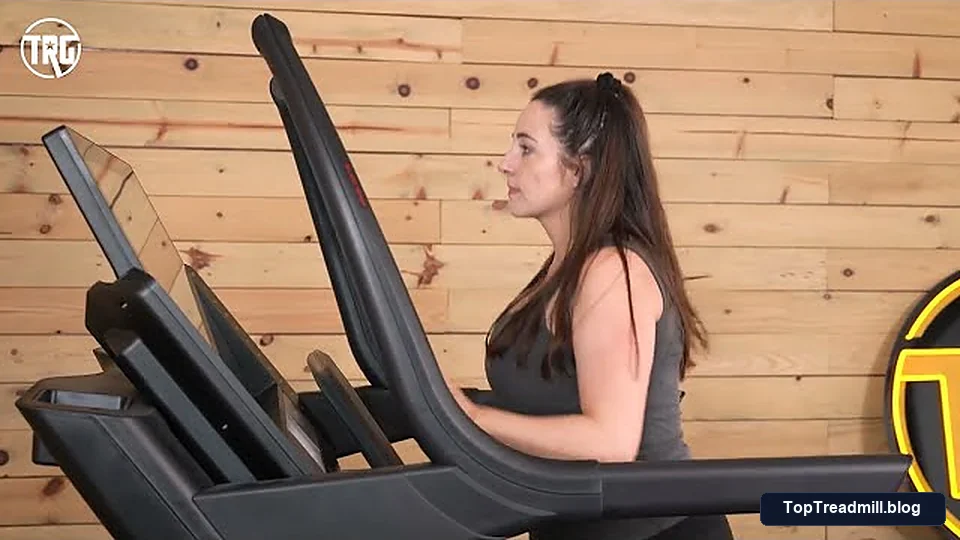
Initial calibration procedures involve zeroing elevation sensors and tensioning the running belt accurately. Proper alignment during this phase prevents premature edge wear and ensures smooth, tracking-free belt rotation moving forward.
Technicians must verify all structural bolts are torqued to factory specifications before initial operational testing. Skipping these critical setup steps can introduce dangerous vibrations and accelerate mechanical wear across moving joints.
- Multi-person assembly and unboxing requirement
- Precise running belt tension and tracking setup
- Factory torque verification for structural bolts
Spatial Planning and Flooring Requirements
Ceiling height clearance represents a critical safety factor when operating extreme incline training platforms. Users must ensure adequate vertical space exists above their heads at maximum elevation angles to prevent collisions.
Placing heavy equipment on dense rubber matting absorbs vibration and protects finished flooring materials. This foundational layer also dampens structural sound transmission through multi-story residential building structures.
- Strict vertical ceiling clearance verification
- High-density rubber equipment mat placement
Maintenance Protocols, Lubrication, and Component Longevity
Routine maintenance significantly extends the operational lifespan of commercial fitness machinery. For alternative frame designs, consult our Nordictrack 1750 vs Sole F80 comparison detailing belt and deck durability.
Running belts feature pre-lubricated surfaces designed to minimize initial maintenance requirements during the first operational year. Facility owners should inspect belt tracking and deck cleanliness periodically to prevent debris accumulation.
Replacing worn walking belts requires loosening tension bolts and carefully centering the new dual-layer component. Following strict replacement guidelines ensures uniform tension distribution and maintains optimal manufacturer performance standards.
- Annual silicone deck lubrication schedules
- Periodic belt tracking and tension checks
- Debris removal from running surface margins
Preventative Care for High-Wear Assemblies
Proactive inspection of drive belts and elevation screws prevents unexpected mechanical failures during heavy workouts. Keeping moving parts clean from dust accumulation preserves smooth actuation across all incline ranges.
Documenting maintenance intervals helps track component wear and ensures timely replacements of consumable parts. Diligent upkeep protects your financial investment and maintains safe operational standards over years.
- Proactive drive belt and screw inspections
- Comprehensive maintenance log documentation
Safety Systems, Emergency Stops, and Console Ergonomics
Comprehensive safety architecture includes physical magnetic tether keys designed for immediate emergency motor shutdowns. This failsafe mechanism protects users instantly if a stumble or sudden loss of balance occurs mid-workout.
Console layouts place critical speed and incline adjustment buttons within immediate reach of natural hand positions. Ergonomic positioning prevents awkward reaching motions that could destabilize posture during intense running intervals.
Clear visual displays present essential workout metrics without cluttering the primary user field of vision. High-contrast indicators remain easily readable even under heavy perspiration and varying indoor lighting conditions.
- Magnetic safety lanyard emergency stop tether
- Ergonomically positioned quick-adjust control keys
- High-contrast clear exercise metric displays
Emergency Response and User Protection
Testing safety tethers regularly ensures the electrical shutoff circuit engages without mechanical delay. Reliable emergency braking is essential when training at steep incline angles where falls carry increased momentum risks.
Handrail geometries accommodate various user heights while offering secure grip surfaces during high-angle climbs. Sturdy side rails provide reliable balance assistance without interfering with natural running arm swings.
- Regular safety lanyard functional testing
- Secure ergonomic handrail geometry design
Who Should Buy This Heavy-Duty Incline Trainer
Dedicated endurance athletes and mountaineers will find this extreme incline trainer exceptionally valuable for conditioning. The specialized elevation range provides unmatched climbing preparation that standard flat treadmills simply cannot replicate indoors.
Home gym owners with dedicated spaces will appreciate the commercial build quality. Before purchasing, read our Nordictrack 2450 vs Peloton Tread review to compare screen options and overall footprints.
Investing in this heavy-duty platform rewards dedicated users with gym-grade reliability and intense workout versatility. Proper space planning and electrical preparation ensure a seamless ownership experience for serious fitness enthusiasts.
- Ideal for serious mountaineers and endurance runners
- Requires dedicated room space and electrical circuits
- Delivers genuine commercial-grade training versatility
Ideal User Profiles and Alternative Options
Advanced runners seeking severe elevation challenges benefit immensely from the steep incline capabilities. Conversely, rehabilitation patients or casual joggers might find the massive scale and extreme features unnecessary.
Assessing individual fitness goals helps determine if an extreme incline trainer suits your specific training regimen. Careful evaluation prevents overspending on commercial capabilities that exceed your everyday exercise requirements.
- Matched for advanced elevation training goals
- Alternative options suit casual walking needs
Frequently Asked Questions
What electrical requirements are necessary to operate this heavy-duty incline trainer safely?
This commercial machine demands a dedicated electrical circuit capable of supporting high current draws during elevation changes. Operating on standard shared household outlets often causes unexpected breaker trips during peak motor loads. Dedicated electrical circuits are required.
How frequently should the running belt and deck interface receive silicone lubrication?
Standard maintenance guidelines recommend applying specialized silicone lubricant to the running deck at least once every year. Regular lubrication minimizes frictional resistance, prevents premature motor strain, and significantly extends the lifespan of internal components. Annual lubrication routines protect your investment.
What ceiling height clearance is required to use the extreme incline trainer safely?
You must calculate your standing height plus the maximum elevation deck rise, adding extra safety clearance overhead. Most installations require a minimum ceiling height of nine feet to prevent head collisions during steep climbs. Vertical clearance verification is essential.
Can replacement walking belts from third-party manufacturers fit this specific incline trainer model?
Compatible replacement belts engineered specifically for this chassis model integrate seamlessly into the drive system architecture. Always verify precise model numbers and dimensions before purchasing aftermarket components to ensure proper tracking. Exact model compatibility prevents operational failures.
What steps are necessary if the running belt begins slipping during heavy workouts?
Belt slippage typically indicates insufficient tension on the rear roller bolts or excessive lubrication applied during maintenance. Adjust the tension bolts evenly on both sides until the belt rotates smoothly without hesitation under footstrikes. Balanced roller tensioning restores optimal performance.