Treadmill Circuit Breaker Keeps Tripping Outlet: Causes
Electrical overloads happen when your motor draws excessive current during operation. Fixing this issue protects your home grid from dangerous thermal overcurrent conditions.

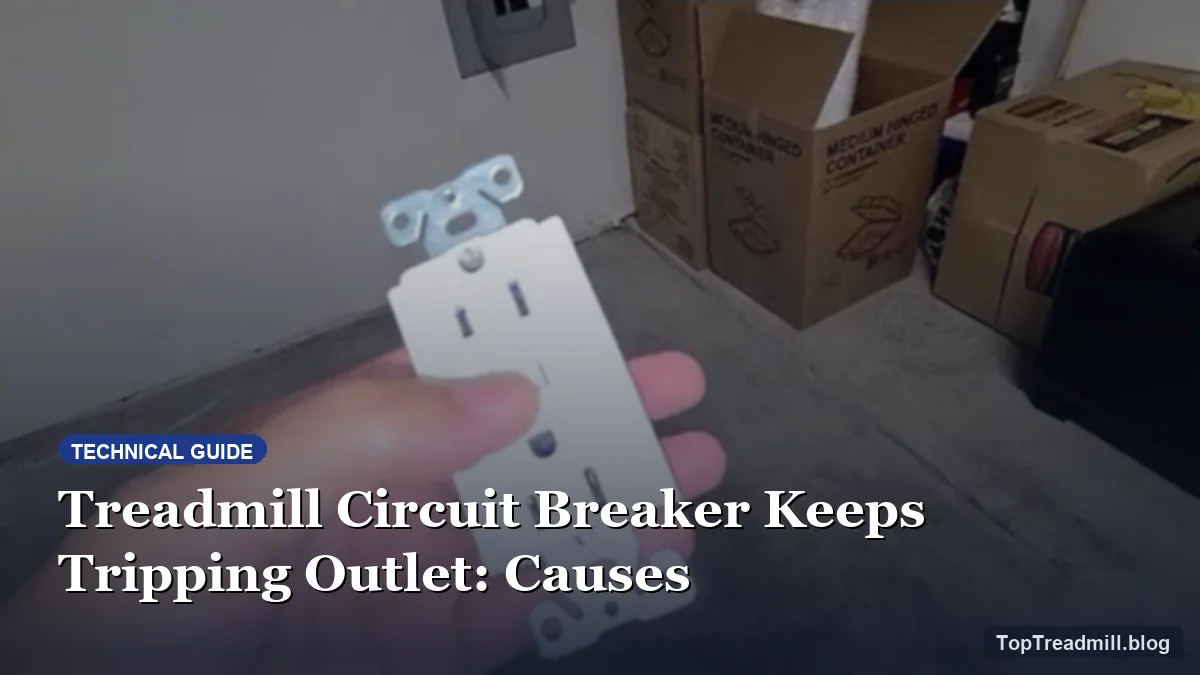
Always verify your dedicated circuit amperage limits before running high-draw motors. Never use standard extension cords for heavy exercise equipment under any circumstances.
Ready to compare models? Start with our Best Treadmill: Top Home Cardio & Under-Desk Picks (2026).
Practical Quick-Reference Table
| Scenario / Metric | Recommended Target | Why It Matters |
|---|---|---|
| Circuit Amperage | 20-Amp Dedicated Line | Prevents shared line overloads |
| Extension Cord | Prohibited | Avoids voltage drop and overheating |
| Belt Lubrication | Every 130 miles | Reduces running friction and motor draw |
| Outlet Inspection | Zero Arcing / Tight Fit | Eliminates dangerous resistance spikes |
| Motor Condition | Clean Windings | Prevents short-circuit breaker trips |
| Isolation Test | Different Room Circuit | Determines if fault is wall or machine |
Understanding Electrical Loads and Motor Draw Fundamentals
Modern treadmills require significant electrical power to drive heavy users across continuous inclines. When motor demand surges, amperage draws exceed standard thresholds, causing household breakers to immediately trigger.
Continuous horsepower motors demand steady current, but peak startup phases require double that nominal rating. Recognizing this operational reality helps isolate whether the issue stems from mechanics or wiring.
Household circuits are typically rated for fifteen or twenty amperes depending on installation code. Running other heavy appliances on that same zone guarantees rapid overloads during intense workout sessions.
Users must calculate total electrical load before plugging equipment into shared domestic circuits. Ignoring these foundational rules leads to frequent power losses and potential damage to sensitive electronic controllers.
Continuous horsepower motors demand substantial starting current when users step onto the belt. Initial amperage spikes can easily exceed standard household baseline ratings before stabilizing into normal running operations.
When mechanical resistance increases due to a heavy runner, the motor controller responds by demanding more voltage. This sudden electrical surge forces circuit breakers to react instantly to prevent dangerous overheating.
Pulse-width modulation circuits regulate power delivery efficiently, yet mechanical wear creates electrical resistance inside the windings. Elevated internal temperatures alter resistance values, causing unexpected current spikes during routine workouts.
Understanding nominal versus peak horsepower clarifies why some units trigger thermal protections. Peak ratings represent maximum instantaneous output, which fundamentally differs from steady-state electrical draw required for continuous belt movement.
- Calculate total room appliance wattage before starting workouts.
- Distinguish between continuous running current and peak startup draw.
- Identify shared breaker zones to prevent cumulative power overloads.
- Recognize thermal threshold limits on standard household breakers.
Motor Startup Dynamics
During initial belt engagement, friction spikes require maximum torque from the drive motor. Choosing a model from our best treadmill selections ensures your electrical circuit handles peak loads safely without tripping.
Ensuring proper mechanical glide reduces this initial resistance load significantly. Regular maintenance prevents premature electrical failure across all major internal drive components.
- Inspect belt alignment to minimize initial startup torque resistance.
- Clean internal drive components to maintain optimal efficiency ratings.
Assessing Household Circuit Breaker Ratings and Load Limits
Standard residential outlets share power across multiple rooms within a single circuit zone. Operating high-draw fitness motors alongside refrigerators creates cumulative overcurrent conditions that trigger automatic safety shutdowns.
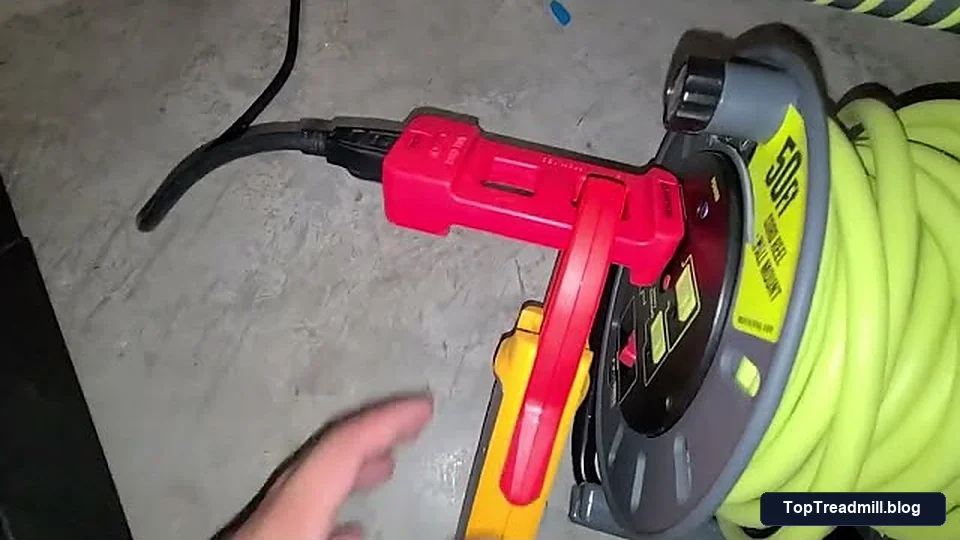
Older homes often feature fuses or legacy breakers that degrade over decades of service. Upgrading to modern thermal magnetic breakers restores reliable performance for heavy motorized equipment.
Dedicated twenty-amp circuits provide the safest operating environment for heavy-duty running machines. Checking your main electrical panel clarifies whether your workout space meets manufacturer power requirements.
Never ignore persistent breaker trips as minor inconveniences. Continuous thermal cycling weakens breaker springs, ultimately creating severe fire hazards within your residential electrical distribution system.
Standard residential circuits typically operate at 15 amps and 120 volts, limiting total continuous output to roughly 1,440 watts. Exceeding this thermal threshold trips the breaker to safeguard household wiring.
Sharing a wall outlet with high-draw appliances like space heaters or refrigerators creates circuit overload conditions. Treadmills require a dedicated line to handle transient electrical demands without tripping breakers.
Older homes featuring fuse boxes or degraded wiring experience voltage drop under heavy loads. This voltage reduction forces the motor to draw higher amperage, frequently triggering safety mechanisms prematurely.
Modern building codes mandate arc-fault circuit interrupters in residential spaces. Consulting our walking pad vs treadmill comparison helps you select lower-amperage equipment that avoids triggering sensitive household safety devices.
- Verify your home breaker panel amperage ratings before heavy use.
- Avoid running secondary high-wattage appliances on the treadmill zone.
- Replace degraded or buzzing breakers with modern certified units.
- Consult licensed electricians for dedicated line installation projects.
Video Walkthrough: Treadmill Tripping Breaker?
Investigating Friction Resistance and Deck Lubrication Issues
High running friction forces the drive motor to pull excessive electrical current continuously. Insufficient belt lubrication generates thermal resistance buildup, directly causing household circuit breakers to trip repeatedly.
Walk your hand across the running deck to check for dry patches. Using our treadmill deck size calculator helps determine correct surface dimensions while you maintain proper lubrication.
Worn running belts stretch unevenly, creating drag patterns that strain the entire drive system. Replacing degraded walking belts restores smooth mechanical rotation and prevents chronic electrical overloads.
Debris accumulation beneath the walking platform also restricts smooth belt movement over the rollers. Vacuuming internal dust chambers regularly protects both mechanical linkages and delicate electronic circuits.
Inadequate lubrication between the running belt and wooden deck generates massive frictional resistance. This mechanical drag forces the drive motor to work exponentially harder, elevating electrical current consumption rapidly.
Operators should perform regular silicone-based lubrication maintenance every three to six months. Neglecting this crucial upkeep causes microscopic wood fibers to bind with the belt backing material.
Excessive belt tension creates unnecessary strain on front roller bearings and drive shafts. Proper calibration requires enough slack to prevent slipping while maintaining low friction coefficients across the running surface.
Walking pad users frequently overlook deck wear indicators located underneath the running platform. A severely scored or warped deck destroys belt glide efficiency, triggering unexpected thermal overloads in small motors.
- Apply manufacturer-approved silicone lubricant every few months.
- Check walking belt tension using proper calibration guidelines.
- Clean deck undersides to eliminate friction-inducing debris buildup.
- Replace stretched or worn belts before motor damage occurs.
Inspecting Power Cords, Wall Receptacles, and Grounding
Damaged power cords or loose wall receptacles introduce high resistance into the electrical circuit. This localized heat generation causes voltage drops that force motors to draw more current, tripping breakers.
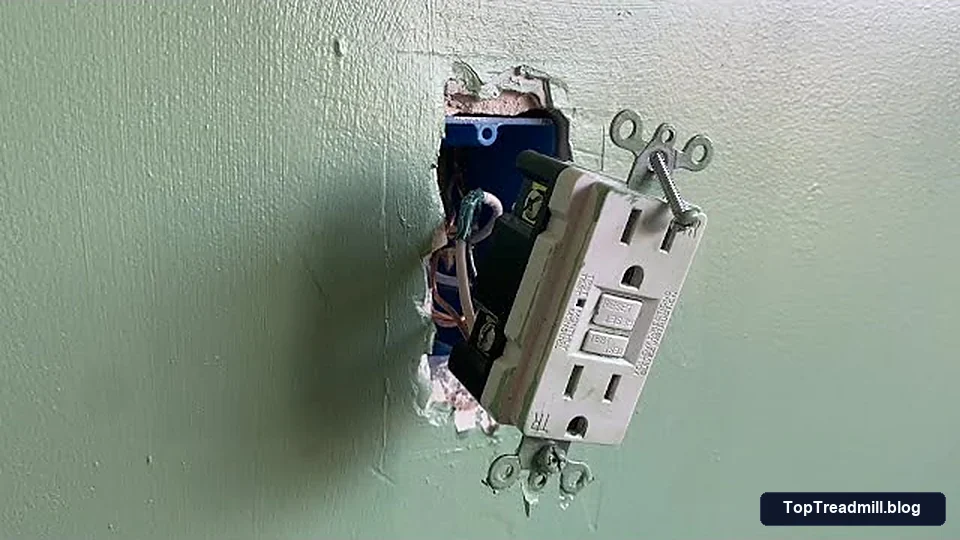
Inspect the entire length of the power cord for pinching or melting damage. When replacing aged hardware, check our best budget treadmill guide to find modern units with durable wiring.
Wall outlets lose their grip strength over years of heavy plug insertions. A loose connection causes electrical arcing, which instantly triggers safety mechanisms inside your home electrical panel.
Proper equipment grounding is mandatory to prevent fault currents from reaching user touchpoints. Confirm your wall receptacle features a verified ground path using a digital multimeter test.
Damaged power cords with internal wire strand fractures create dangerous electrical resistance hotspots. These flaws restrict current flow, generating localized heat that compromises wall receptacles and trips upstream breakers.
Loose terminal screws inside older wall outlets cause intermittent arcing faults. Such unstable electrical connections confuse sensitive circuit breakers, leading to random shutdowns during high-intensity training sessions.
Proper equipment grounding provides a safe pathway for stray voltage faults. Testing receptacles with a standard multimeter confirms correct phase alignment and verifies functional earth ground continuity before equipment operation.
Inspecting the machine inlet plug for carbon buildup or loose pins ensures reliable conductivity. A corroded plug interface dramatically increases resistance, accelerating thermal degradation of the main power switch.
- Examine power plugs for discoloration or thermal melting signs.
- Test wall receptacle grip strength and internal spring tension.
- Confirm proper earth grounding continuity with a multimeter.
- Replace damaged wall outlets immediately using certified hardware.
Diagnosing Internal Drive Motor and Controller Board Faults
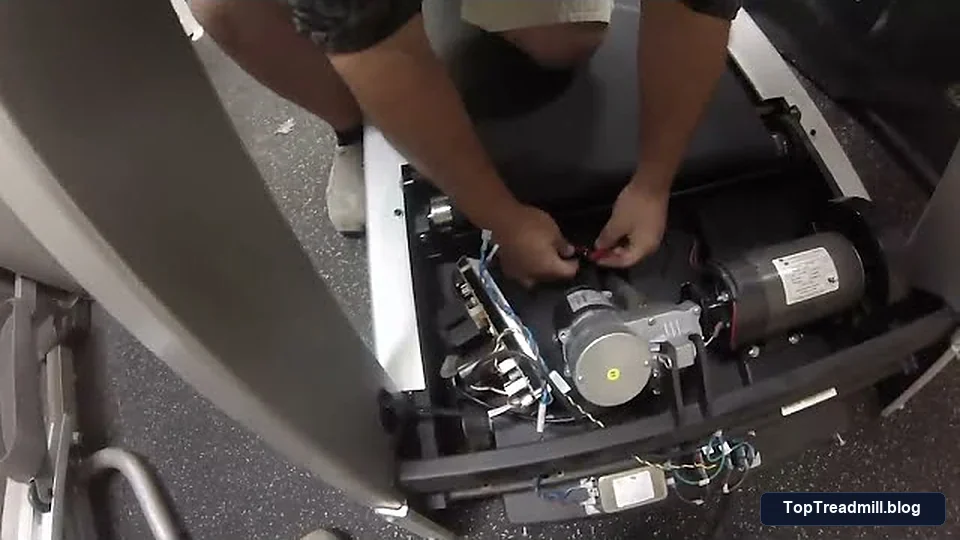
Internal component failures like shorted motor windings create catastrophic electrical shorts. When motor insulation breaks down, massive current rushes instantly, tripping breakers before internal fuses can clear.
Motor controller boards manage power delivery using solid-state switching components called MOSFETs. If a MOSFET fails shorted, unregulated power surges through the system, causing immediate circuit shutdowns.
Smelling a distinct burnt odor near the motor housing indicates severe electrical winding damage. Professional bench testing or component replacement becomes necessary once internal hardware suffers thermal degradation.
Checking carbon brushes on older brushed motors reveals whether mechanical wear causes sparking. Replacing worn brushes restores efficient electrical contact and prevents erratic current fluctuations during use.
Internal motor issues often stem from worn carbon brushes generating excessive sparking. This debris accumulation on the armature creates short circuits, forcing the motor controller to shut down immediately.
Failed insulated-gate bipolar transistors on the printed circuit board cause catastrophic short circuits. When these semiconductor components fail shorted, they bypass regulation and trigger the main electrical breaker.
Technicians should measure motor winding resistance using a calibrated digital ohmmeter. Readings deviating significantly from factory specifications indicate internal shorts requiring complete motor replacement.
Checking electrolytic capacitors for bulging tops or leakage reveals failing power filtering components. Deficient filtering allows severe voltage ripples to destabilize the system, resulting in frequent breaker trips.
- Inspect motor controller boards for visible capacitor swelling.
- Test motor winding resistance using a digital multimeter tool.
- Check carbon brushes for excessive wear on legacy motors.
- Disconnect mains power before touching internal electronic boards.
Video Walkthrough: Treadmill Keeps Tripping Breaker? Troubleshooting a Dead Short In A Treadmill
Implementing Proper Extension Cord and Surge Protector Policies
Using long extension cords introduces electrical resistance that reduces operating voltage levels. Lower voltage forces the motor to draw higher amperage, rapidly overheating household breakers during intense workouts.
Manufacturers explicitly prohibit standard household extension cords because they cannot handle high continuous loads. Plug your equipment directly into a wall receptacle to ensure stable power delivery.
Surge protectors often contain internal components that degrade after absorbing minor voltage spikes. A failing suppressor can introduce internal resistance, triggering your wall breaker during high-draw motor phases.
If surge protection is required, select heavy-duty units rated specifically for high-wattage motorized appliances. Verify that the joule rating and clamping voltage match your equipment technical manual.
Connecting high-draw exercise equipment to standard extension cords introduces severe voltage drop. Thin gauge wires cannot handle continuous high amperage, causing the cable to overheat and trip breakers.
Manufacturers explicitly prohibit using household multi-tap adapters or daisy-chained power strips. These accessories lack adequate joule ratings and often feature internal components that restrict necessary starting current.
When an extension cord is absolutely necessary, users must select heavy-duty 14-gauge wire models rated specifically for motorized fitness gear. Keeping cable lengths under six feet minimizes resistance losses.
Standard consumer surge protectors can interfere with motor controller feedback loops. Premium units featuring high clamping voltages and dedicated overload protection provide safety without inducing premature equipment shutdowns.
- Plug motorized fitness equipment directly into wall receptacles.
- Never connect treadmills to standard consumer extension cords.
- Inspect surge suppressor ratings for high-wattage compatibility.
- Discard and replace surge units after major power surges.
Step-by-Step Workshop Troubleshooting and Isolation Protocol
Systematic isolation helps pinpoint the exact root cause of repetitive circuit breaker trips. Begin by testing the machine on a completely different electrical circuit in another room.
If the machine trips a second independent circuit, the issue lies within the treadmill. Internal mechanical binding or electrical shorts require immediate repair before further operational use.
When the treadmill operates normally on another circuit, your original outlet is overloaded. Reduce appliance loads on that specific room zone or install a dedicated circuit line.
Documenting error codes displayed on the console helps technicians diagnose controller faults rapidly. Always disconnect main power before inspecting internal mechanical or electrical components during maintenance.
Begin diagnostics by unplugging all auxiliary electronics from the shared circuit. Testing the treadmill on a completely isolated, dedicated line helps determine if the issue originates from household overload.
Next, perform a manual belt rotation check to identify mechanical binding. If the running surface feels excessively stiff, apply fresh silicone lubricant before attempting any further electrical testing procedures.
Measure real-time current draw using a clamp meter around the hot supply wire. Comparing operational amperage against the manufacturer specifications reveals hidden motor or controller component failures.
Document every test result systematically to streamline professional repairs if internal component replacement becomes necessary. Maintaining accurate logs ensures technicians diagnose complex electrical faults efficiently and safely.
- Isolate faults by testing equipment on an alternate room circuit.
- Inspect mechanical deck components if the machine trips multiple zones.
- Record error console codes to assist professional technician diagnostics.
- Always unplug equipment before servicing internal electronic hardware.
Frequently Asked Questions
Why does my treadmill trip the breaker only when running at high speeds?
High speeds demand maximum motor torque, which significantly increases electrical current draw. Exceeding standard amperage thresholds instantly triggers thermal safety breakers in your home panel.
Can I safely use a heavy-duty extension cord with my treadmill?
Manufacturers strongly advise against using any extension cords for motorized fitness equipment. Voltage drop over distance forces motors to pull more current and overheat household wiring.
How do I know if my treadmill has an internal electrical short?
Tripping multiple independent wall circuits points directly to internal component failures. Burnt motor windings or shorted controller boards cause immediate catastrophic breaker interruptions.
What amperage rating does a standard treadmill require?
Most motorized running machines require a dedicated twenty-amp electrical circuit. Sharing this zone with refrigerators or space heaters creates cumulative overcurrent conditions.
Does lack of lubrication cause circuit breakers to trip?
Dry running decks create excessive friction that strains the drive motor. Elevated mechanical resistance forces higher electrical draw, which trips household breakers during workouts.