Self Powered Treadmill vs Electric Comparison Guide
Choosing between manual and motorized decks changes your biomechanics. Understand the core mechanical differences before upgrading your home gym.

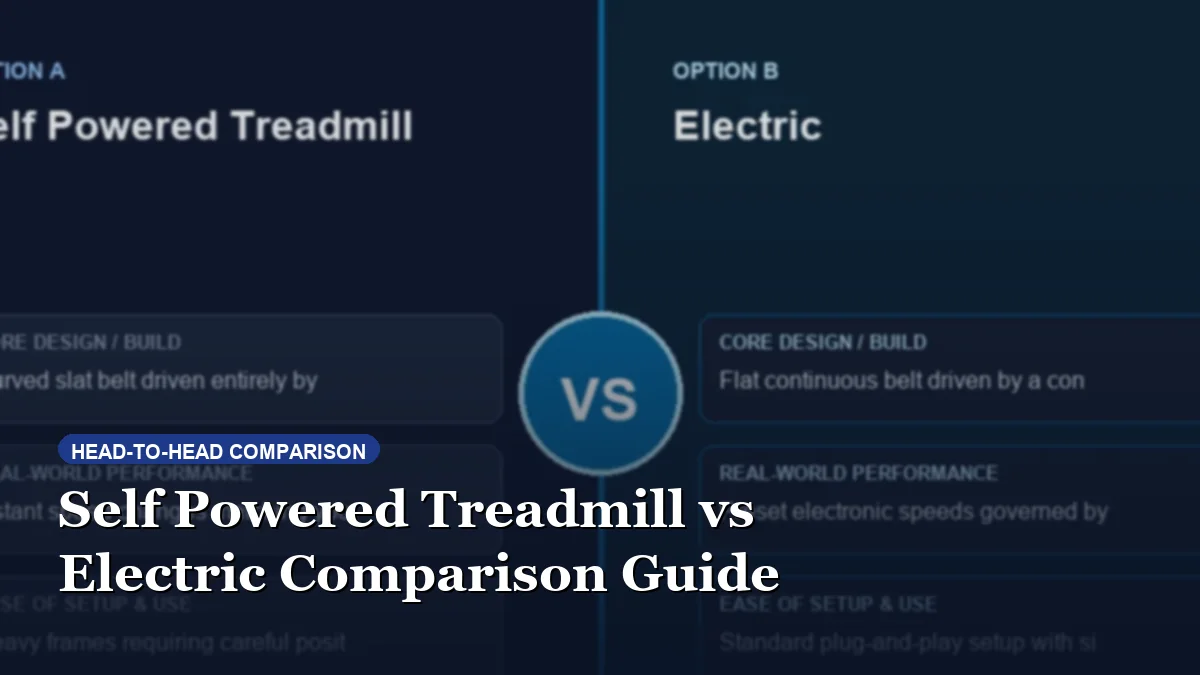
Choose a self powered treadmill if you want high-intensity interval training and natural running mechanics. Opt for an electric model for steady-state endurance training and automated incline controls.
Compare all top models in our Best Treadmill: Top Home Fitness Picks (2026 Guide).
Side-by-Side Breakdown
| Criteria | Self Powered Treadmill | Electric | Edge |
|---|---|---|---|
| Core Design / Build | Curved slat belt driven entirely by user motion | Flat continuous belt driven by a continuous-duty motor | Electric |
| Real-World Performance | Instant speed changes matching your exact stride rate | Preset electronic speeds governed by console buttons | Self Powered Treadmill |
| Ease of Setup & Use | Heavy frames requiring careful positioning and leveling | Standard plug-and-play setup with simpler console pairing | Electric |
| Durability & Reliability | Fewer electronic failure points and robust slat systems | Complex circuit boards and motors requiring periodic service | Self Powered Treadmill |
| Efficiency / Operating Footprint | Zero electricity consumption with pure human power output | Draws household current, adding minor utility costs | Self Powered Treadmill |
| Maintenance Requirements | Minimal belt tension adjustments and bearing lubrication | Regular deck lubrication and belt alignment checks | Self Powered Treadmill |
| Best Ideal Use Case | Sprint intervals, athletic conditioning, and metabolic training | Distance running, marathon training, and rehab walking | Electric |
Mechanical Engineering and Core Design
Selecting the right cardio machine requires understanding fundamental engineering principles. Manual designs rely entirely on user momentum to drive the belt forward, whereas motorized alternatives use continuous power sources.
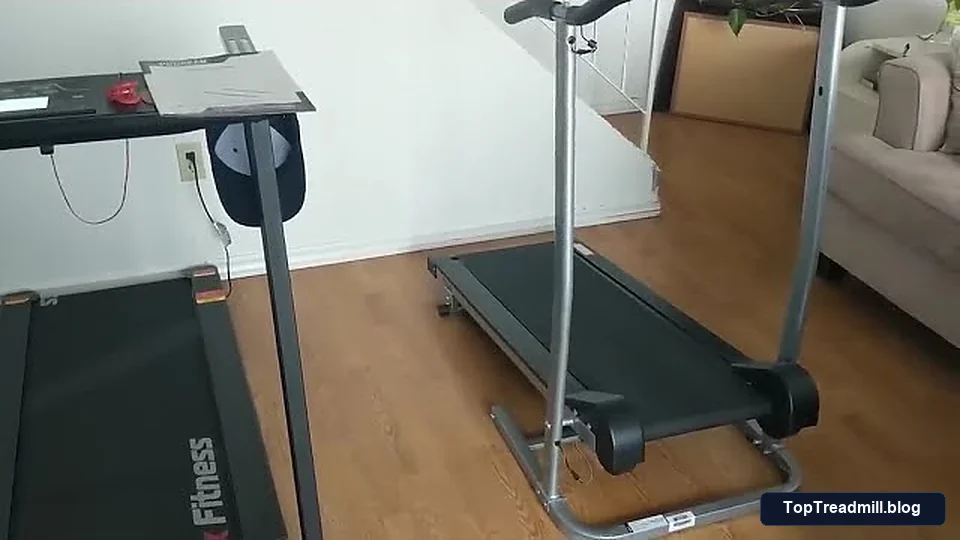
The absence of a motor alters the entire chassis construction. Manufacturers must build heavier, reinforced frames to withstand the rigorous biomechanical forces generated by foot strikes on non-motorized running surfaces.
Electrical machines distribute weight differently around the drive motor and front roller assembly. This engineering approach creates a smoother, more predictable belt velocity profile during long, continuous endurance training sessions.
Manual curved models rely on user-driven ball-bearing systems rather than continuous motor output. This kinematic setup transforms lateral foot strikes directly into belt rotation without electronic speed lag.
Electric alternatives employ continuous-duty direct-current or alternating-current drive motors to force constant belt speeds. These engineered powerplants require robust flywheels and drive boards to manage heavy user loads safely.
Structural rigidity dictates long-term performance across both categories. Heavy-gauge welded steel frames prevent torsional flexing during high-wattage sprints, maintaining precise alignment for slatted running surfaces and roller bearings.
- Heavy-duty steel frames designed for high impact
- Precision ball bearings ensuring smooth slat rotation
- Zero electrical consumption relying strictly on gravity
Curved Slats vs Flat Belts
Curved slat belts force runners into a natural forefoot strike pattern. Pairing these decks with options from our best treadmill shoes list optimizes your biomechanical efficiency during speed workouts.
Flat motorized belts maintain constant velocity regardless of your foot placement. This mechanical consistency helps runners maintain strict cadence goals during structured marathon training blocks.
- Rubberized slat construction absorbing impact shock
- Continuous flat PVC belts requiring routine tensioning
Biomechanics and Exercise Neuroscience
Recent insights in exercise neuroscience reveal distinct neuromuscular pathways activated during manual running. Pushing a heavy belt engages your posterior chain much harder than passively keeping pace with a motorized belt.
Proprioceptive feedback loops adapt rapidly when switching between machine types. Your central nervous system continuously recalculates limb acceleration requirements to maintain your desired position on the curved running surface.
Motorized treadmills reduce cognitive fatigue during long sessions because the machine dictates the pace. This automated pacing allows runners to focus entirely on breathing rhythm and proper upper body posture.
Self-powered platforms force a natural forefoot strike pattern by eliminating motorized assistance. This mechanical demand increases posterior chain activation, engaging hamstrings and glutes significantly more than flat motorized belts.
Motorized decks dictate cadence through external pacing, shifting neurological demands toward continuous visual and auditory synchrony. Runners must adapt to the steady-state velocity of the synthetic rubber belt regardless of fatigue.
Proprioceptive feedback loops differ substantially between designs. Curved manual surfaces heighten dynamic balance requirements, stimulating neuromuscular pathways that closely mimic overground sprinting on outdoor athletic tracks.
- Enhanced hamstring and glute activation on manual decks
- Reduced cognitive load during automated motorized pacing
Neural Drive and Muscle Activation
Higher neural drive is necessary to accelerate a stationary manual belt from a dead stop. This mechanical demand recruits fast-twitch muscle fibers much earlier in your running workout.
Motorized models rely on external power to initiate belt movement, preserving your energy reserves for pure cardiovascular endurance rather than overcoming initial mechanical resistance.
- Increased explosive power output on non-motorized units
- Conserved glycogen stores during steady-state motorized runs
Training Psychology and Motivation
Training psychology plays a massive role in choosing your ideal home fitness equipment. When exploring our comprehensive best treadmill guide, self-powered machines demand intense focus because slowing down instantly stops the belt.
Conversely, electric treadmills provide a forgiving environment where you can zone out safely during long endurance workouts. Many users prefer this passive assistance for maintaining consistent weekly mileage goals without burnout.
Combining physical exertion with engaging console programming helps sustain long-term habit formation. Finding equipment that matches your intrinsic motivational style guarantees better consistency over months of training.
Manual resistance eliminates passive pacing, demanding intense psychological focus during every single second of training. Users control velocity dynamically, making high-intensity interval workouts feel organically tied to immediate physical output.
Electric treadmills offer pre-programmed interval profiles and digital displays that reduce cognitive load during endurance sessions. Exercisers can passively monitor metrics like heart rate telemetry while maintaining a steady, unchanging pace.
Motivation drivers split sharply along technical lines. Competitors gravitate toward self-powered units for raw athletic conditioning, whereas steady-state enthusiasts prefer motorized consoles for distraction-free multitasking during long runs.
- High mental engagement required for manual sprint intervals
- Relaxed pacing environments suited for meditative endurance runs
Pacing Control and Cognitive Load
Manual machines eliminate button pressing by letting your body control velocity organically. You dictate every single acceleration and deceleration phase through subtle shifts in your center of gravity.
Motorized alternatives use digital interfaces to lock in exact speeds and inclines. This removes guesswork but introduces minor friction when adjusting resistance mid-stride.
- Instantaneous speed transitions via body position
- Precise digital increments for structured interval targets
Power Efficiency and Environmental Impact
Energy consumption separates these two categories completely. Self-powered units draw zero electrical current from your wall outlets, making them the ultimate eco-friendly choice for sustainable home fitness spaces.
Electric treadmills consume notable household electricity, particularly during high-speed incline workouts. Motor efficiency ratings directly influence your monthly utility expenses and overall carbon footprint over time.
Understanding your home power capacity ensures you avoid overloaded circuits. High-horsepower motors featured in our top running treadmill picks require dedicated wall circuits to prevent tripped breakers during intense sessions.
Self-powered treadmills consume zero grid electricity, relying entirely on human kinetic energy to rotate the belt. This design choice yields a remarkably low carbon footprint over the lifespan of the equipment.
Standard motorized models draw continuous current from wall outlets, with power consumption scaling higher during peak acceleration phases. Facility managers must account for cumulative amperage loads when operating multiple electric units simultaneously.
Standby energy draw remains a hidden factor for electric variants. Keeping digital consoles and wireless receivers illuminated 24 hours a day contributes to ongoing household electricity costs even when idle.
- Completely off-grid operation for self-powered models
- Continuous electrical draw from motorized console systems
Grid Electricity vs Human Watts
Your own muscular output powers every revolution of a manual running deck. This direct conversion of calories into mechanical motion maximizes personal workout intensity.
Grid power handles all heavy lifting on motorized units. The machine supplies the torque required to keep the belt moving smoothly beneath your feet.
- Zero standby power draw on manual exercise machines
- Constant standby energy consumption on plugged consoles
Durability, Maintenance, and Component Wear
Equipment longevity depends heavily on internal mechanical complexity. Self-powered designs feature fewer electrical failure points, resulting in exceptional structural durability and lower long-term repair costs.
Motorized options feature complex circuit boards, drive motors, and cooling fans that demand regular upkeep. Preventive maintenance such as belt lubrication keeps friction low and prevents premature motor burnout.
Evaluating factory warranty terms helps protect your investment. Reputable manufacturers stand behind their heavy-duty frames and high-torque motors with comprehensive multi-year coverage plans.
Manual designs feature fewer electrical failure points, reducing overall maintenance overhead for facility owners. Individual rubber slats resist wear better than traditional continuous belts, offering extended component longevity under heavy usage.
Electric treadmills demand routine mechanical upkeep, including silicone lubrication and belt tension adjustments. Worn-out drive belts or failing motor controllers require specialized technical intervention to restore optimal operational safety.
Bearings and rollers endure high axial forces on both machine types. Regular inspections of structural fasteners prevent premature component degradation and ensure smooth rotation across all high-friction pivot points.
- Fewer electronic components prone to sudden failure
- Required routine lubrication for motorized running decks
Belt Friction and Motor Longevity
High friction accelerates wear on traditional motorized running belts. Keeping the underside properly lubricated preserves the motor and reduces electrical draw significantly.
Manual slat systems distribute friction across dozens of individual bearings. This clever design prevents localized hot spots and extends the operational lifespan of the running surface.
- Individual bearing replacements for slat treadmills
- Complete belt and deck replacements for worn electric units
Injury Prevention and Long-Term Wellness
Joint protection remains a top priority during high-mileage training blocks. Many runners consult our budget treadmill reviews to find affordable alternatives featuring reduced impact shock on rubberized slat surfaces.
Electric treadmills often feature advanced shock-absorption elastomer decks designed to cushion heel strikes. These dampening systems reduce repetitive stress injuries during long recovery runs.
Consulting medical professionals ensures your chosen equipment supports your personal rehabilitation goals. Proper biomechanical alignment prevents chronic knee and lower back pain over years of consistent use.
Self-powered units eliminate accidental floor ejections caused by sudden motorized acceleration failures. However, the aggressive curve requires robust ankle stability to prevent chronic strain along the Achilles tendon.
Motorized decks provide consistent shock absorption via elastomer cushioning systems, which substantially reduce cumulative impact forces on knee joints. This feature protects runners recovering from orthopedic stress injuries.
Ergonomic alignment varies depending on belt velocity control. Selecting the appropriate equipment category depends on individual joint health histories and specific biomechanical risk profiles established during clinical assessments.
- Rubberized slat absorption minimizing joint stress
- Adjustable elastomer cushioning decks on electric units
Joint Impact and Rehabilitation Protocols
Rehabilitation programs often benefit from the controlled speeds of motorized walking pads. Physical therapists use precise low-speed settings to safely guide patients through gait retraining exercises.
Athletic conditioning regimens utilize self-powered models to build functional lower body strength. The natural propulsion mechanics help develop robust stabilizing muscles around the ankle and knee joints.
- Precise low-speed calibration for clinical rehabilitation
- Functional strength development through natural propulsion
Practical Buying Framework and Space Planning
Choosing between these fitness machines requires careful measurement of your available workout space. Self-powered units are frequently heavier and harder to relocate once positioned in your home gym.
Electric models often include transport wheels and folding frames to maximize floor space efficiency. This makes motorized treadmills far more practical for shared living areas or smaller bedrooms.
Balancing your fitness goals against structural constraints guarantees long-term satisfaction. Invest in the technology that genuinely aligns with your preferred workout style and daily routine.
Floor space requirements differ due to structural mass and footprint dimensions. Heavy self-powered frames require stable subflooring to absorb vigorous pounding without causing excessive structural vibration in multi-story buildings.
Electrical outlet proximity dictates placement for motorized units, limiting layout flexibility in home gyms. Users must verify local circuit breaker capacities to prevent trips from high-draw treadmill motors.
Buyers should match equipment mechanics to specific fitness goals, prioritizing manual systems for athletic conditioning or electric models for endurance mileage training and structured rehabilitation programs.
- Heavy stationary frames requiring permanent floor placement
- Folding mechanisms and wheels on select electric models
Footprint Considerations and Cost Realities
Measuring ceiling height is crucial if you purchase a curved manual treadmill. The upward slope of the curved deck raises your standing height significantly during intense running workouts.
Budget allocation should factor in long-term maintenance needs. While manual units cost more upfront, their lower maintenance requirements often balance total ownership expenses over time.
- Elevated standing platform height on curved designs
- Upfront investment weighed against long-term maintenance
Frequently Asked Questions
Do self powered treadmills burn more calories than electric models?
Manual machines demand higher energy output from your own muscles because you manually accelerate the heavy belt from a complete dead stop. Consequently, your cardiovascular system adapts rapidly to these intense, variable-speed interval workouts.
Can you run long distance on a curved manual treadmill?
Distance running is entirely possible, but the lack of passive motor assistance requires continuous muscular effort that mimics outdoor road running. Many endurance athletes prefer electric belts for effortless pacing during multi-hour marathon training sessions.
Do electric treadmills require special electrical outlets in the home?
Standard residential models plug easily into regular household wall outlets without requiring professional electrical modifications. However, heavy-duty commercial motors might demand dedicated circuits to prevent frustrating power trips during peak usage.
Which treadmill type is better for joint rehabilitation and walking?
Electric machines provide precise low-speed control and cushioned elastomer decks that minimize impact forces on sensitive joints. Physical therapists frequently recommend motorized units for safe, gradual post-injury walking recovery programs.
How often do self powered treadmills need professional maintenance?
Non-motorized designs require minimal upkeep because they lack complex electronic circuit boards and drive motors. Routine visual inspections of the slat bearings and simple belt alignment checks keep your equipment running smoothly.