Motorized vs Non Motorized Treadmill: Concise Verdict
Choosing between powered belts and manual units shapes your indoor running experience. Understanding mechanical specifications helps you select the right equipment.

Pick motorized units for structured pacing and incline training, while manual treadmills suit high-intensity sprint intervals and self-powered running mechanics.
Compare all top models in our Best Treadmill: Top Home Fitness Picks (2026 Guide).
Side-by-Side Breakdown
| Criteria | Motorized | Non Motorized Treadmill | Edge |
|---|---|---|---|
| Core Design / Build | Electric motor drives the running belt | User motion propels the curved slat belt | Depends |
| Real-World Performance | Consistent speeds up to strict limits | Infinite acceleration matching user output | Non Motorized |
| Ease of Setup & Use | Requires dedicated wall outlet placement | Completely cordless design for flexible room layout | Non Motorized |
| Durability & Reliability | Complex electronics require periodic component servicing | Heavy-duty commercial bearings and slat systems | Non Motorized |
| Efficiency / Operating Footprint | Draws continuous electrical current during operation | Zero electricity usage lowers operating overhead | Non Motorized |
| Maintenance Requirements | Regular belt lubrication and deck tension checks | Minimal upkeep focused on surface cleaning | Non Motorized |
| Best Ideal Use Case | Endurance training and structured rehabilitation | Athletic conditioning and sprint interval training | Depends |
A Closer Look at Drive Systems
Analyzing internal drive systems reveals fundamental differences in how each machine operates under heavy daily workloads. Electric motors dictate belt velocity independently of your natural footstrike cadence.
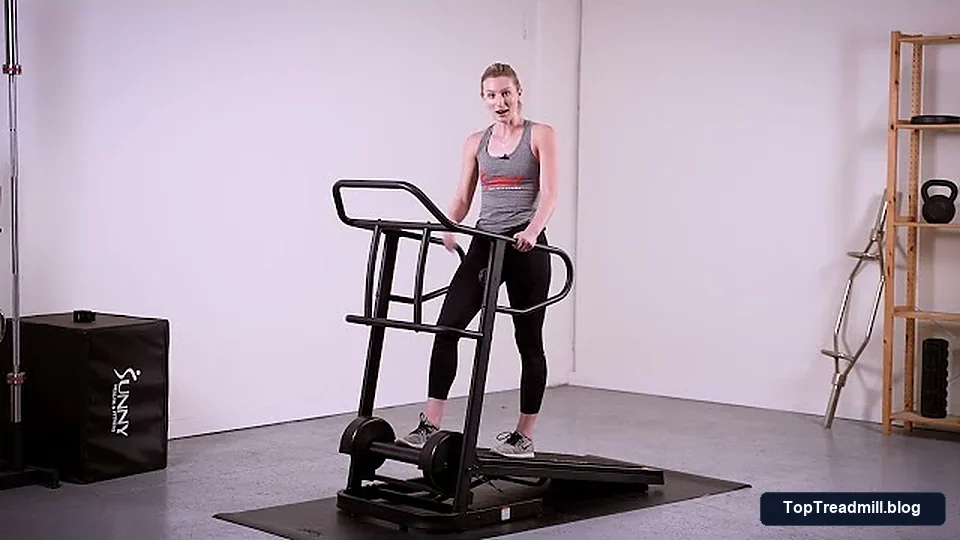
Manual curved alternatives rely entirely on your biomechanical force to rotate the heavy slat surface. This mechanical distinction alters energy expenditure and changes your overall running posture significantly.
Understanding these foundational design variances ensures you select a machine matching your exact physical conditioning goals without unexpected performance limitations.
- Continuous horsepower ratings dictate sustained motor endurance
- Curved slat systems eliminate electrical power requirements completely
- Drive roller diameters influence friction and bearing lifespan
Motorized Power Delivery
Powered machines rely on internal continuous horsepower motors to maintain steady belt rotations across all selected speed tiers. Consistent speed regulation protects joints during long distance endurance sessions.
Users can program precise velocity increments ranging from gentle walking speeds up to competitive sprinting limits without manual exertion adjustments when evaluating our best motorized under desk walking treadmill choices.
- PWM motor controllers manage voltage delivery smoothly
- Flywheel weight stabilizes high speed belt momentum
Manual Slat Mechanics
Self-powered models utilize curved running decks that translate body weight distribution into immediate forward momentum. Biomechanical propulsion forces runners to engage posterior chain muscles aggressively.
Acceleration and deceleration happen instantly based entirely on your foot placement along the curved track geometry.
- Individual ball bearings support each durable slat segment
- Curved deck angles encourage midfoot strike patterns
Information on Ergonomics and Mechanics
Ergonomic alignment dictates how comfortably you can log high weekly mileage without experiencing joint strain or unnatural stride alterations. Deck cushioning systems absorb harsh impact forces efficiently.
Traditional motorized models often feature adjustable elastomeric deck suspensions designed to cushion heel strikes during extended running workouts.
Self-powered variants substitute traditional deck cushioning with rigid curved slats that demand natural shock absorption from your own lower extremities.
- Deck durometer ratings measure surface shock absorption capacity
- Handrail placement affects posture during high speed intervals
- Console viewing angles reduce neck fatigue during workouts
Impact Absorption Profiles
Shock absorption technology in powered treadmills significantly reduces peak impact forces transferred up through your ankles, knees, and lower spine.
Runners recovering from lower body injuries often benefit immensely from these adjustable dampening mechanisms.
- Rubber dampeners isolate the running deck from the frame
- Adjustable firmness settings mimic various road surfaces
Natural Stride Adaptation
Curved manual treadmills eliminate artificial pacing constraints, allowing your natural stride frequency to dictate the belt velocity organically.
This freedom promotes dynamic running forms that closely replicate outdoor road running conditions.
- Zero lag acceleration matches split second speed changes
- Sloped deck geometry encourages upright torso posture
Accessibility and User Safety Standards
Safety mechanisms remain paramount when operating high speed fitness equipment in home environments with children or pets present, especially when featuring heavy units from our best non folding treadmill for dedicated home gym lineup.
Emergency stop lanyards provide immediate belt deceleration.
Motorized platforms incorporate physical safety keys that instantly cut electrical power to the drive motor if a user slips or falls backward.
Manual designs stop moving almost immediately once your feet leave the belt surface, reducing the risk of accidental friction burns.
- Magnetic safety tethers prevent catastrophic motor runaway events
- Heavy flywheels require secure pinch point guarding enclosures
- Low clearance entry steps improve safe boarding access
Electrical Safety Protocols
Powered fitness equipment requires dedicated circuit breakers to prevent electrical overloads and potential motor burnout during intense sessions.
Proper grounding procedures protect against accidental electrical shocks in humid garage or basement gym environments.
- Thermal overload sensors protect internal wiring harnesses
- Surge protectors safeguard sensitive digital display consoles
Mechanical Safety Features
Self-powered treadmills eliminate electrical hazards entirely, making them exceptionally safe for placement in multiuse family spaces.
The absence of a motorized drive means the belt never spins unexpectedly without active user input.
- Instant braking occurs when stepping off the side rails
- No powered cord tripping hazards across the floor
Ratings & Reviews on Daily Performance
Long-term user evaluations highlight distinct operational advantages across both equipment categories when subjected to rigorous daily training schedules. Commercial grade durability ensures reliable multi-user performance.
Motorized units frequently earn praise for versatile programming options, including automated incline changes and immersive virtual training application integration.
Manual alternatives receive top marks from athletes for bulletproof mechanical longevity and zero electronic failure points over years of heavy use, rivaling models featured inside our comprehensive best treadmill resource. Reliable construction ensures lasting durability.
- User feedback emphasizes console reliability and screen clarity
- Maintenance frequency reports favor non-powered slat systems
- Noise level evaluations highlight motor hum versus belt glide
Endurance Training Feedback
Distance runners appreciate motorized platforms for maintaining exact target paces during marathon training blocks and recovery runs.
Automated incline adjustments allow seamless simulation of challenging hill routes without manual intervention.
- Pre-set programs guide structured interval workouts easily
- Heart rate monitoring strap integration standardizes pacing
Sprint Conditioning Reviews
Sprinters and high-intensity interval trainers heavily favor manual slat mills for their ability to handle explosive acceleration demands.
The absence of motor lag allows athletes to transition from standing starts to maximal sprint speeds instantly.
- Resistance levers add heavy sled push simulations
- Sturdy frames withstand aggressive foot plant forces
What’s New in Modern Belt Engineering
Recent manufacturing advancements have transformed standard running surfaces into highly engineered composite systems designed for maximum longevity. Advanced polymer compounds reduce surface friction significantly.
Multi-ply running belts on motorized units now incorporate moisture-wicking woven backings that run cooler and require less frequent silicone lubrication.
Meanwhile, contemporary manual treadmills utilize individual vulcanized rubber slats mounted on precision ball bearings to ensure ultra-smooth rotational performance.
- Low-friction wax impregnated running decks extend service intervals
- Aluminum roller construction prevents thermal warping issues
- Ergonomic slat contours optimize foot pressure distribution
Belt Material Innovations
Engineers utilize multi-layered synthetic fabrics bonded with specialized anti-static threads to prevent annoying static electricity buildup during dry winter months.
These resilient belt surfaces resist stretching and maintain proper lateral tracking over thousands of operating miles.
- Commercial grade polyester weaves resist permanent elongation
- Textured top coats enhance grip during sweaty workouts
Slat Bearing Enhancements
Modern curved treadmills rely on sealed industrial-grade steel bearings that prevent dust accumulation and moisture ingress inside the rotating mechanism.
This meticulous engineering guarantees whisper-quiet belt rotation even under extreme load capacities from heavy runners.
- Sealed cartridge bearings eliminate daily greasing chores
- Corrosion-resistant housings withstand heavy perspiration exposure
Featured In High-Performance Training Spaces
Elite athletic training facilities and commercial health clubs carefully curate their cardio floors to accommodate diverse member training preferences. Commercial duty construction stands up to relentless daily usage.
Motorized treadmills remain a staple for general fitness members seeking accessible walking and jogging experiences with rich entertainment dashboards.
Specialized athletic performance centers prioritize curved manual treadmills for developing explosive power, speed endurance, and flawless running mechanics.
- Heavy steel frames prevent structural flex during high speed sprints
- Reinforced upright columns support heavy interactive console touchscreens
- Commercial power requirements demand heavy duty electrical installations
Commercial Cardio Floors
Health club operators choose powered equipment for its broad appeal across all demographic groups and fitness capability levels.
Intuitive console layouts allow new members to start exercising safely within seconds of boarding the machine.
- Quick-speed buttons simplify interval adjustments on the fly
- Integrated cooling fans enhance user comfort during exertion
Athletic Training Studios
Strength and conditioning coaches integrate self-powered manual mills into circuit training classes to maximize calorie burn and metabolic conditioning.
The cordless design allows facility managers to reposition heavy equipment easily without worrying about wall outlet locations.
- Compact footprints optimize valuable gym floor space
- Rugged builds survive rigorous athletic team workouts
You Might Also Like These Maintenance Tips
Proper routine maintenance ensures your investment delivers dependable performance throughout its expected operational lifespan. Regular preventive care prevents costly premature component failures.
Motorized treadmill owners must schedule periodic belt lubrication and tension adjustments to reduce friction and protect the drive motor, including budget units highlighted in our best treadmill for cheap guide. Routine upkeep extends life.
Manual treadmill maintenance is significantly simpler, focusing primarily on routine surface sanitization and inspecting structural fastener tightness.
- Unplug powered units before performing any internal cleaning
- Check belt centering alignment monthly to prevent edge fraying
- Vacuum dust buildup around motor compartments quarterly
Powered Maintenance Routines
Applying silicone lubricant beneath the running belt every few months keeps friction low and protects the electronic motor controller.
Monitoring belt tension prevents slippage during high incline workouts while avoiding excessive bearing wear.
- Use manufacturer-approved 100 percent silicone lubricants only
- Inspect drive belts for cracking or wear annually
Manual Upkeep Procedures
Curved manual treadmills require minimal upkeep due to their simplified mechanical design and absence of internal heating motors.
Wiping down slats after intense sweat sessions prevents salt corrosion and preserves the tactile grip of the running surface.
- Check structural bolts for vibration loosening periodically
- Keep debris clear from internal bearing raceways
Frequently Asked Questions
Which treadmill type burns more calories during a standard running workout?
Manual curved treadmills typically demand higher cardiovascular output because you generate all propulsion. This self-powered mechanical effort burns significantly more calories.
Can motorized treadmills simulate real outdoor hill running effectively?
Yes, powered units feature electronic incline motors that raise the deck accurately to simulate genuine outdoor uphill grades and terrain variations.
Do manual treadmills require any electricity to operate their displays?
Most manual units use small battery packs or self-generated console power to run digital performance metrics without needing wall outlets.
How often should I lubricate the running belt on a motorized model?
You should apply specialized silicone lubricant beneath the belt every three to six months depending on your weekly running mileage.
Are manual curved treadmills suitable for beginners starting a fitness journey?
Beginners can use them safely, though the unassisted belt movement demands careful balance control compared to steady motorized belts.