Echelon Stride vs Peloton Tread: Concise Verdict
Choosing between these treadmills requires balancing compact folding capabilities against premium studio-quality running performance. This technical guide breaks down every engineering nuance.

Pick the Echelon Stride if you require a folding, space-saving design with bring-your-own-device flexibility. Choose the Peloton Tread for immersive integrated screens and heavy-duty studio construction.
Compare all top models in our Best Treadmill: Top Home Fitness Picks (2026 Guide).
Side-by-Side Breakdown
| Criteria | Echelon Stride | Peloton Tread | Edge |
|---|---|---|---|
| Core Design / Build | Folding aluminum frame with auto-fold mechanism | Non-folding solid steel chassis with slats | Peloton Tread |
| Real-World Performance | 12 MPH max speed with 12 levels of incline | 12.5 MPH max speed with dial-controlled incline | Peloton Tread |
| Ease of Setup & Use | Arrives mostly assembled with compact footprint | Professional assembly recommended due to heavy steel | Echelon Stride |
| Durability & Reliability | Moderate-use motor suitable for light jogging | Commercial-grade motor built for high-mileage runs | Peloton Tread |
| Efficiency / Operating Footprint | Low profile folding flat to slide under furniture | Stationary vertical footprint requires dedicated floor space | Echelon Stride |
| Maintenance Requirements | Standard belt alignment and periodic silicone lubrication | Slat maintenance and specialized belt tension checks | Echelon Stride |
| Best Ideal Use Case | Apartments and multi-use rooms needing quick storage | Dedicated home gyms prioritizing instructor-led running classes | Split Verdict |
Core Design & Engineering Differences
Evaluating structural engineering reveals stark contrasts in how these two running machines approach space utilization and mechanical stability. Structural integrity heavily dictates user confidence during intense workouts.
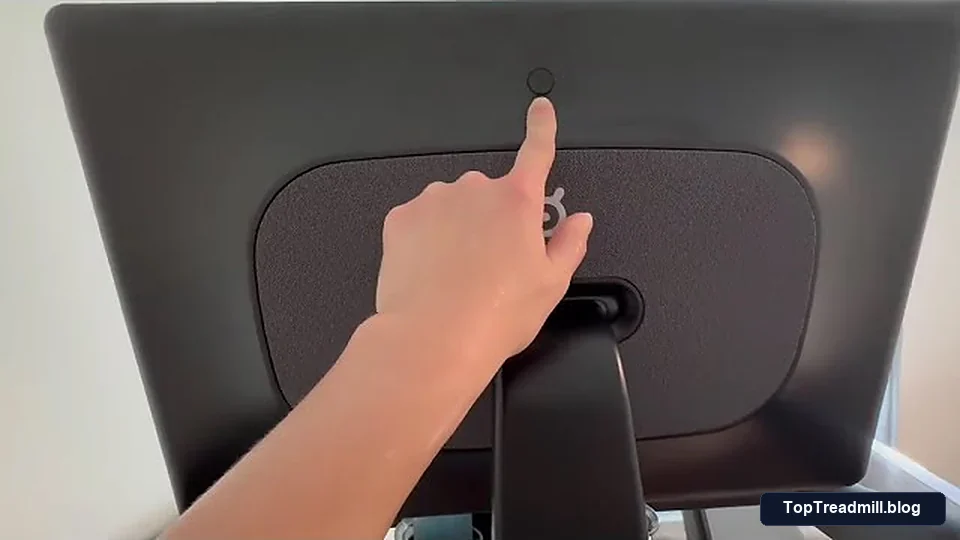
Engineering teams utilized distinct material profiles to achieve their respective goals. Heavy steel components dominate the heavier model, whereas lighter aluminum alloys shape the compact folding alternative.
- Aluminum alloy folding arms versus solid carbon steel uprights
- Auto-fold vertical storage mechanisms compared to stationary frames
- Different deck thickness ratings affecting overall shock absorption
Frame Architecture and Footprint
The structural framework of the Echelon model prioritizes a slim profile designed to minimize spatial intrusion. Its folding architecture allows the entire console upright to collapse flat.
Conversely, the Peloton alternative features a welded steel chassis designed never to fold. This rigidity eliminates any wobble during high-speed sprints but demands permanent floor space allocation.
- Welded steel joints provide zero structural flex under heavy loads
- Slim aluminum rails reduce overall weight for simpler repositioning tasks
Folding Mechanism and Storage
Patented auto-fold technology highlighted in our Echelon Stride 6 review allows the frame to collapse its handlebars and console completely flat for easy storage underneath elevated beds.
The stationary competitor offers zero folding capabilities, meaning users must dedicate a permanent room corner. Transport wheels help with minor shifts, but vertical storage remains entirely impossible.
- Hydraulic piston assistance safely guides the folding process downward
- Fixed upright geometry maximizes stability during aggressive interval sessions
Real-World Performance Comparison
Running dynamics depend heavily on continuous motor output, belt dimensions, and deck cushioning responsiveness. Testing these parameters under load exposes how each machine handles high-intensity interval training sessions.
User weight capacities and maximum speed thresholds further separate casual walking pads from serious running platforms. Biomechanical feedback remains critical for preventing joint strain over extended distances.
- Continuous horsepower ratings dictate sustained high-speed performance limits
- Running surface dimensions influence stride length accommodation during sprinting
- Cushioning deck elastomers absorb impact shock to protect runner joints
Motor Output and Speed Profiles
A brushless motor detailed in our Echelon Stride treadmill review powers the deck, delivering adequate torque for walking and light jogging up to twelve miles per hour.
The Peloton unit houses a robust continuous-duty motor capable of driving its belt up to twelve and a half miles per hour. Torque delivery remains smooth even under heavy footstrikes.
- Continuous horsepower outputs determine long-term motor thermal management
- Rapid acceleration profiles minimize lag during interval training transitions
Incline Mechanics and Ergonomics
Incline adjustments on the Echelon reach up to twelve distinct levels, altering elevation for hill simulations. The elevation motor operates quietly without generating disruptive mechanical whining noises.
Rotational side dials on the Peloton allow micro-adjustments for incline without breaking running form. This intuitive interface design keeps hands securely positioned near the main console.
- Max elevation angles simulate outdoor outdoor hill running resistance effectively
- Dial-based controls prevent accidental speed or grade adjustments mid-stride
Console Technology & Software Ecosystem
Interface design dictates how easily users interact with workout metrics, entertainment options, and instructor-led coaching programs. Modern fitness equipment relies heavily on seamless software integration and connectivity.
Display configurations range from integrated touchscreens with proprietary software ecosystems to minimalist LED consoles designed for external tablet pairing. Each philosophy caters to distinct user preferences.
- Built-in HD touchscreens versus bring-your-own-device tablet holders
- Proprietary subscription software requirements for full machine functionality
- Bluetooth audio streaming and heart rate monitor compatibility standards
Integrated Screens vs BYOD Tablets
The Peloton machine featured in our New Peloton Tread review includes a massive HD touchscreen permanently mounted at optimal eye level for streaming classes with clear fidelity.
Echelon utilizes an open-source approach featuring an integrated device ledge. Users place their own tablets or smartphones on the console and connect via Bluetooth to run various fitness applications.
- Swiveling display mounts allow off-treadmill floor exercises easily
- Device ledges accommodate multiple tablet brands and generational sizes
Subscription Requirements and Class Variety
Unlocking the full software potential of either machine requires an active monthly subscription membership. These digital memberships grant access to extensive libraries of live and on-demand running classes.
Without an active subscription, basic manual metric tracking remains accessible on both units. However, losing access to instructor-led content significantly diminishes the core value proposition.
- Monthly digital fees unlock comprehensive global leaderboards and metrics
- Offline manual modes provide basic time, distance, and calorie data
Maintenance, Efficiency & Longevity
Long-term ownership costs depend on routine maintenance demands, component reliability, and electrical power consumption during operation. Preventive care ensures mechanical longevity across thousands of operating miles.
Cleaning running belts, lubricating decks, and inspecting electrical connections are standard tasks for owners. Ignoring these fundamental maintenance protocols leads to premature belt wear and motor strain.
- Silicone lubrication schedules for running deck friction reduction
- Electrical draw specifications and standby power consumption metrics
- Component warranty coverage periods protecting mechanical investments
Belt Lubrication and Deck Wear
Regular application of silicone lubricant beneath the running belt keeps friction levels exceptionally low. This simple preventive step prevents motor overheating and reduces premature deck scoring.
Both manufacturers outline specific maintenance intervals within their user manuals to guide owners. Adhering strictly to these guidelines ensures optimal belt tracking and smooth rolling performance.
- Multi-ply running belts resist stretching and surface wear effectively
- Periodic tension adjustments keep the walking surface centered properly
Electrical Demands and Standby Power
Standard household electrical circuits easily support the power demands of both running machines. Dedicated fifteen-amp breakers prevent tripping during peak motor acceleration phases and high inclines.
Standby power modes draw minimal electricity when units remain plugged in between workouts. Users wanting maximum energy efficiency often utilize physical wall switches to cut power completely.
- Standard NEMA plugs connect directly to residential wall outlets
- Internal surge protection guards sensitive console circuit boards
Safety Standards & Compliance
Home fitness equipment must adhere to rigorous safety standards to protect users from accidental falls and mechanical entrapment. Incorporating physical safety measures remains a top priority for manufacturers.
Emergency stopping mechanisms, safety lanyards, and child lock features provide essential layers of protection. Understanding these safety systems ensures a secure environment for families sharing living spaces.
- Magnetic safety keys halting belt motion instantly upon detachment
- Clearance zones behind the running deck for safe dismounting
- Digital child lock functions preventing unauthorized belt activation
Emergency Stop Keys and Lanyards
A magnetic safety lanyard clips securely to the user's clothing during every running session. If the runner stumbles or drifts backward, the magnet detaches and cuts motor power instantly.
Resetting the safety key restores electrical continuity to the console control panel. This failsawed mechanism prevents runaway belt hazards during unexpected loss of balance.
- Quick-release clips fasten securely to standard athletic clothing
- Instant motor braking minimizes sliding friction hazards upon activation
Clearance Zones and Child Safety Locks
Maintaining a clear safety zone behind the rear roller prevents accidental trapping of pets or children. Manufacturers recommend leaving several feet of open floor space behind the machine.
Digital PIN codes and physical lockout modes prevent children from starting the belt unsupervised. These security protocols offer vital peace of mind in busy household environments.
- Minimum clearance recommendations ensure safe emergency dismounting paths
- Password protection features lock console controls against unintended use
Which Option Fits Your Setup
Selecting the ideal treadmill requires careful evaluation of available floor space, budget constraints, and training preferences. Every home gym environment presents unique spatial and electrical limitations.
Matching your specific running habits with the correct machine architecture guarantees long-term satisfaction. Assessing these final factors ensures your investment supports your fitness journey effectively.
- Space-saving folding designs for apartments and multi-purpose rooms
- Dedicated studio setups requiring heavy stationary running platforms
- Software ecosystem preferences influencing daily workout motivation levels
Space-Saving Apartment Lifestyles
The Echelon Stride shines brilliantly in compact apartments where dedicated gym rooms do not exist. Its ability to fold completely flat transforms cramped living areas into functional workout zones.
Urban dwellers benefit immensely from lightweight transport wheels and vertical storage options. Stowing the equipment away after morning runs preserves valuable daytime floor space effortlessly.
- Low-profile storage fits underneath most standard raised bed frames
- Lightweight construction simplifies moving the unit across smooth flooring
Dedicated Home Gym Integration
Serious runners building dedicated workout spaces will appreciate the immovable stability detailed in our Peloton Tread Plus review. Its commercial-grade engineering withstands punishing daily mileage without showing structural fatigue.
Investing in a permanent studio setup delivers an authentic club-quality running experience at home. The immersive screen and robust motor support ambitious training goals for years.
- Permanent steel frames provide absolute rigidity during heavy sprints
- Immersive class integration keeps daily workout routines engaging
Frequently Asked Questions
Can the Echelon Stride operate without an active monthly subscription?
Yes, you can operate the treadmill in manual mode without any subscription. Basic metrics like speed, time, and distance display directly on the console.
Does the Peloton Tread require professional assembly upon delivery?
Professional assembly is strongly recommended due to its heavy steel construction and intricate components. Expert technicians ensure proper calibration and structural safety before use.
How does the folding mechanism work on the Echelon Stride model?
The console and handlebars collapse flat automatically using a specialized hydraulic folding system. This unique engineering allows the entire machine to slide under furniture easily.
What maintenance is required to keep the running belt performing smoothly?
You must periodically apply silicone lubricant beneath the belt and check tension alignment. Regular cleaning prevents dust accumulation and reduces motor friction over time.
Can I use my own tablet on the Peloton Tread console?
No, the Peloton features a permanently integrated touchscreen designed exclusively for its software. The Echelon model instead utilizes a versatile bring-your-own-device ledge.